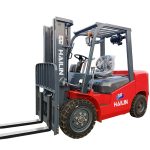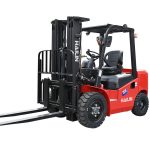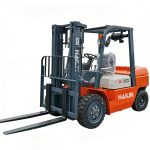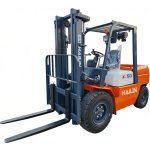


When most people see a forklift moving heavy pallets around a warehouse, they rarely stop and ask a simple question: what do forklifts run on? Yet the answer is surprisingly interesting because modern forklifts use several different power sources, each designed for specific environments, industries, and workloads.
Some forklifts run on electricity. Others use diesel, gasoline, propane, or even hydrogen fuel cells. Picking the wrong fuel type can increase operating costs, reduce productivity, and create safety issues inside your facility. Choosing the right one, on the other hand, can completely transform warehouse efficiency.
The forklift industry itself is changing rapidly. Recent market research shows electric forklifts now dominate global market share, largely because companies are shifting toward cleaner and quieter warehouse operations. The global forklift market was valued at over USD 81 billion in 2025, with electric forklifts leading industry growth.
Why Forklift Fuel Types Matter
Choosing a forklift fuel type is a bit like choosing the engine for a truck. You wouldn’t use a race car engine in a tractor, right? The same logic applies here. Different forklift power systems are designed for completely different working conditions, lifting capacities, and operational goals.
A small indoor warehouse usually prioritizes low noise and zero emissions. That makes electric forklifts the obvious winner. Meanwhile, outdoor construction yards often require machines with massive lifting power and long operating hours, which is where diesel forklifts dominate. Fuel choice impacts everything from maintenance schedules to employee comfort.
The cost factor alone can dramatically affect business profits. A warehouse running multiple forklifts every day might spend thousands annually on fuel, charging infrastructure, repairs, and downtime. Electric forklifts tend to have lower maintenance costs because they contain fewer moving engine parts. Diesel forklifts may offer stronger torque, but fuel expenses and emissions regulations continue to rise globally.
Safety is another major reason fuel type matters. Indoor air quality regulations are becoming stricter in many countries. Exhaust-heavy forklifts operating in confined spaces can create health risks for workers. That’s one reason why warehouses and e-commerce centers are rapidly moving toward electric models.
At the same time, not every operation can rely solely on batteries. Some industries require nonstop operation around the clock, where quick refueling becomes more practical than charging downtime. Understanding the strengths and weaknesses of each power source helps businesses make smarter long-term investments.
Electric Forklifts
Electric forklifts run using rechargeable industrial batteries instead of combustion engines. They are now the fastest-growing forklift category worldwide because businesses want cleaner, quieter, and more efficient operations. According to industry reports, electric forklifts accounted for the largest market share globally in 2025.
What makes electric forklifts so attractive? First, they produce zero tailpipe emissions. That means employees can safely use them indoors without worrying about diesel fumes or carbon monoxide buildup. They also operate much more quietly than internal combustion forklifts, creating a calmer and safer workplace environment.
Electric forklifts are commonly used in:
- Warehouses
- Food storage facilities
- Retail distribution centers
- Pharmaceutical plants
- Manufacturing facilities
Their operation feels smoother too. Acceleration and braking are typically more controlled, reducing operator fatigue during long shifts.
Lead-Acid Battery Forklifts
Traditional electric forklifts usually rely on lead-acid batteries. These batteries have powered warehouses for decades because they are relatively affordable and proven reliable. However, they come with maintenance requirements that some businesses dislike.
Lead-acid batteries need regular watering, ventilation systems, and dedicated charging rooms. Charging itself can take several hours, which often forces companies to keep spare batteries on hand. Imagine running a marathon but needing to stop halfway for a long nap. That’s essentially how older battery systems behave in busy operations.
Still, many businesses continue using lead-acid forklifts because the upfront cost remains lower than newer technologies. For light to medium warehouse work, they remain highly practical.
Lithium-Ion Forklifts
Lithium-ion forklifts are becoming the superstar of the material handling world. Think of them as the smartphone generation of forklifts—faster, smarter, cleaner, and more efficient.
Industry research shows lithium-ion technology is rapidly becoming the dominant electric forklift battery system globally.
Fast Charging Advantages
Lithium-ion forklifts offer several major advantages:
| Feature | Lead-Acid | Lithium-Ion |
|---|---|---|
| Charging Time | 6-8 hours | 1-2 hours |
| Maintenance | High | Very Low |
| Battery Life | Shorter | Longer |
| Energy Efficiency | Moderate | High |
| Opportunity Charging | Limited | Excellent |
One of the biggest benefits is opportunity charging. Operators can recharge during lunch breaks or shift changes without damaging battery life. That dramatically improves productivity in high-demand warehouses.
Lithium-ion forklifts also eliminate battery watering and reduce maintenance costs significantly. While they cost more initially, many companies save money over time through lower operating expenses.
Diesel Forklifts
Diesel forklifts are the heavyweight champions of the forklift industry. If electric forklifts are like quiet office workers, diesel forklifts are the rugged construction crews that never stop moving.
These forklifts use diesel fuel and internal combustion engines to generate strong lifting power and torque. They are commonly used outdoors because diesel exhaust emissions make indoor operation unsafe without proper ventilation.
Diesel forklifts shine in industries like:
- Construction
- Lumber yards
- Ports and shipping terminals
- Heavy manufacturing
- Mining operations
One reason diesel forklifts remain popular is raw strength. They can handle heavier loads more consistently than many electric models. Uneven terrain, steep inclines, mud, and rough surfaces are where diesel forklifts truly excel.
Heavy-Duty Applications
Outdoor worksites demand durability. Diesel forklifts can operate for long hours without significant power drops. Refueling takes only a few minutes, allowing continuous operation with minimal downtime.
Large-capacity forklifts often rely on diesel engines because battery technology still struggles with extreme heavy-duty applications. In industries where lifting several tons repeatedly is standard practice, diesel remains highly competitive.
Fuel Efficiency and Power
Diesel engines provide exceptional torque, which matters when lifting heavy pallets or containers. Operators appreciate the steady power delivery during demanding workloads.
However, diesel forklifts come with trade-offs:
- Higher emissions
- Louder operation
- Increased fuel costs
- More engine maintenance
- Indoor air quality concerns
Governments worldwide are tightening emissions regulations, pushing many companies toward cleaner alternatives. Still, diesel forklifts continue serving industries where extreme lifting performance matters more than environmental concerns.
LPG or Propane Forklifts
LPG forklifts, often called propane forklifts, use liquefied petroleum gas as fuel. These forklifts sit comfortably between electric and diesel models in terms of flexibility.
Many warehouse operators love propane forklifts because they can operate both indoors and outdoors with proper ventilation. They offer faster refueling than electric forklifts while producing fewer emissions than diesel engines.
Think of LPG forklifts as the multitool of material handling equipment. They’re versatile, reliable, and adaptable to many environments.
Why Warehouses Prefer LPG
Propane forklifts are especially common in medium-sized warehouses and logistics operations. They provide consistent power throughout operation, unlike some older battery systems that weaken as charge levels drop.
Benefits include:
- Quick refueling
- Lower emissions than diesel
- Strong lifting capability
- Reliable cold-weather performance
- Lower upfront cost than lithium-ion forklifts
Warehouses that operate multiple shifts often prefer LPG because operators can swap propane tanks quickly instead of waiting for battery charging cycles.
Refueling Convenience
Changing a propane tank takes only minutes. That speed becomes incredibly valuable in busy facilities where downtime equals lost money.
However, propane forklifts still produce emissions, meaning indoor ventilation remains important. Fuel prices can also fluctuate depending on energy markets, affecting long-term operating costs.
Despite the rise of electrification, propane forklifts continue holding a strong position because they balance performance, affordability, and convenience effectively.
Gasoline Forklifts
Gasoline forklifts are less common today than they once were, but they still exist in certain operations. These forklifts use standard gasoline engines similar to cars or trucks.
Years ago, gasoline forklifts were popular because fuel was easy to access and engines were familiar to mechanics. Today, many businesses prefer LPG or diesel because gasoline engines generally produce higher emissions and can cost more to operate.
Still, gasoline forklifts offer some advantages:
- Strong acceleration
- Easy fueling access
- Familiar engine systems
- Reliable outdoor performance
Where Gasoline Forklifts Are Used
Gasoline forklifts are often found in older fleets or smaller businesses that haven’t transitioned to newer technologies yet. They may also appear in outdoor applications where emissions regulations are less strict.
However, their popularity continues to decline as electric forklifts gain momentum worldwide. Modern warehouses increasingly prioritize sustainability, lower noise levels, and reduced operating costs, all areas where gasoline forklifts struggle to compete.
Hydrogen Fuel Cell Forklifts
Hydrogen forklifts sound futuristic, but they already exist in many advanced logistics facilities. Instead of relying on traditional batteries, these forklifts generate electricity through hydrogen fuel cells.
The biggest advantage? Refueling takes only a few minutes, similar to gasoline or propane. Yet they still produce zero harmful emissions because the primary byproduct is water vapor.
That combination is incredibly attractive for high-volume operations.
The Future of Clean Material Handling
Hydrogen forklifts are gaining attention in industries requiring nonstop performance. Large distribution centers sometimes operate forklifts 24 hours a day, making long battery charging times impractical.
Hydrogen systems offer:
- Fast refueling
- Zero emissions
- Long operating times
- Consistent power output
Still, hydrogen infrastructure remains expensive and limited. Installing hydrogen fueling stations requires major investment, which prevents widespread adoption right now.
Industry analysts believe hydrogen will continue growing in specialized sectors, though lithium-ion forklifts currently dominate broader electric forklift adoption trends.
Comparing Forklift Fuel Types
Choosing the right forklift often comes down to balancing performance, cost, emissions, and operational needs. No single fuel type is perfect for every situation.
Cost Comparison Table
| Fuel Type | Upfront Cost | Operating Cost | Maintenance | Emissions | Best Use |
|---|---|---|---|---|---|
| Electric (Lead-Acid) | Moderate | Low | Moderate | Zero | Indoor warehouses |
| Lithium-Ion | High | Very Low | Very Low | Zero | High-efficiency warehouses |
| Diesel | Moderate | High | High | High | Heavy outdoor work |
| LPG/Propane | Moderate | Moderate | Moderate | Medium | Mixed indoor/outdoor |
| Gasoline | Moderate | High | High | High | Older outdoor fleets |
| Hydrogen | Very High | Moderate | Low | Zero | Large 24/7 operations |
Environmental Impact
Environmental regulations are shaping the future of forklifts more than ever before. Companies now face increasing pressure to reduce emissions and improve sustainability.
Electric forklifts clearly lead in this category. Warehouses using battery-powered forklifts benefit from:
- Cleaner indoor air
- Lower carbon emissions
- Reduced noise pollution
- Improved employee comfort
That’s one major reason electric forklifts now dominate global forklift market growth.
How to Choose the Right Forklift Fuel Type
Picking the right forklift isn’t about following trends blindly. It’s about understanding your operation’s real-world needs.
Warehouse Size
Small indoor warehouses often benefit most from electric forklifts because they maximize maneuverability and eliminate exhaust emissions.
Large outdoor facilities handling extremely heavy loads may still require diesel models for their raw power and endurance.
Workload Requirements
How often will the forklift operate?
If your business runs one shift daily, traditional electric forklifts may work perfectly. But if operations run around the clock, downtime becomes critical. In that case, lithium-ion or hydrogen forklifts may offer better productivity.
Maintenance Considerations
Maintenance costs quietly shape long-term profitability. Internal combustion forklifts require oil changes, filters, engine repairs, and fuel system maintenance.
Electric forklifts contain fewer moving parts, reducing service requirements significantly. Over several years, those savings can become substantial.
Modern Trends in Forklift Power Sources
The forklift industry is in the middle of a major transformation. Electrification is no longer just a trend—it’s rapidly becoming the standard.
Recent market reports show electric forklifts now account for the largest share of the global forklift market. Lithium-ion technology, in particular, is growing incredibly fast.
The Rise of Electric Forklifts
Several factors are driving this shift:
- Stricter emissions regulations
- Rising diesel costs
- Expansion of e-commerce warehouses
- Improved battery technology
- Lower maintenance expenses
Experts predict electric forklifts will continue replacing combustion-powered forklifts across many industries during the next decade.
The transition resembles what’s happening in the automotive world. Just as electric cars are reshaping transportation, electric forklifts are reshaping warehouses and logistics operations.
Manufacturers are heavily investing in lithium-ion systems, automation, and smart fleet management technologies. Some facilities are even combining autonomous robotics with electric forklifts for fully optimized warehouse operations.
So, what do forklifts run on? The answer depends entirely on the job they need to perform.
Modern forklifts may run on:
- Electricity
- Lithium-ion batteries
- Lead-acid batteries
- Diesel
- Propane (LPG)
- Gasoline
- Hydrogen fuel cells
Each fuel type offers unique advantages. Electric forklifts dominate indoor warehousing because they are quiet, clean, and efficient. Diesel forklifts continue thriving in rugged outdoor environments where maximum lifting power matters most. LPG forklifts provide flexibility for mixed environments, while hydrogen technology represents a promising future for nonstop industrial operations.
The forklift industry itself is evolving quickly. Electric forklifts are becoming the preferred solution worldwide due to lower emissions, better efficiency, and advancing battery technology. Businesses that understand these fuel options can make smarter investments that improve productivity while reducing long-term operating costs.
FAQs
1. What is the most common fuel for forklifts?
Electric power is now the most common forklift energy source globally, especially in warehouses and logistics centers. Diesel and propane remain popular for outdoor and heavy-duty applications.
2. Are electric forklifts better than diesel forklifts?
Electric forklifts are better for indoor operations because they produce zero emissions and require less maintenance. Diesel forklifts are better for heavy outdoor lifting and rough terrain.
3. How long do forklift batteries last?
Lead-acid forklift batteries usually last around 1,500 charging cycles, while lithium-ion batteries can exceed 3,000 cycles with proper maintenance.
4. Why are lithium-ion forklifts becoming popular?
Lithium-ion forklifts charge faster, require less maintenance, last longer, and improve productivity in multi-shift operations.
5. Can propane forklifts be used indoors?
Yes, propane forklifts can operate indoors if the facility has proper ventilation systems to manage emissions safely.