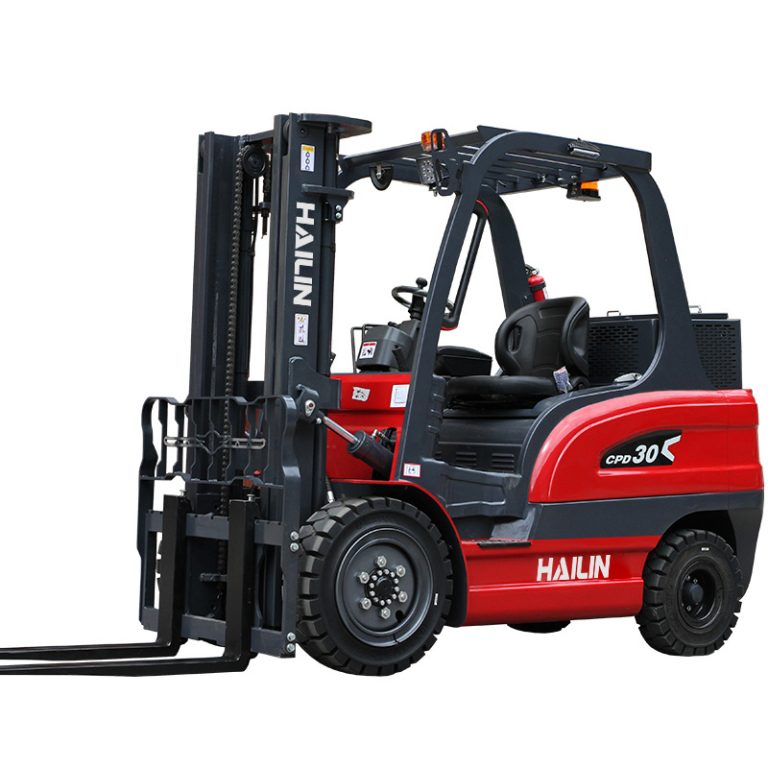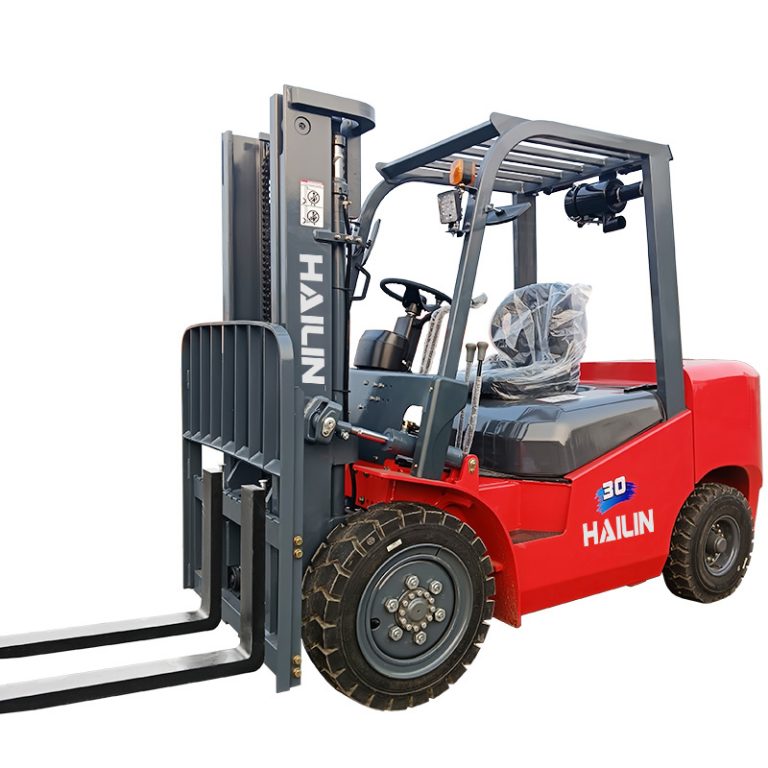


Forklift driving looks simple from a distance. You move pallets, stack products, and transport materials from one point to another. But anyone who has actually operated a forklift knows the reality is much more complicated. One wrong move can damage expensive inventory, destroy warehouse infrastructure, or seriously injure nearby workers. That is exactly why one of the most important questions in material handling is this: when should you drive a forklift in reverse?
The answer is not based on convenience. It is based on visibility, stability, and workplace safety. In many situations, driving a forklift backward is not optional at all. It is actually the safest and legally recommended way to operate the machine. According to OSHA guidelines, forklift operators should travel in reverse whenever the load obstructs forward visibility. OSHA also recommends maintaining a clear view in the direction of travel at all times.
Think about a forklift like carrying a giant refrigerator in your arms. If you cannot see what is in front of you, walking backward becomes safer than blindly moving forward. Forklift operation follows the same principle. Warehouses are filled with blind corners, pedestrians, shelves, and moving equipment. Visibility is everything. Reverse driving gives operators a clearer line of sight in many real-world situations.
Modern warehouses are becoming faster and busier every year. E-commerce growth, high-volume logistics centers, and tighter delivery schedules mean forklift traffic has increased dramatically. That also means the risk of collisions and backover accidents continues to rise if operators are not trained properly. Understanding when to reverse, how to reverse safely, and what OSHA expects from operators is now an essential skill for anyone working with powered industrial trucks.
Understanding Forklift Reverse Driving Basics
Why Reverse Driving Is Common in Warehouses
Many people assume forklifts should mainly drive forward, just like cars. That sounds logical until you realize forklifts are designed differently from standard vehicles. A forklift often carries bulky, oversized, or stacked loads that completely block the operator’s front view. In those moments, moving forward becomes extremely dangerous because the driver cannot clearly see pedestrians, racks, corners, or floor hazards ahead.
That is why reverse driving is incredibly common in warehouses, manufacturing plants, shipping yards, and logistics centers. Operators constantly transport loads that are taller than eye level. Instead of risking a collision, they drive backward while keeping the load trailing behind them. OSHA specifically states that if the load blocks forward visibility, the forklift should travel in reverse to maintain a clear line of sight.
Reverse driving also helps operators maneuver in tight areas. Warehouses are not open highways. They are more like crowded mazes filled with shelving systems, dock doors, pallets, and workers moving in every direction. Forklifts need to make sharp turns and precise movements. Sometimes reversing provides better control and safer positioning when handling materials in confined spaces.
Another reason reverse travel is common is the unique steering system of forklifts. Unlike cars, forklifts steer using their rear wheels. This creates a swinging motion at the back of the truck during turns. Skilled operators understand how this affects movement and use reverse driving strategically to position loads safely. Experienced warehouse operators often spend nearly half their workday reversing because it simply provides better visibility and control under certain conditions.
How Forklift Design Affects Visibility
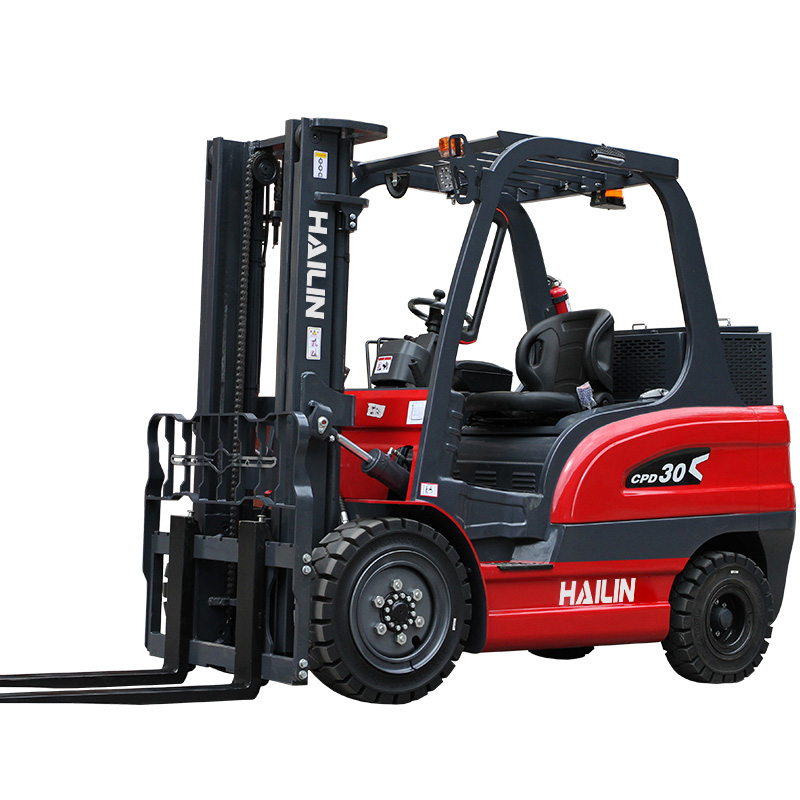
Forklifts were built for lifting power, not perfect visibility. The mast, carriage, hydraulic system, and load itself can all create blind spots. Even when the forklift is empty, the mast structure partially blocks the operator’s forward view. Add a large pallet or oversized load, and visibility becomes dramatically worse.
Research published by NIST highlights that visibility limitations are one of the major causes of forklift accidents involving pedestrians. Blind spots exist on the sides, rear, and front of many powered industrial trucks. This becomes especially dangerous in busy warehouse environments where workers may unexpectedly cross travel paths.
Operators sometimes believe mirrors or backup cameras solve the problem completely. They help, but they are not perfect. Mirrors can distort depth perception, and cameras still leave blind zones. OSHA guidance emphasizes physically looking in the direction of travel rather than relying solely on equipment.
Forklift visibility problems become even more serious with:
- High stacked loads
- Long materials like pipes or lumber
- Narrow aisles
- Poor lighting
- Congested warehouse traffic
- Outdoor yards with uneven surfaces
This is why reverse driving is such a critical part of forklift safety training. Operators must constantly adapt based on visibility conditions. The safest direction is always the one that allows the clearest possible view of travel hazards.
The Main Situations Where You Should Drive in Reverse
When the Load Blocks Forward Visibility
This is the number one reason forklift operators drive in reverse. If the load blocks your ability to see ahead clearly, reverse travel becomes necessary. OSHA regulations are very direct about this issue. Operators must always look in the direction of travel and maintain a clear view.
Imagine transporting a fully loaded pallet stacked six feet high. If you attempt to drive forward, you are essentially gambling that nothing is in front of you. That could mean striking a pedestrian, crashing into shelving, or falling off a loading dock. Reverse driving eliminates much of that risk because the operator can see where the forklift is going.
This situation happens constantly in industries such as:
- Warehousing and distribution
- Manufacturing
- Construction material handling
- Food and beverage storage
- Freight terminals
- Retail logistics
Some operators try leaning sideways to peek around loads while driving forward. That is extremely risky and exhausting over long shifts. Driving in reverse is safer, more stable, and far more compliant with workplace safety standards.
Driving Down Ramps and Inclines
Ramps and inclines introduce another important reason to reverse a forklift. OSHA guidance states that loaded forklifts should keep the load upgrade when traveling on inclines.
Here is what that means in practical terms:
- Going uphill with a load: drive forward
- Going downhill with a load: drive in reverse
Why? Stability. Forklifts carry most of their weight in the rear when unloaded. Once a load is lifted, the center of gravity changes significantly. Driving downhill forward with a heavy load can shift weight dangerously and increase the risk of tipping.
Think of it like carrying a heavy backpack while walking down steep stairs. Leaning too far forward makes you unstable. Forklift physics work in a similar way. Keeping the load upgrade maintains balance and reduces the risk of losing control.
Ramp accidents are among the most serious forklift incidents because they often involve tipovers, dropped loads, or crushing injuries. Proper reverse operation on inclines is not just recommended — it is critical for survival in many industrial environments.
Working in Narrow Warehouse Aisles
Modern warehouses are designed to maximize storage density. That means aisles are becoming narrower while inventory volume keeps increasing. Forklift operators frequently reverse in these areas because it provides better maneuverability and safer positioning.
In tight aisles, visibility changes every second. Workers may emerge suddenly from cross aisles, pallet jacks may appear unexpectedly, and shelving corners can hide obstacles. Reverse travel allows operators to maintain better awareness during difficult maneuvers.
OSHA also advises operators to slow down and sound the horn at intersections and blind corners. In narrow warehouse layouts, this becomes even more important because reaction time is limited.
Maneuvering in Congested Work Areas
Busy warehouses often resemble controlled chaos. Forklifts, workers, trucks, conveyors, and inventory systems all move simultaneously. In these environments, reverse driving becomes a strategic safety tool.
Operators may reverse when:
- Dock areas are crowded
- Trucks are loading simultaneously
- Pedestrian traffic is heavy
- Space is limited
- Materials are oversized
The key issue is visibility and reaction time. Reverse travel can help operators avoid dangerous blind spots created by loads or facility layouts.
OSHA Rules About Driving a Forklift in Reverse
OSHA Visibility Requirements
OSHA’s powered industrial truck standards focus heavily on visibility. Operators must maintain a clear view and travel in the direction where they can safely see hazards.
Some of OSHA’s most important reverse-driving principles include:
| OSHA Guidance | Purpose |
|---|---|
| Look in direction of travel | Prevent collisions |
| Keep a clear view | Reduce blind spot accidents |
| Use horn at intersections | Warn pedestrians |
| Slow down in congested areas | Improve reaction time |
| Use spotters when needed | Increase visibility |
These rules exist because forklift accidents are often catastrophic. A forklift can weigh several tons even before adding cargo. Pedestrians simply cannot compete against that amount of mass and momentum.
Horn, Spotters, and Safety Procedures
Reversing safely involves much more than shifting gears. Operators must communicate movement clearly. OSHA recommends using horns, warning lights, spotters, and mirrors when visibility becomes limited.
Spotters are especially valuable in:
- Outdoor yards
- Shipping docks
- Construction sites
- Areas with blind intersections
- Facilities with heavy foot traffic
Many warehouses now use flashing strobe lights, blue pedestrian warning lights, and backup alarms to reduce backover risks. Technology helps, but operator awareness still matters most.
Common Mistakes Operators Make While Reversing
Relying Only on Mirrors
Mirrors are useful tools, but they are not magic. Many experienced forklift operators warn against relying only on mirrors while reversing. Community discussions among operators frequently mention close calls caused by blind spots that mirrors failed to reveal.
Physical head movement remains essential. Operators should actively turn and look behind the forklift rather than assuming mirrors show everything.
Driving Too Fast in Reverse
One of the biggest forklift mistakes is excessive speed. Some operators treat forklifts like racing machines, especially in high-pressure distribution centers. That becomes extremely dangerous when reversing.
Stopping distance increases dramatically with heavy loads. Rear steering also makes forklifts unpredictable during sharp turns. Fast reversing can lead to:
- Tipovers
- Rack collisions
- Product damage
- Pedestrian injuries
OSHA specifically advises operators to maintain safe speeds at all times.
Ignoring Blind Spots
Blind spots are silent hazards. A pedestrian standing behind a reversing forklift may disappear completely from view. Tragically, real-world accidents continue to happen because operators fail to check blind areas thoroughly.
Forklift operators should never assume a path is clear simply because it was clear seconds earlier.
How to Reverse a Forklift Safely
Step-by-Step Safe Reversing Process
Check Surroundings Before Moving
Before shifting into reverse, stop completely and inspect the surrounding area. Look for pedestrians, obstacles, loose materials, or uneven surfaces. A few seconds of awareness can prevent a life-changing accident.
Use the Horn Correctly
Sound the horn before reversing and when approaching intersections or blind corners. Many warehouse workers depend on audible warnings to recognize nearby forklift movement. OSHA specifically recommends horn use in obstructed areas.
Turn Your Head and Look Behind
This is one of the most important forklift habits. Cameras and mirrors help, but direct visual confirmation matters most. Operators should continuously look in the direction of travel while reversing.
Keep Forks Low While Traveling
Forks should remain low during movement to improve stability and visibility. Elevated forks increase tipping risks and create additional hazards for nearby workers.
Reverse Driving Risks and Accident Statistics
Pedestrian Accidents in Warehouses
Forklift-pedestrian accidents remain a serious industrial safety issue worldwide. Poor visibility and reversing incidents are major contributors. OSHA and safety researchers consistently identify blind spots as a leading hazard.
Many near misses are never officially reported. Recent warehouse safety discussions show that facilities often underestimate how frequently dangerous close calls occur until monitoring systems are introduced.
Property Damage and Product Loss
Unsafe reverse driving does not only injure people. It also destroys inventory, racks, loading docks, and equipment. A single forklift collision can cost thousands of dollars in repairs and downtime.
Warehouses increasingly invest in:
- Proximity sensors
- Camera systems
- AI safety monitoring
- Operator training
- Traffic management systems
These technologies help reduce accidents, but they cannot replace proper operator judgment.
Best Practices for Forklift Operators
Training and Certification
Forklift certification is not just paperwork. Proper training teaches operators:
- Visibility awareness
- Reverse travel procedures
- Load stability
- Ramp operation
- Pedestrian safety
- Hazard recognition
Companies that rush training often pay for it later through accidents, lawsuits, and damaged equipment.
Using Cameras and Technology
Modern forklifts may include:
- Backup cameras
- Blue warning lights
- Proximity alarms
- Sensor systems
- Rear visibility aids
These technologies improve awareness, but they should support safe habits rather than replace them.
Communication Between Workers and Operators
The safest warehouses create strong communication systems between pedestrians and equipment operators. Workers should understand forklift travel paths, warning signals, and restricted zones.
Simple habits save lives:
- Make eye contact with operators
- Avoid walking behind forklifts
- Stay out of blind spots
- Respect marked travel lanes
Forklift safety is a shared responsibility.
Knowing when to drive a forklift in reverse is one of the most important skills any operator can develop. Reverse driving is necessary whenever forward visibility becomes blocked, when traveling down ramps with loads, when maneuvering through narrow aisles, or when operating in congested work environments. OSHA guidelines consistently emphasize maintaining a clear view in the direction of travel because visibility is the foundation of forklift safety.
Forklifts are powerful machines capable of moving massive loads efficiently, but they can also become extremely dangerous when operators ignore blind spots, drive too fast, or rely too heavily on mirrors and cameras. Safe reversing requires awareness, communication, proper training, and constant attention to surroundings.
The best forklift operators are not the fastest operators. They are the safest and most controlled. In busy warehouses where people, products, and machines constantly interact, mastering reverse driving procedures can prevent injuries, save lives, and protect valuable inventory every single day.
FAQs
1. Is it safer to drive a forklift forward or backward?
It depends on visibility. If the load blocks the operator’s forward view, driving backward is safer because it provides a clearer line of sight.
2. Does OSHA require forklifts to drive in reverse with large loads?
Yes. OSHA states operators should maintain a clear view in the direction of travel. If the load obstructs visibility, the forklift should travel in reverse.
3. Should forklift operators always use the horn when reversing?
Operators should use the horn when reversing near pedestrians, blind corners, intersections, or congested areas to improve awareness and reduce collision risks.
4. Why do forklifts steer from the rear?
Rear-wheel steering allows forklifts to maneuver in tight warehouse spaces more effectively. However, it also creates tail swing hazards during turns.
5. Can backup cameras replace turning your head while reversing?
No. Cameras and mirrors are helpful safety aids, but operators should still physically look in the direction of travel to properly identify blind spots and hazards