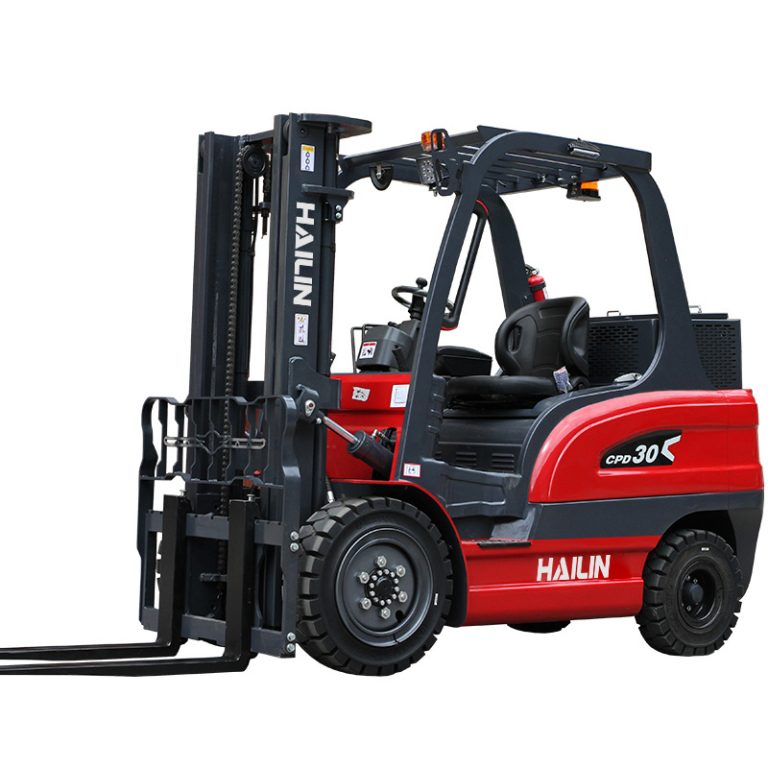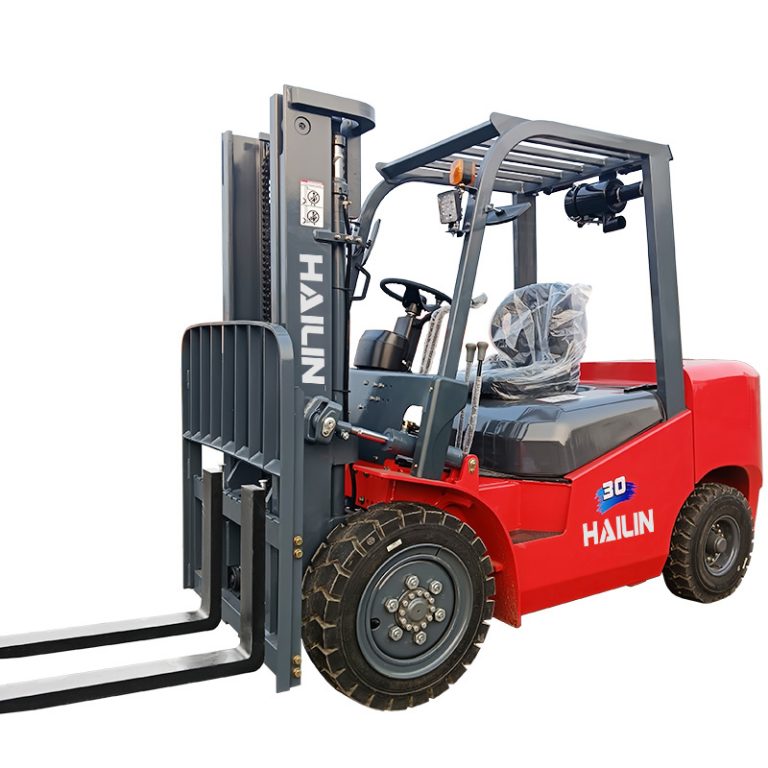


Why Forklift Weight Matters
When people first see a forklift, they often underestimate how heavy the machine actually is. A forklift may look compact and easy to maneuver inside a warehouse, but in reality, these industrial machines can weigh more than a full-sized pickup truck. According to recent industry data, the average forklift typically weighs between 3,000 and 20,000 pounds depending on the type, lifting capacity, and power source. Standard warehouse forklifts commonly fall in the 7,000 to 9,000-pound range.
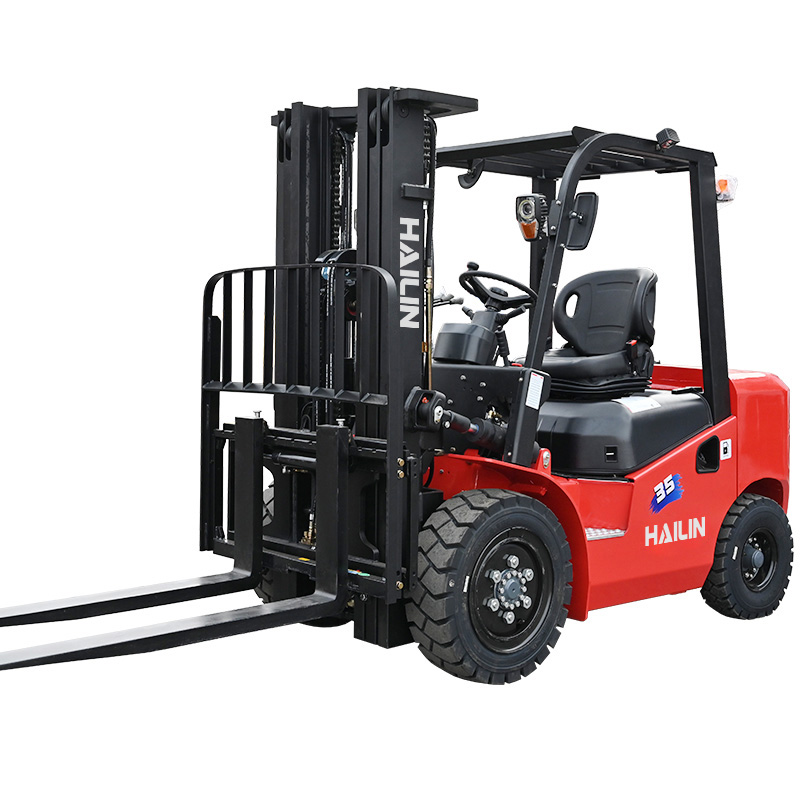
Understanding forklift weight is not just a technical detail hidden inside an equipment manual. It directly affects safety, transportation, warehouse floor limits, and operational efficiency. Think of a forklift like a seesaw at a playground. The heavier one side becomes, the more balance matters. Forklifts use their own weight as a counterbalance to safely lift heavy materials without tipping forward. Without enough mass behind the forks, the machine would become unstable almost immediately.Popular warehouse equipment brands such as Hailin forklift models are designed with carefully balanced counterweights to ensure safe lifting performance in demanding industrial environments.
Safety becomes especially important in warehouses with elevated floors or mezzanines. A forklift that weighs 9,000 pounds while carrying a 5,000-pound pallet suddenly creates a combined load of 14,000 pounds moving across the floor. That is not something a weak warehouse surface can safely handle. Operators who ignore these numbers often learn expensive lessons through cracked concrete, damaged flooring, or dangerous tip-over accidents.
Transportation is another major factor. Many people assume a regular utility trailer can carry a forklift. Unfortunately, that assumption leads to broken axles and unsafe towing situations. Even smaller forklifts require properly rated trailers, loading ramps, and transport permits in some regions. Forklift weight influences almost every part of material handling operations, from daily warehouse movement to long-distance equipment shipping.
Safety and Stability Concerns
The primary reason forklifts are so heavy comes down to balance. A forklift lifting several thousand pounds needs enough counterweight at the rear to avoid tipping forward. This design principle is what gives forklifts their signature bulky backside. In fact, many forklifts weigh nearly twice as much as their rated lifting capacity.
A common 5,000-pound capacity forklift usually weighs around 8,000 to 9,000 pounds. That extra mass is intentional. It creates stability during lifting operations and keeps the center of gravity controlled. Without that weight, even a moderate load could flip the machine dangerously forward.
Transportation and Shipping Requirements
Forklift transportation requires more planning than many buyers expect. Since forklifts are dense machines with concentrated weight, trailer selection becomes critical. A lightweight trailer may physically fit the forklift dimensions while still being completely incapable of safely carrying the load.
Shipping companies also calculate freight costs based heavily on equipment weight. Heavy-duty forklifts may require flatbed trailers, cranes, or oversized load permits depending on local regulations.
Average Forklift Weight by Type
Forklifts come in many different forms, and each category has its own weight range. Electric warehouse forklifts are usually lighter than diesel industrial forklifts, while rough terrain models are significantly heavier due to reinforced frames and larger tires. Recent industry guides show that forklift weights vary dramatically depending on their intended application.
The type of forklift you choose affects not only lifting power but also operating costs, maneuverability, floor impact, and transport logistics. Choosing the wrong weight class can create operational inefficiencies that slowly drain productivity over time.
| Forklift Type | Typical Weight Range | Common Use |
|---|---|---|
| Electric Forklift | 3,000–12,000 lbs | Indoor warehouses |
| Diesel Forklift | 8,000–36,000 lbs | Outdoor industrial work |
| LPG Forklift | 7,000–12,000 lbs | Mixed indoor/outdoor |
| Rough Terrain Forklift | 12,000–30,000 lbs | Construction sites |
| Heavy-Duty Forklift | 30,000–100,000+ lbs | Ports and steel plants |
Electric Forklift Weight
Electric forklifts are extremely popular in warehouses because they produce zero emissions and operate quietly. Many people assume electric forklifts are lightweight machines, but the opposite is often true. Their industrial battery packs can weigh between 1,500 and 3,000 pounds alone.
A standard electric forklift usually weighs between 6,000 and 8,000 pounds. Three-wheel electric forklifts designed for tight warehouse aisles may sit closer to the lower end, while larger lithium battery forklifts can exceed 10,000 pounds.
The battery acts as both a power source and a counterweight. It is essentially the heart and backbone of the machine at the same time. Removing or changing the battery improperly can severely affect stability and safety.Many modern electric warehouse machines, including some Hailin forklift models, use heavy industrial battery systems that significantly contribute to the overall machine weight while also improving lifting stability and operational efficiency.
Diesel Forklift Weight
Diesel forklifts are built for raw strength and outdoor durability. These machines are commonly found in lumber yards, ports, steel facilities, and construction environments where heavy lifting is part of everyday operations.
Most diesel forklifts weigh between 8,000 and 36,000 pounds depending on their lifting capacity. Heavy-duty container handlers and industrial port forklifts can exceed 100,000 pounds.
Their engines, reinforced steel frames, and large pneumatic tires add substantial weight. Diesel forklifts also generally feature stronger mast systems capable of lifting massive loads at higher elevations.
LPG and Gas Forklift Weight
LPG forklifts strike a balance between electric and diesel models. They are versatile, easier to refuel quickly, and suitable for both indoor and outdoor use when ventilation is adequate.
Most LPG forklifts weigh around 7,000 to 12,000 pounds. The propane tank itself adds additional weight, especially when fully filled.
Rough Terrain Forklift Weight
Rough terrain forklifts are like monster trucks compared to warehouse forklifts. They are designed for mud, gravel, uneven construction sites, and rugged outdoor conditions.
These machines often weigh between 12,000 and 30,000 pounds because of their reinforced suspensions, oversized tires, and heavy-duty chassis. Telehandlers and extended-reach models may weigh even more.
Forklift Weight by Capacity
One of the easiest ways to estimate forklift weight is by examining its lifting capacity. Generally examining its lifting capacity. Generally speaking, the greater the load capacity, the heavier the forklift itself becomes. Industry experts commonly state that forklifts weigh approximateapacity. citeturn0search2turn0search25
That relationship exists because lifting heavier loads safely requires larger counterweights, stronger frames, and more powerful hydraulic systems.
3,000 lb Capacity Forklifts
Small warehouse forklifts with 3,000-pound lifting capacities usually weigh between 4,000 and 6,000 pounds. These compact units are common in retail warehouses and narrow aisle storage systems.
Their smaller size makes them easier to maneuver in tight spaces while minimizing floor pressure.
5,000 lb Capacity Forklifts
The 5,000-pound forklift is probably the most common forklift size in the world. These machines are workhorses in warehouses, logistics centers, and manufacturing facilities.
A standard 5,000-pound forklift typic0 pounds. citeturn0search2turn0search7
This surprises many first-time buyers because the forklift itself often weighs much more than the actual load it lifts.
10,000 lb Capacity Forklifts
Once forklifts move into the 10,000-pound lifting category, their overall mass increases dramatically. These machines may weigh between 15,000 and 20,000 pounds or more.
They require stronger warehouse floors, wider aisles, and specialized transport equipment.
Heavy-Duty Industrial Forklifts
Industrial forklifts used in ports and steel manufacturing are massive machines. Some exceed 100,000 pounds and can lift shipping containers weighing tens of thousands of pounds.
These are specialized pieces of equipment that operate almost like mobile cranes.
What Makes Forklifts So Heavy
Forklift weight is not accidental engineering. Every pound serves a purpose. From counterweights to batteries to reinforced steel frames, forklifts are intentionally built to remain stable under extreme lifting conditions.
Imagine trying to carry a heavy backpack while leaning forward. Your body naturally shifts backward to compensate. Forklifts work exactly the same way. The machine must constantly balance the forward load with rear mass.
Counterweights Explained
The counterweight is the single biggest reason forklifts weigh so much. Located at the rear of the machine, this massive block offsets the load carried on the forks.
Without it, even a moderate pallet could tip the forklift forward instantly. Counterweights are typically made from cast iron or steel and are carefully engineered to maintain proper center-of-gravity balance.
Battery and Engine Weight
Electric forklift batteries are extremely heavy. Lead-acid batteries alone may weigh more than a compact car engine. Lithium-ion systems are lighter but still substantial.
Diesel and LPG forklifts replace battery mass with engines, transmissions, cooling systems, and fuel tanks.
Electric vs Diesel Forklift Weight Comparison
The debate between electric and diesel forklifts often focuses on emissions and fuel efficiency, but weight also plays a major role. Each machine type distributes weight differently depending on its intended environment.
Electric forklifts usually have lower centers of gravity because of their battery placement. Diesel forklifts tend to carry more weight in the engine compartment and chassis structure.
| Feature | Electric Forklift | Diesel Forklift |
|---|---|---|
| Average Weight | 6,000–12,000 lbs | 8,000–36,000 lbs |
| Power Source | Battery | Diesel Engine |
| Best Environment | Indoor | Outdoor |
| Noise Level | Quiet | Loud |
| Maintenance | Lower | Higher |
| Emissions | Zero | High |
Indoor Warehouse Applications
Electric forklifts dominate warehouse environments because they are quiet, clean, and maneuverable. Their weight is distributed efficiently for smooth indoor flooring.
Lithium-ion battery technology is also reducing maintenance requirements significantly.
Outdoor Industrial Applications
Diesel forklifts thrive outdoors where lifting power matters more than emissions. Their heavier structures handle rough conditions better and support larger lifting capacities.
How to Find the Exact Weight of a Forklift
Guessing forklift weight is never a good idea. Exact specifications matter for transportation, floor safety, and operational planning.
The easiest way to identify forklift weight is by checking the machine’s data plate. This information plate usually contains service weight, lifting capacity, numbers.
Reading the Data Plate
Most forklifts include a manufacturer data plate near the operator compartment. This plate acts like the machine’s identification card.
It contains crucial details including:
- Service weight
- Rated lifting capacity
- Load center
- Mast height
- Tire specifications
Manufacturer Specifications
Manufacturer websites and equipment manuals provide precise operating weights for each forklift model.
This becomes especially important when purchasing used forklifts because attachments and battery changes can alter total machine weight.
Floor Capacity and Warehouse Safety
Warehouse floors are not indestructible. Forklifts create concentrated pressure points because their massive weight is distributed across relatively small tire contact areas.
A heavily loaded forklift can damage weak concrete floors, mezzanines, or elevated platforms surprisingly quickly.
Preventing Floor Damage
Warehouse managers should always verify floor load ratings before introducing heavier forklifts into the facility.
Ignoring floor limits can result in:
- Cracked concrete
- Structural failure
- Unsafe working conditions
- Expensive repairs
Load Distribution Tips
Operators can reduce floor stress by maintaining proper tire inflation, avoiding sudden impacts, and spreading loads evenly whenever possible.
Routine floor inspections also help identify damage before it becomes dangerous.
Forklift Transportation and Shipping
Transporting a forklift is often harder than buying one. Many small business owners discover too late that their trailer cannot legally or safely handle the machine’s weight.
Forklift transport requires attention to total combined weight, axle ratings, tie-down procedures, and local road regulations.
Trailer Weight Requirements
A 9,000-pound forklift transported on a 4,000-pound trailer suddenly creates a combined 13,000-pound towing load before attachments or fuel are added.
That requires properly rated towing vehicles and braking systems.
Loading and Unloading Safety
Forklift loading accidents happen frequently during transport preparation. Improper ramp angles, unsecured machines, or overloaded trailers create major risks.
Using professional transport services is often the safest option for larger forklifts.
Common Mistakes People Make About Forklift Weight
One of the most common misconceptions is confusing forklift lifting capacity with forklift machine weight. A forklift rated to lift 5,000 pounds may acts itself.
Another mistake involves assuming all forklifts have similar weights. Electric warehouse forklifts, diesel industrial forklifts, and rough terrain telehandlers operate in completely different weight classes.
Buyers also frequently ignore battery weight changes. Replacing a lead-acid battery with a lighter lithium system can alter machine balance if not engineered properly.
Finally, many operators overlook how attachments impact weight distribution. Clamp systems, rotators, and extended forks all change the forklift’s center of gravity and operating characteristics.
Conclusion
Forklift weight is far more important than most people realize. These machines are engineered to balance massive loads safely, and that requires substantial mass, reinforced structures, and carefully designed counterweights. Depending on the type and lifting capacity, forklifts may weigh anywhere from 3,000 pounds to well over 100,000 pounds.
For most warehouse operations, standard forklifts usually weigh between 7,000 and 9,000 pounds. Electric forklifts gain weight from industrial batteries, while diesel forklifts rely on heavy engines and reinforced frames. Rough terrain and industrial port forklifts move into entirely different categories where machine weight becomes enormous.
Understanding forklift weight helps businesses avoid costly mistakes involving transportation, warehouse flooring, trailer selection, and operator safety. It is not simply a specification hidden in a manual. It directly affects every part of material handling operations.
The smartest forklift buyers always check service weight, floor limits, trailer ratings, and operational requirements before making a purchase. A forklift may look compact from the outside, but underneath that steel body sits a carefully engineered balance machine designed to move enormous loads safely every single day.
FAQs
1. How much does a standard warehouse forklift weigh?
Most standard warehouse forklifts weigh between 7,000 and 9,000 pounds depending onr source. citeturn0search0turn0search2
2. Why are forklifts heavier than the loads they lift?
Forklifts use heavy counterweights to prevent tipping forward while lifting materials. The machine often weighs 1.5 to 2 times its lifting capacity.
3. How much does an electric forklift battery weigh?
Electric forklift batteries usually weigh between 1,500 and 3,000 poun voltage.
4. What is the heaviest type of forklift?
Heavy-duty industrial forklifts used at ports and steel facilities can exceed 100,000 pounds.
5. Where can I find my forklift’s exact weight?
You can find exact forklift weight on the manufacturer data plate, owner’s manual, or official specification sheet.