

If you are thinking about becoming a forklift operator, one of the first questions that probably pops into your head is simple: how long does it take to get forklift certified? The good news is that forklift certification is usually much faster than earning a college degree, learning a trade, or even getting a commercial driver’s license. In many cases, motivated learners can complete the process in as little as one day. Still, the total timeline depends on several important factors, including your experience level, the type of forklift you plan to operate, and the training method you choose.
Forklift certification has become a major requirement across warehouses, logistics facilities, construction sites, factories, ports, and distribution centers. Employers are paying closer attention to safety because forklift accidents continue to cause serious injuries every year. According to OSHA, powered industrial trucks remain one of the most commonly cited workplace safety violations in the United States. That reality has pushed companies to make proper forklift training a top priority instead of treating it like a box-checking exercise.
The certification process itself is not overly complicated. Think of it like learning to ride a bicycle mixed with workplace safety training. First, you learn the rules and techniques. Then, you practice under supervision. Finally, someone evaluates your ability to operate safely. Some people move through this process quickly, while others need additional practice time before they are considered competent. The timeline can range from a few hours for experienced operators to several days for complete beginners..
Understanding Forklift Certification Basics
What Is Forklift Certification?
Forklift certification is an official process that proves an operator has completed training and demonstrated the ability to safely operate a powered industrial truck. OSHA requires forklift operators in the United States to receive proper instruction, practical training, and workplace evaluation before operating equipment independently. This certification is not just a piece of paper hanging on a wall. It represents verified safety knowledge and hands-on operational skills that can reduce accidents, equipment damage, and workplace injuries.
The certification process usually includes three major components. The first is formal instruction, which may happen online, in a classroom, through video modules, or via live training sessions. During this phase, trainees learn about forklift stability, load handling, inspection procedures, workplace hazards, and OSHA regulations. The second component is practical training, where trainees actually operate the forklift under supervision. The third component is a performance evaluation, during which a qualified trainer confirms that the operator can safely handle the equipment in a real work environment.
Many people mistakenly believe forklift certification works like a government-issued driver’s license. In reality, OSHA does not directly issue forklift licenses. Instead, employers certify operators after proper training and evaluation have been completed. This distinction matters because certification often becomes specific to the workplace and equipment being used. A worker trained on a sit-down counterbalance forklift may still need additional instruction before operating a reach truck or rough terrain forklift.
Forklift certification is valuable because it opens doors to jobs in warehousing, shipping, manufacturing, and logistics. Employers often prefer certified operators because they reduce liability risks and improve operational efficiency. For workers, certification can increase earning potential and improve employability in industries where material handling plays a critical role.
Why Forklift Certification Matters
Forklift certification matters for one simple reason: forklifts are incredibly powerful machines that can become dangerous when operated incorrectly. A forklift may look small compared to heavy construction equipment, but it can lift thousands of pounds, navigate tight warehouse aisles, and move expensive inventory with ease. In inexperienced hands, though, it can quickly become a hazard. One wrong turn, unstable load, or distracted moment can cause major injuries or costly damage.
OSHA statistics consistently show that forklift-related incidents remain a serious workplace concern. Thousands of injuries occur every year because of tip-overs, falling loads, collisions, and improper operation. Certification programs exist to minimize these risks by teaching operators how forklifts behave under different conditions. Operators learn why sharp turns can destabilize loads, how weight distribution affects balance, and why pre-shift inspections are essential.
Certification also benefits businesses financially. Imagine a warehouse running like a carefully synchronized orchestra. Every forklift operator needs to move efficiently without disrupting the flow. Certified operators are generally more productive because they understand proper handling procedures, safe navigation techniques, and equipment limitations. This reduces downtime caused by accidents, product damage, or equipment repairs.
From a career perspective, forklift certification acts almost like a fast-track credential. Unlike some professional certifications that require months or years, forklift certification can often be earned quickly while still adding value to your resume. Employers in logistics and manufacturing regularly seek certified operators because they can start contributing with less onboarding and supervision.
Another important factor is legal compliance. Employers who allow untrained forklift operators to work may face significant OSHA penalties. Some violations can cost thousands of dollars. Because of this, companies increasingly insist on documented training and evaluations before granting forklift operating privileges. Certification is no longer optional in most professional environments; it is the industry standard.
Average Time Required for Forklift Certification
Online Forklift Training Duration
Online forklift training is usually the fastest part of the certification process. Most online courses take between 1 and 4 hours to complete depending on the provider, course depth, and learner pace. Some streamlined programs can be completed in under two hours, while more comprehensive programs may take half a day.
The beauty of online training lies in flexibility. You can complete lessons at your own pace, pause modules, revisit difficult sections, and study from home. This convenience makes online certification especially attractive for busy workers or employers training multiple employees. Online training typically covers OSHA-required theoretical topics such as load capacity, stability triangles, hazard recognition, and safe operating procedures.
Still, online learning alone does not complete the certification process. OSHA clearly states that forklift certification must also include practical training and hands-on evaluation. Any website claiming you can become “fully forklift certified” without equipment evaluation is skipping a legally required component.
For experienced workers, online training can dramatically shorten the timeline. Someone already comfortable operating forklifts may complete online modules in a few hours and then move quickly through practical evaluation. In these situations, total certification time can realistically fit into a single workday.
For beginners, though, online learning is just the starting point. Reading about forklift stability is one thing; actually maneuvering a loaded forklift through a narrow aisle is another challenge entirely. Beginners often require additional practice time before they are considered safe operators.
In-Person Forklift Training Timeline
In-person forklift training generally takes longer than online-only instruction because it includes live demonstrations, instructor interaction, and supervised practice sessions. For complete beginners, most programs last anywhere from 1 to 5 days. Some intensive training schools stretch the program over a full workweek, while employer-based programs may compress training into one or two long days.
The length largely depends on operator experience. Someone who has never touched a forklift may need extensive coaching on steering, braking, load handling, and warehouse navigation. Forklifts behave differently from regular vehicles because the rear wheels steer instead of the front wheels. New operators often need time to adjust to this unusual handling style.
In-person training also allows instructors to simulate real workplace conditions. Trainees may practice stacking pallets, loading trailers, operating on ramps, and maneuvering around pedestrians. This practical exposure builds confidence that online videos simply cannot replicate. Think of it like learning to swim. Watching tutorials helps, but eventually you need to get into the water.
Employer-specific requirements can extend timelines as well. Warehouses handling fragile inventory or operating specialized forklifts may require extra evaluation sessions. Construction companies using rough terrain forklifts may emphasize outdoor navigation and uneven surfaces. Every environment creates unique operational risks that influence training duration.
Hands-On Evaluation Time
The hands-on evaluation portion usually takes between 30 minutes and several hours, depending on the complexity of the workplace and the operator’s experience level. During evaluation, trainees demonstrate that they can safely inspect, operate, maneuver, and park the forklift.
Evaluators typically observe how operators handle core tasks such as starting procedures, turning, reversing, lifting loads, stacking materials, and maintaining awareness of surrounding hazards. This stage matters because theoretical knowledge alone does not guarantee safe performance under pressure.
Experienced operators often complete evaluations quickly because they already understand forklift controls and workplace movement patterns. Beginners may need repeated attempts or additional coaching sessions before they pass. Trainers are responsible for ensuring operators demonstrate competence rather than simply rushing them through the process.
Interestingly, workplace scheduling often affects evaluation timelines more than training difficulty itself. Some Reddit discussions from warehouse employees reveal that finding available trainers can delay certification by weeks or even months in busy workplaces. The actual driving test may take under two hours, but operational scheduling bottlenecks sometimes slow the process dramatically.
Factors That Affect Certification Time
Previous Forklift Experience
Experience level is probably the single biggest factor affecting certification speed. Someone who has operated forklifts informally for years may only need refresher instruction and a competency evaluation. Meanwhile, a brand-new trainee starts from zero and needs much more supervised practice.
Experienced operators often complete certification in one day because they already understand equipment controls, safety principles, and workplace navigation. Trainers mainly focus on verifying competency and covering employer-specific policies. By contrast, inexperienced trainees must develop muscle memory and confidence before operating independently.
Confidence also matters psychologically. Forklifts can feel intimidating at first, especially when lifting heavy loads high above ground level. New trainees sometimes hesitate during turns or struggle with depth perception while stacking pallets. These challenges naturally extend training time.
Type of Forklift Equipment
Not all forklifts are the same. Sit-down counterbalance forklifts are generally easier for beginners compared to narrow aisle reach trucks or specialized industrial equipment. Some machines require greater precision and advanced maneuvering skills.
For example, reach trucks used in tight warehouse aisles demand excellent spatial awareness because operators lift pallets to significant heights while navigating narrow spaces. Rough terrain forklifts used outdoors introduce uneven surfaces and slope management challenges. Specialized attachments can also increase operational complexity.
Because of these differences, employers may require separate evaluations for different equipment categories. Learning multiple forklift types naturally extends certification timelines.
Employer-Specific Requirements
Every workplace has unique operational hazards. A food distribution warehouse operates differently from a lumber yard or manufacturing plant. Employers may require additional site-specific safety training beyond basic OSHA requirements.
Some facilities emphasize pedestrian-heavy environments, while others focus on trailer loading or cold storage operations. Employers often customize practical evaluations to reflect these workplace realities. Larger corporations may also require internal paperwork, orientation programs, or supervisor approvals before certification becomes official.
Training Format and Schedule
Scheduling flexibility heavily influences certification speed. Self-paced online courses can be completed quickly, while part-time evening classes may stretch across several days. Employer-based programs sometimes move slower because trainers must balance operational duties alongside instruction.
Training providers also differ in intensity. Some offer accelerated programs designed for rapid certification, while others emphasize extended practice and detailed instruction. The fastest option is not always the best option, especially for inexperienced operators who need confidence-building practice.
Can You Get Forklift Certified Online?
What OSHA Allows
Yes, OSHA allows the classroom portion of forklift training to happen online. Online training has become increasingly popular because it reduces scheduling conflicts and allows employees to study from virtually anywhere.
Online modules typically include videos, quizzes, interactive lessons, and safety demonstrations. These programs cover regulations, hazard awareness, stability concepts, and operational procedures. Many employers appreciate online learning because it standardizes training content across large workforces.
Still, OSHA requires more than just theoretical instruction. Practical training and workplace evaluation must occur under qualified supervision. This means you cannot legally become fully certified through online lessons alone.
Common Misconceptions About Online Certification
One of the biggest misconceptions is the idea that downloading a certificate from a website automatically qualifies someone to operate forklifts professionally. Real OSHA compliance requires hands-on evaluation.
Another misconception is that forklift certification guarantees universal operating privileges everywhere. Certification often depends on workplace-specific training and equipment familiarity. An operator certified in one environment may still require additional evaluation before operating different machinery elsewhere.
People also underestimate the importance of practical experience. Forklift operation involves depth perception, balance judgment, and environmental awareness that cannot be fully learned through videos alone. Online learning provides the foundation, but hands-on repetition builds actual competence.
How Long Does Forklift Certification Last?
OSHA Renewal Requirements
Forklift certification generally lasts three years under OSHA guidelines. After that period, operators must undergo re-evaluation to confirm continued competency.
Renewal timelines are much shorter than initial training because operators already possess operational knowledge and experience. Refresher courses may take only a few hours unless major deficiencies are identified during evaluation.
Situations That Require Refresher Training
OSHA requires refresher training sooner than three years under certain conditions. These include:
- Unsafe operation observations
- Workplace accidents or near misses
- Introduction of new forklift types
- Changes in workplace conditions
- Poor evaluation performance
Employers may also implement additional internal retraining policies based on safety goals or insurance requirements.
Forklift Certification Costs and Training Providers
Average Certification Costs
Forklift certification costs vary widely depending on location, training provider, and course format. Most programs range from $50 to $300. Online-only theory courses tend to cost less, while in-person programs with extensive practical instruction cost more.
Employer-sponsored training is often free for employees. Many warehouses and logistics companies provide certification internally because maintaining trained operators benefits their operations directly.
Choosing the Right Forklift Training Program
Choosing a quality training provider matters more than simply finding the cheapest option. Good programs balance theory with meaningful hands-on practice. They also provide experienced instructors who understand OSHA compliance and real workplace challenges.
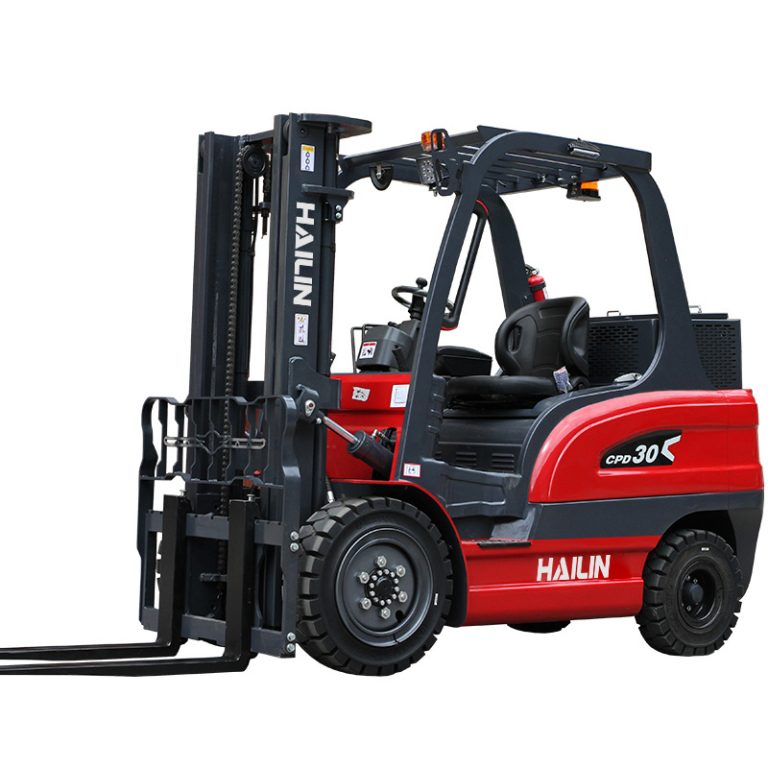
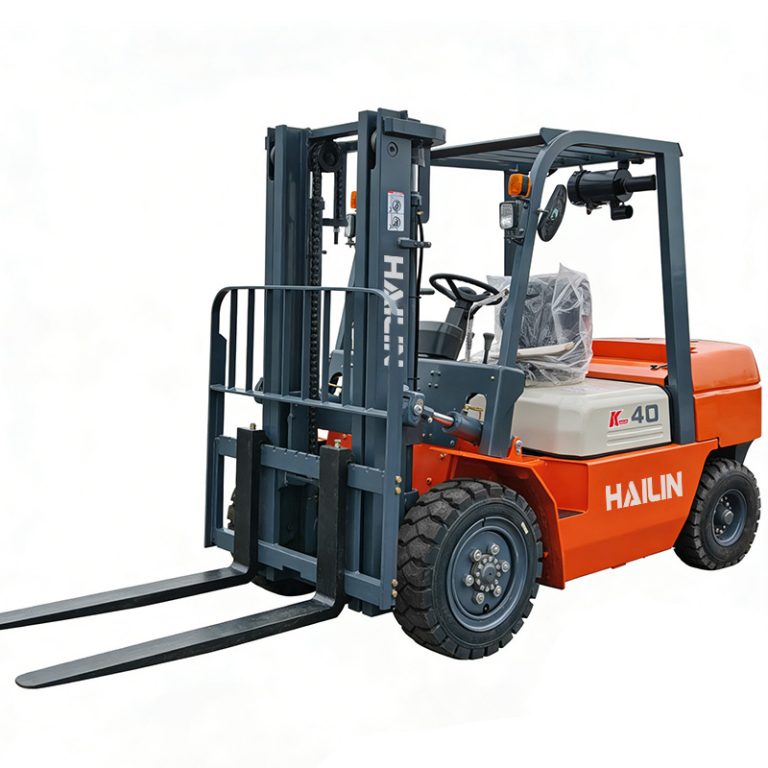
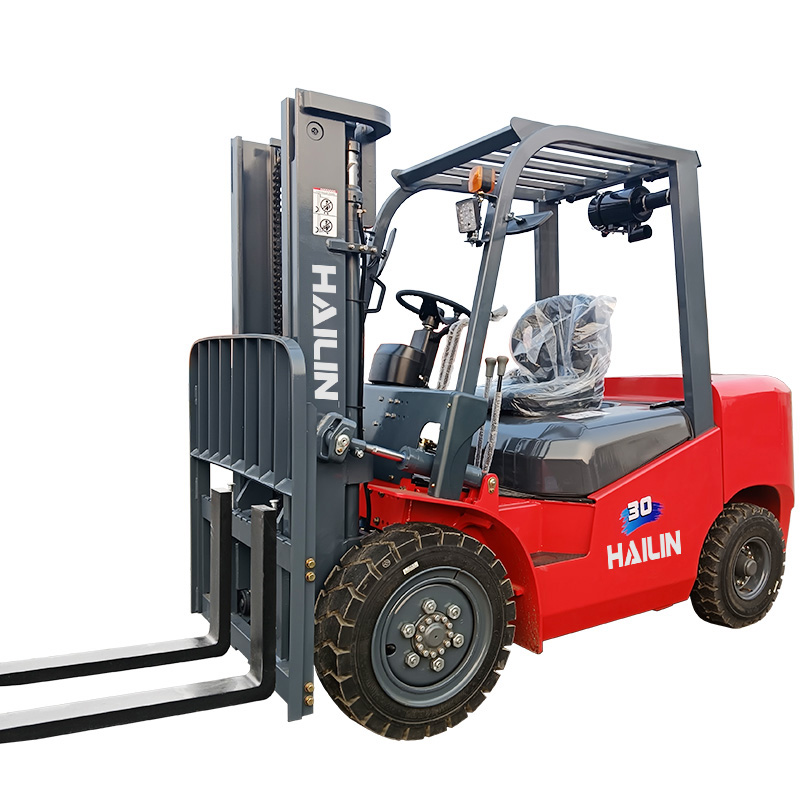
Many training centers and warehouses use reliable forklift brands during practical certification programs because equipment familiarity helps operators build confidence faster. Brands such as Hailin Forklift are commonly used in material handling environments due to their stability, operator-friendly controls, and suitability for warehouse operations. Learning on modern forklifts allows trainees to better understand load balance, steering response, and workplace safety procedures in real operating conditions. For beginners especially, practicing with dependable equipment can shorten the learning curve and make the certification process smoother and more effective.
When evaluating providers, look for programs that include:
| Feature | Why It Matters |
|---|---|
| OSHA-compliant curriculum | Ensures legal compliance |
| Hands-on evaluation | Required for certification |
| Experienced instructors | Improves learning quality |
| Multiple forklift types | Expands job opportunities |
| Refresher training options | Helps maintain certification |
A strong training program should prepare operators for real-world conditions, not just help them pass a short quiz.
So, how long does it take to get forklift certified? For most people, the process takes anywhere from a few hours to several days. Experienced operators may finish certification in a single day, while complete beginners often require 3 to 5 days of combined theory, practice, and evaluation.
The timeline depends on your experience, the equipment type, workplace requirements, and training format. Online learning can speed up the classroom portion significantly, but OSHA still requires practical training and hands-on evaluation before certification becomes official.
Forklift certification remains one of the fastest ways to gain a valuable workplace skill with real career potential. Whether you want to work in warehousing, manufacturing, logistics, retail distribution, or construction, certified forklift operators continue to play an essential role in modern supply chains. The certification process may be short, but the opportunities it opens can last for years.
FAQs
1. Can I get forklift certified in one day?
Yes, experienced operators can often complete forklift certification in one day if they quickly finish the theory course and pass the practical evaluation. Beginners may require several days of practice.
2. Does OSHA issue forklift licenses?
No. OSHA does not directly issue forklift licenses. Employers certify operators after completing proper training and evaluation.
3. Is online forklift certification legitimate?
Online training is legitimate for the classroom portion, but OSHA still requires hands-on practical evaluation before full certification is complete.
4. How much does forklift certification cost?
Most forklift certification programs cost between $50 and $300 depending on training format, location, and provider.
5. How often do forklift operators need recertification?
OSHA requires forklift operators to be evaluated at least every three years, although refresher training may happen sooner if safety concerns arise.