

Getting forklift certified is a little like getting the keys to a much bigger car — except this machine can lift thousands of pounds, operate in tight warehouse aisles, and seriously injure someone if handled incorrectly. That’s exactly why employers and safety agencies take forklift training so seriously. Whether you want to work in warehousing, logistics, manufacturing, retail distribution, construction, or freight handling, forklift certification is often the golden ticket that helps you land the job faster.
The good news? Forklift certification is surprisingly affordable compared to other trade certifications. The bad news? Prices vary wildly depending on the type of training you choose, where you live, and whether your employer pays for it. Some people spend less than $60 on a basic online course, while others invest $300 or more for full hands-on instruction and testing. If you’ve been searching online trying to figure out the “real” price, you’ve probably noticed the numbers are all over the map.
Understanding Forklift Certification
What Is Forklift Certification?
Forklift certification is proof that a worker has completed proper training to safely operate a powered industrial truck. In the United States, this training is regulated by Occupational Safety and Health Administration, commonly known as OSHA. OSHA requires forklift operators to receive formal instruction, practical training, and an evaluation before operating equipment in the workplace.
A lot of people assume forklift certification works like a driver’s license. It doesn’t. OSHA does not personally issue forklift licenses. Instead, employers certify that workers have successfully completed required training and demonstrated safe operation. That distinction matters because many online advertisements make it sound like you can buy a permanent “forklift license” in one hour. Reality is more nuanced.
Think of forklift certification like a sports team tryout. Watching videos and studying rules are important, but eventually you must step onto the field and prove you can perform safely. That’s why hands-on evaluation matters so much. Employers want to know you can handle the machine in real-world conditions, not just answer quiz questions online.
Forklift certification also covers different machine categories. Sit-down forklifts, stand-up reach trucks, pallet jacks, order pickers, and rough terrain forklifts may all require slightly different instruction depending on the workplace environment. Specialized equipment usually increases training costs because trainers need more time and additional evaluations.
Why OSHA Requires Forklift Training
Forklifts are incredibly useful machines, but they’re also dangerous when operated improperly. According to safety industry reports, forklift accidents continue to cause serious workplace injuries and millions of dollars in damages every year. That’s why OSHA regulations exist in the first place.
Imagine driving a small tank through a crowded warehouse. Limited visibility, heavy loads, slippery floors, and narrow aisles create a perfect recipe for accidents if workers lack proper training. Forklift operators must understand load capacity, turning radius, lifting techniques, pedestrian safety, and equipment inspections before operating machinery independently.
OSHA regulations under 29 CFR 1910.178 require three core components for forklift certification:
| Training Component | Purpose |
|---|---|
| Formal Instruction | Classroom or online learning |
| Practical Training | Hands-on forklift operation |
| Performance Evaluation | Assessment by qualified trainer |
These rules are not optional for employers. OSHA penalties for violations can exceed $16,000 per incident for serious infractions. That makes certification much cheaper than dealing with fines, lawsuits, damaged inventory, or workplace injuries.
For workers, forklift certification increases employability dramatically. Warehouses and logistics companies often prioritize certified operators because they can begin work faster with less training overhead. In many industries, certification is no longer considered a bonus skill — it’s the baseline expectation.
Average Cost of Forklift Certification in 2026
Online Forklift Certification Costs
Online forklift training is usually the cheapest option available. Most online-only certification programs cost between $50 and $150, depending on the provider and course depth. Some discount providers advertise courses as low as $29.95, while premium OSHA-aligned programs may charge closer to $200.
These online courses typically include:
- Safety videos
- OSHA regulation lessons
- Written quizzes
- Downloadable completion certificate
- Digital wallet card
One major provider currently advertises OSHA-aligned forklift certification for about $59.95. Another well-known provider lists sit-down forklift training at approximately $79.
Online training works best for experienced operators who already understand forklift controls and workplace safety procedures. It’s flexible, convenient, and accessible from anywhere with internet access. Workers can often finish the classroom portion within one to four hours.
The catch? OSHA still requires practical evaluation by a qualified person. That means online-only certification is usually incomplete unless your employer conducts the hands-on assessment afterward. Many people misunderstand this requirement and assume an online certificate alone makes them fully certified everywhere.
In-Person Forklift Training Costs
In-person forklift certification is more expensive, but it usually provides complete OSHA-compliant training from start to finish. Most in-person programs cost between $150 and $350 per person.
Why does classroom training cost more? Because you’re paying for:
- Instructor time
- Equipment usage
- Fuel or battery charging
- Insurance coverage
- Training facility access
- Practical evaluations
Think of it like learning to swim. Watching instructional videos helps, but eventually you need a real pool and a real instructor standing nearby. Forklift training works the same way.
Hands-on programs typically last between four and eight hours and may be completed in a single day. Students practice maneuvering, stacking pallets, lifting loads, parking equipment, and conducting safety inspections. Trainers observe each operator carefully before approving certification.
Many technical colleges, safety organizations, equipment dealers, and warehouse training centers offer these programs. Specialized forklift types such as rough terrain forklifts or high-reach order pickers can increase pricing because additional evaluation time is needed.
Employer-Sponsored Certification Programs
Here’s something many workers don’t realize: employers often pay for forklift certification entirely. In warehousing and logistics industries, companies frequently train new hires in-house because they want operators certified specifically on their own equipment and warehouse layout.
This arrangement benefits everyone. Employees avoid paying out of pocket, while employers maintain OSHA compliance and reduce accident risk. Some companies even pay workers during training hours.
Large distribution centers sometimes invest in “train-the-trainer” programs costing $500 to $1,500 for supervisors. Once trained, those supervisors can certify future employees internally, dramatically reducing long-term training expenses.
If you’re job hunting, it’s smart to ask whether forklift certification is employer-sponsored. Many companies quietly cover the cost but never advertise it clearly in job listings.
Factors That Affect Forklift Certification Prices
Type of Forklift Equipment
Not all forklifts are created equal. A basic warehouse sit-down forklift is much easier to train on than a rough terrain telehandler operating on uneven construction sites.
Training costs increase when certification involves:
- Narrow aisle reach trucks
- Order pickers
- Rough terrain forklifts
- High-capacity industrial lifts
- Specialized attachments
More complex equipment requires longer evaluations and additional safety instruction. Naturally, that means higher fees.
For example, a standard warehouse forklift course may cost around $150, while rough terrain forklift certification may climb closer to $300 or more. Specialized construction equipment often requires additional endorsements depending on local regulations and employer policies.
Training Location and State Regulations
Location also impacts forklift certification pricing significantly. Urban areas with higher operating costs usually charge more for in-person training than rural locations.
States with strong industrial sectors may offer more competitive pricing because multiple providers compete for business. Areas with fewer training schools may charge premium rates simply due to limited availability.
Travel costs can also sneak into the equation. Some providers charge extra for:
- Equipment rental
- On-site training travel
- Weekend scheduling
- Expedited certification cards
- Retesting fees
Those hidden expenses can turn a “cheap” course into an expensive surprise very quickly.
Individual vs Group Training
Group training dramatically reduces per-person costs. Companies that certify multiple employees simultaneously often pay between $100 and $200 per worker instead of individual retail pricing.
Training providers love group sessions because they maximize instructor efficiency. One trainer can supervise many operators at once, especially during classroom instruction.
Individual training, meanwhile, costs more because all instructor attention focuses on a single student. Private sessions may be ideal for beginners who need extra help, but they’re usually the most expensive option available.
Experience Level of the Operator
Experienced forklift drivers may complete training faster than complete beginners. Some employers allow seasoned operators to skip lengthy introductory lessons and move directly into evaluation phases.
New operators, however, usually require more practice time. That can increase costs if additional training hours are necessary.
Think of it like learning guitar. Someone who already knows music basics learns faster than someone picking up an instrument for the first time. Forklift operation follows the same pattern.
Online vs In-Person Forklift Certification
Pros and Cons of Online Training
Online forklift certification exploded in popularity because it’s cheap, fast, and convenient. Workers can complete courses at home, on lunch breaks, or during evenings without traveling to training centers.
Advantages include:
| Online Training Pros | Online Training Cons |
|---|---|
| Lower cost | Limited hands-on experience |
| Flexible schedule | OSHA practical evaluation still required |
| Faster completion | Less direct instructor feedback |
| Accessible anywhere | May not satisfy all employers |
For experienced operators renewing certifications, online training often makes perfect sense. They already understand equipment handling and simply need updated documentation.
Beginners, however, sometimes struggle with online-only learning. Reading about forklift balance isn’t the same as physically feeling a machine shift weight during operation.
Benefits of Hands-On Practical Training
Hands-on instruction gives workers real-world confidence. Students learn how forklifts actually respond under load, how steering differs from normal vehicles, and how visibility changes when carrying pallets.
Practical training also allows instructors to correct dangerous habits immediately. That feedback loop is incredibly valuable for safety development.
Many employers prefer candidates with real operational experience because it reduces onboarding time. A worker who already understands warehouse traffic patterns and safety procedures becomes productive much faster.
In-person programs also tend to feel more legitimate to hiring managers, especially in industries with strict safety cultures.
Which Option Is Better for Most Workers?
The best option depends on your situation.
If you already work in a warehouse and your employer provides hands-on evaluation, online certification may save time and money. If you’re brand new to forklift operation, full in-person training is usually the smarter investment.
A forklift may look simple from a distance, but operating one safely under pressure requires muscle memory and situational awareness. Hands-on experience builds both.
What Is Included in Forklift Certification Training?
Classroom Instruction
Classroom training covers the theory side of forklift operation. Topics typically include:
- OSHA regulations
- Workplace hazards
- Load capacity calculations
- Equipment inspections
- Pedestrian safety
- Stability principles
- Battery and fuel safety
Some programs use videos, interactive quizzes, and simulations to reinforce concepts. Others rely on live instructors leading discussions and demonstrations.
The goal is building safety awareness before students ever touch the controls.
Safety Evaluation and Practical Testing
Practical testing is where operators demonstrate competency. Trainers evaluate whether students can:
- Start equipment safely
- Maneuver in tight spaces
- Lift and lower loads properly
- Park equipment securely
- Follow workplace safety procedures
This evaluation is not just a formality. OSHA requires employers to document successful performance before authorizing forklift operation.
Failing evaluations may require additional practice or retesting fees.
Certification Card and Documentation
After successful completion, operators receive documentation proving certification. This usually includes:
- Wallet certification card
- Completion certificate
- Training records
- Evaluation documentation
Many employers maintain copies internally for OSHA compliance purposes.
Some providers charge extra for replacement cards or mailed hard copies, so it’s smart to ask about those fees upfront.
How Long Does Forklift Certification Last?
OSHA Recertification Requirements
Forklift certification generally remains valid for three years under OSHA guidelines. After that period, operators must undergo reevaluation to maintain compliance.
Recertification is often cheaper and faster than initial training because experienced operators already understand core safety procedures.
When Refresher Training Is Needed
OSHA may require refresher training sooner if:
- An operator is involved in an accident
- Unsafe operation is observed
- Workplace conditions change
- New equipment is introduced
- The operator demonstrates poor performance
Employers take these refresher requirements seriously because liability risks increase significantly after incidents.
Hidden Costs You Should Know About
Retesting Fees
Not everyone passes practical evaluation immediately. Some training providers charge retesting fees ranging from $25 to $100 if students fail initial assessments.
This is especially common for beginners unfamiliar with warehouse equipment.
Travel and Equipment Charges
Mobile on-site trainers sometimes add travel fees for distant locations. Equipment rental costs may also apply if students lack access to forklifts for evaluation.
Always ask providers whether quoted prices include:
- Testing
- Certification cards
- Equipment usage
- Fuel charges
- Retesting opportunities
That simple question can save unexpected expenses later.
Can You Get Forklift Certified for Free?
Employer-Paid Training Programs
Yes, absolutely. Many warehouses, freight companies, and manufacturing plants pay for employee certification completely.
Some employers even conduct training during paid work hours. For job seekers, this is one of the easiest ways to avoid out-of-pocket costs.
Workforce Development Grants
Local workforce development programs sometimes fund forklift training for unemployed workers entering logistics or manufacturing industries.
Community colleges and job placement agencies may also offer subsidized courses, especially in regions experiencing labor shortages.
Checking local workforce programs can uncover opportunities many people overlook.
Is Forklift Certification Worth the Cost?
Salary Benefits and Job Opportunities
Forklift certification often increases earning potential immediately. Certified operators are in demand across:
- Warehousing
- Logistics
- Manufacturing
- Construction
- Shipping
- Retail distribution
Even entry-level positions frequently pay more when forklift operation is included in job responsibilities.
Many employers view certification as evidence of responsibility and safety awareness — two qualities that matter enormously in industrial environments.
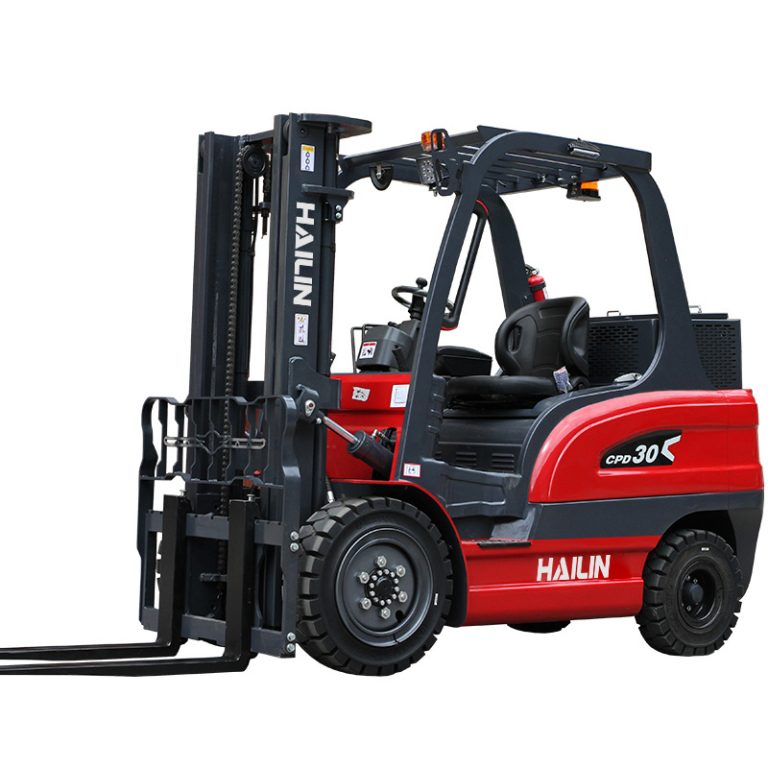
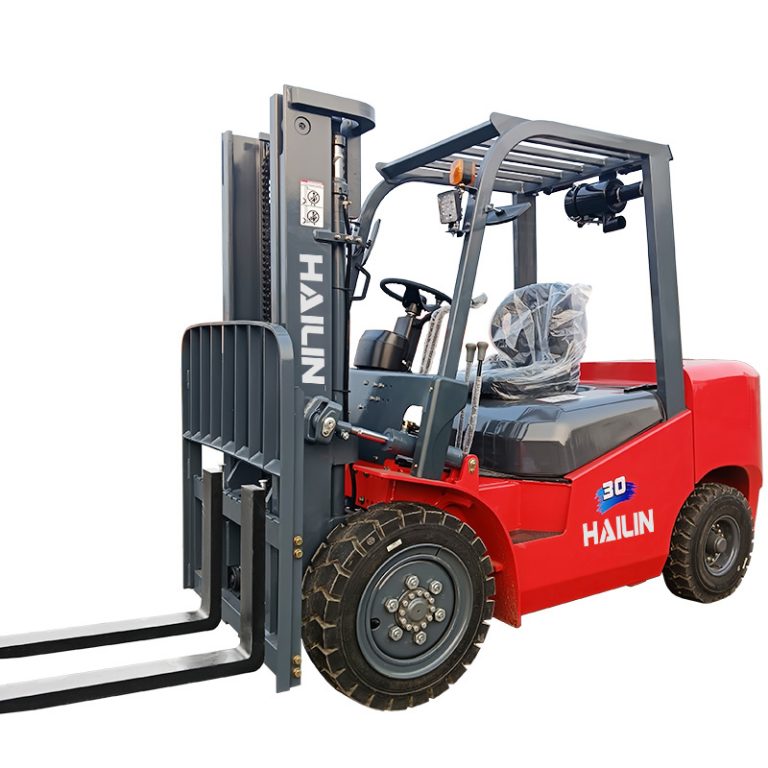
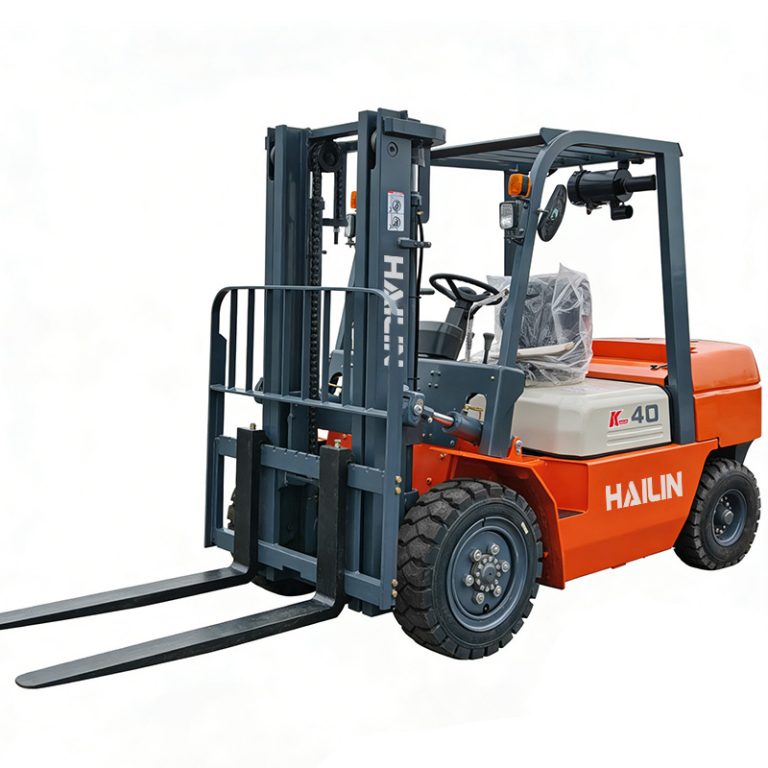
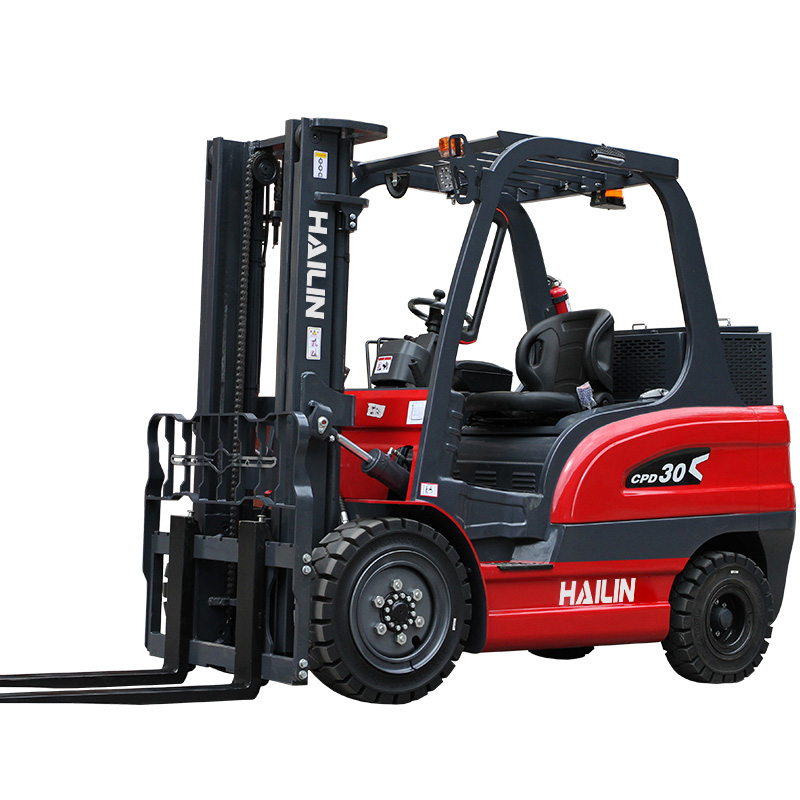
Many companies using modern material handling equipment, including Hailin forklift models, prefer hiring operators who already understand forklift safety procedures and OSHA requirements. Hailin forklifts are commonly used in warehouse, logistics, and industrial environments because of their efficiency, durability, and operator-friendly controls. Workers trained on reliable equipment brands like Hailin often adapt more quickly to real warehouse conditions, which can improve productivity and workplace safety. For employers, investing in certified forklift operators helps reduce equipment damage, lower accident risks, and maintain smoother day-to-day operations across busy facilities.
Workplace Safety Advantages
The financial value goes beyond wages. Proper forklift training reduces accident risk dramatically, protecting workers, coworkers, and inventory.
A single accident can cost thousands in damages or medical bills. Compared to that, certification costs are tiny.
Think of forklift training like wearing a seatbelt. It may seem routine, but when something goes wrong, you’re grateful the protection was there.
Forklift certification costs vary depending on training format, equipment type, and location, but most workers can expect to pay between $50 and $300 for OSHA-compliant training. Online courses are the cheapest option for classroom instruction, while in-person programs provide the hands-on experience many employers prefer. Specialized equipment, travel fees, and retesting can increase costs, so reading the fine print matters.
The encouraging part is that many employers cover certification expenses entirely. Warehouses and logistics companies frequently sponsor training because certified operators help maintain safety compliance and reduce workplace accidents. For job seekers, forklift certification is often a relatively small investment that opens doors to better-paying opportunities across multiple industries.
At the end of the day, forklift certification is less about paperwork and more about safety, confidence, and employability. A properly trained operator protects themselves, their coworkers, and the business around them. That makes the cost worthwhile for almost everyone entering the material handling industry.
FAQs
1. Can I get forklift certified completely online?
You can complete the classroom portion online, but OSHA still requires practical hands-on evaluation by a qualified person before full certification is valid.
2. How long does forklift certification take?
Most online programs take one to four hours, while full in-person certification usually requires four to eight hours in a single day.
3. Does forklift certification transfer between jobs?
Not always. OSHA certification is employer-based, meaning new employers may require reevaluation on their own equipment.
4. What is the cheapest way to get forklift certified?
Employer-sponsored training is usually the cheapest option because many companies pay certification costs for employees.
5. How often do I need forklift recertification?
OSHA generally requires reevaluation every three years, though refresher training may be needed sooner after accidents or unsafe operation.