

Operating a forklift might look simple from a distance. You see someone driving through a warehouse, lifting pallets, stacking products, and moving materials like it’s second nature. But behind that smooth movement is a machine powerful enough to cause serious injuries or even fatalities when handled incorrectly. That’s exactly why age restrictions, safety rules, and certification requirements exist.
Many people searching for forklift jobs ask the same question: How old must you be to operate a forklift legally? The answer seems straightforward at first, but there are several important details most people miss. Different industries, workplace regulations, training standards, and even agricultural exemptions can affect what’s legally allowed.
According to the latest guidance from the Occupational Safety and Health Administration (OSHA), federal law prohibits anyone under 18 years old from operating a forklift in non-agricultural workplaces.
Before jumping into certification courses or applying for warehouse jobs, it’s essential to understand the full picture. Let’s break it all down step by step.
Understanding Forklift Age Requirements
The minimum age requirement for forklift operation isn’t just some random number lawmakers picked out of thin air. It exists because forklifts are classified as powered industrial trucks, and these machines can be incredibly dangerous in untrained hands. Imagine trying to maneuver a several-ton machine carrying thousands of pounds while navigating tight warehouse aisles, pedestrians, ramps, and blind corners. One mistake can trigger a chain reaction of injuries, damaged inventory, and costly shutdowns.
Forklifts are responsible for thousands of workplace injuries every year in the United States. OSHA consistently emphasizes the importance of operator competence because forklift accidents often involve overturning vehicles, crushed workers, falling loads, or collisions. These are not minor incidents like bumping a shopping cart in a parking lot. Forklift accidents can permanently alter lives within seconds.
Federal regulations recognize that younger workers may lack the maturity, judgment, and experience needed to safely operate heavy industrial equipment. That’s why the law draws a hard line at 18 years old for most forklift jobs. The restriction doesn’t mean younger workers are incapable of learning. It simply reflects the higher risks involved when operating hazardous machinery in fast-paced industrial environments.
The law also places responsibility on employers. Companies cannot simply hand someone forklift keys and hope for the best. Businesses are legally required to ensure operators are trained, evaluated, and certified properly before they ever move a pallet. OSHA clearly states that even adults over 18 cannot legally operate forklifts without proper training and evaluation.
Why Forklifts Are Considered Hazardous Equipment
Forklifts combine several dangerous elements into one machine. They’re heavy, powerful, fast-moving, and often used in crowded environments. Their rear-wheel steering system makes them behave differently from standard vehicles, which can surprise inexperienced operators. Loads can block visibility, elevated pallets can destabilize the machine, and uneven surfaces increase rollover risks.
Think of a forklift like a mechanical bull mixed with a battering ram. It may look controlled when operated by professionals, but without proper skill, it becomes unpredictable quickly. Even experienced operators require regular evaluations because bad habits can develop over time.
Federal Laws Governing Forklift Operators
The primary federal standards come from OSHA and the Fair Labor Standards Act (FLSA). OSHA’s Powered Industrial Truck Standard requires employers to train and evaluate forklift operators. Meanwhile, child labor laws under the FLSA prohibit workers under 18 from operating forklifts in non-agricultural employment.
Minimum Age to Operate a Forklift in the United States
The legal minimum age to operate a forklift in the United States is 18 years old in most non-agricultural workplaces. This rule applies across warehouses, factories, construction sites, distribution centers, retail facilities, and shipping operations. It doesn’t matter whether the forklift is electric, diesel-powered, stand-up, or rough terrain. If it falls under OSHA’s powered industrial truck classification, operators generally must be at least 18.
This law often surprises teenagers entering warehouse jobs. Some assume they can operate forklifts at 16 or 17 with supervision, but federal law says otherwise in most industries. There’s no loophole involving parental permission or employer approval. OSHA explicitly states that it is illegal for anyone under 18 to operate a forklift in non-agricultural employment.
The reason behind this strict age requirement becomes obvious when you examine workplace accident data. Forklift incidents frequently involve severe injuries. A fully loaded forklift can weigh more than a passenger car, and its center of gravity changes constantly during operation. Young workers may not yet have the situational awareness needed to react properly under pressure.
Employers that ignore these regulations can face serious penalties. OSHA fines, lawsuits, insurance complications, and Department of Labor investigations can quickly pile up if underage workers are found operating forklifts illegally. Companies therefore tend to take these rules seriously, especially in industries with strict safety audits.
OSHA Regulations Explained
OSHA’s regulations require forklift operators to complete formal instruction, practical training, and workplace evaluations. Training must cover safe operation, hazard awareness, vehicle inspections, load handling, and workplace-specific risks. Operators also need evaluations at least every three years.
Fair Labor Standards Act and Child Labor Laws
The Fair Labor Standards Act classifies forklift operation as hazardous work for minors. Specifically, Hazardous Occupation Order No. 7 prohibits employees under 18 from operating power-driven hoisting equipment in non-agricultural workplaces.
Are There Exceptions for Younger Workers?
Now here’s where things become slightly more complicated. While the 18-year rule applies broadly, there are limited exceptions related to agricultural work. In some farming environments, younger workers may legally operate forklifts under specific conditions. These exceptions exist because agriculture follows different labor regulations than standard industrial operations.
That doesn’t mean every teenager on a farm can suddenly jump into a forklift and start hauling materials. Agricultural exemptions still involve safety rules, employer responsibilities, and training considerations. The exact rules can vary depending on the type of operation, family ownership structures, and state labor laws.
Outside agriculture, exceptions are extremely limited. Some employers mistakenly assume minors can operate forklifts during training if supervised closely. OSHA does allow trainees to operate forklifts during training programs, but child labor laws still prohibit underage operation in non-agricultural environments. That distinction matters tremendously.
It’s a bit like learning to fly an airplane. You may receive supervised instruction, but certain legal thresholds still apply before you can operate independently in commercial environments. Forklift laws work similarly because the risks are too high to leave room for vague interpretations.
Agricultural Industry Exceptions
Agricultural workplaces sometimes allow younger operators under specific labor law exemptions. However, these rules differ significantly from standard warehouse or industrial settings. Employers should verify state and federal agricultural labor requirements carefully before allowing younger workers near powered industrial trucks.
Supervised Training for Minors
There’s widespread confusion about supervised training. While trainees may operate forklifts during OSHA-compliant instruction, federal child labor laws still prohibit underage operation in most industries. Supervision does not override the minimum age requirement.
Forklift Certification Requirements
Turning 18 doesn’t automatically qualify someone to operate a forklift. Age is only the first hurdle. Certification and training requirements are equally important, and employers carry legal responsibility for ensuring operators are competent.
A common misconception is that OSHA issues forklift licenses directly. That’s not actually how the system works. OSHA establishes the standards, but employers certify operators after completing proper training and evaluations.
Forklift certification usually involves three major components:
| Training Component | Purpose |
|---|---|
| Formal Instruction | Teaches safety rules and regulations |
| Practical Training | Provides hands-on forklift operation |
| Evaluation | Confirms operator competence |
The training itself covers a surprisingly broad range of topics. Operators learn about load capacity, steering systems, stability triangles, pedestrian safety, battery charging, fueling procedures, hazard awareness, and emergency handling. Different forklift classes may require specialized training as well.
Many companies now combine online coursework with practical evaluations. Online modules help teach theory efficiently, while hands-on testing ensures operators can safely apply their knowledge in real workplace conditions. Think of it like learning to drive a car. Reading the handbook matters, but actual driving experience matters far more.
OSHA Training Standards
OSHA requires employers to ensure operators understand both forklift operation and workplace hazards. Training must be tailored to the specific equipment and work environment. A warehouse forklift operator may face entirely different risks than a rough terrain forklift operator on a construction site.
Written Tests and Practical Evaluation
Certification programs often include written exams covering safety principles and operational procedures. Operators must also complete practical demonstrations showing they can maneuver safely, inspect equipment properly, and handle loads correctly.
Certification Renewal Rules
Forklift evaluations are generally required every three years under OSHA standards. Retraining may also be necessary after accidents, unsafe operation, or workplace changes.
Different Types of Forklifts and Operator Responsibilities
Not all forklifts are built the same. Some are compact electric machines designed for indoor warehouse aisles, while others are massive rough terrain units capable of navigating muddy construction sites. The type of forklift an operator uses dramatically affects the required skills and safety awareness.
Warehouse forklifts prioritize maneuverability. Operators often work around pedestrians, shelving systems, and confined spaces. Precision becomes critical because even minor collisions can damage products or infrastructure. Electric forklifts dominate these environments due to their quiet operation and zero emissions.
Rough terrain forklifts are another beast entirely. These machines resemble a cross between a tractor and a crane. They operate outdoors on uneven ground, construction sites, and lumber yards. Operators must account for shifting terrain, weather conditions, and heavy lifting demands.
Then there’s the fuel type debate: electric versus diesel forklifts. Electric models are cleaner and ideal for indoor applications, while diesel forklifts offer greater power for heavy-duty industrial tasks. Companies in manufacturing, logistics, and construction often choose based on operational demands.
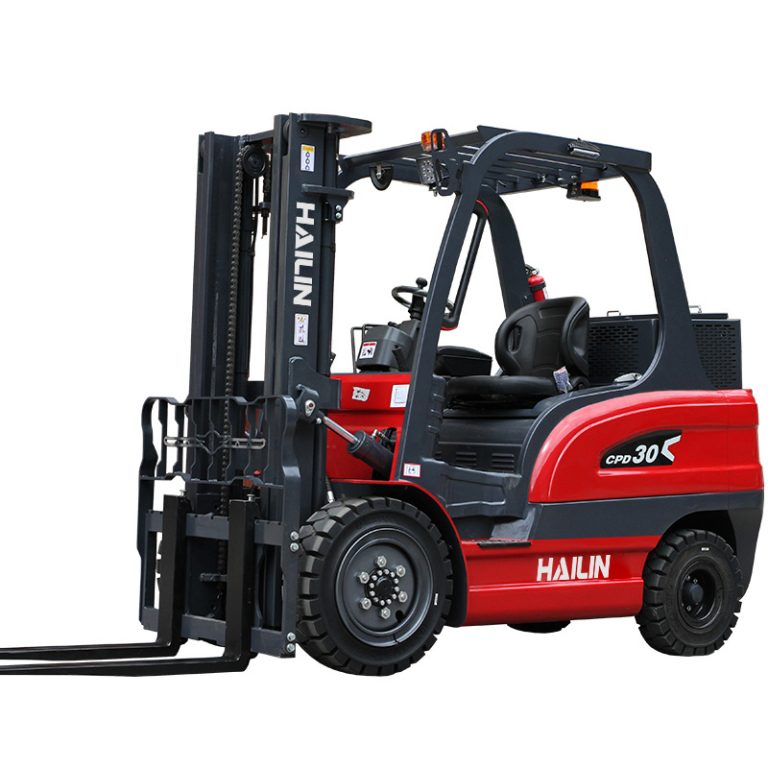
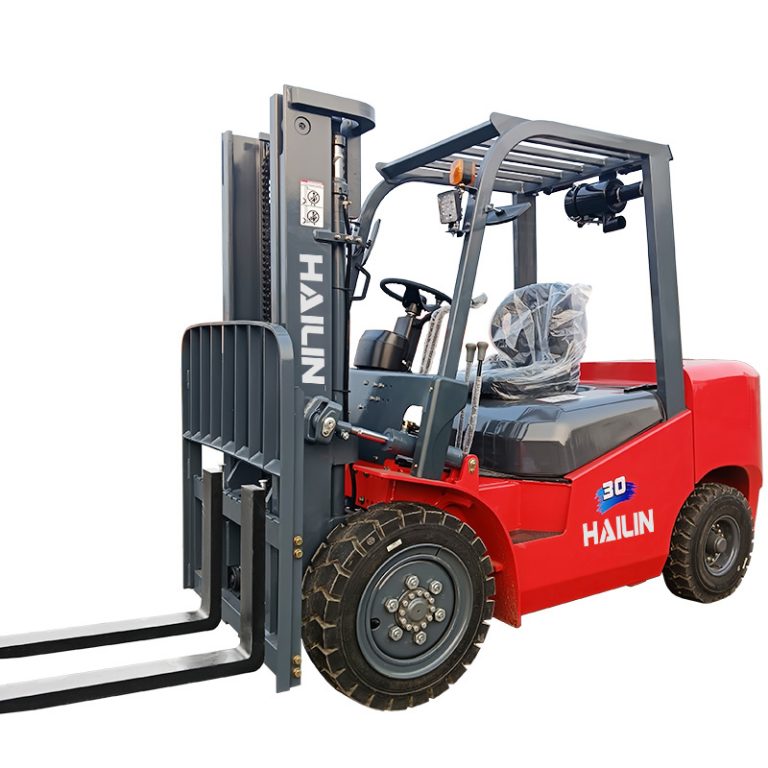
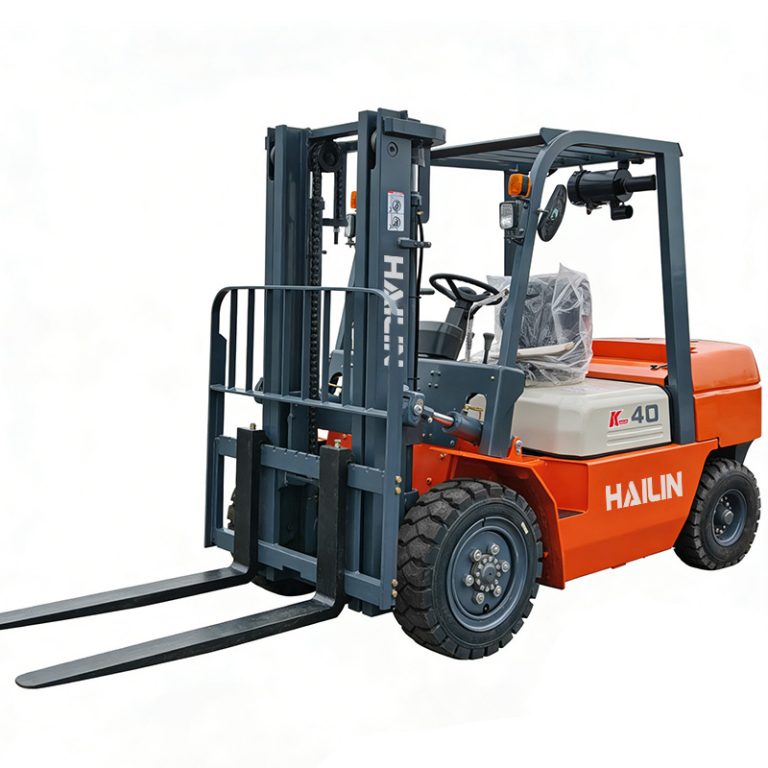
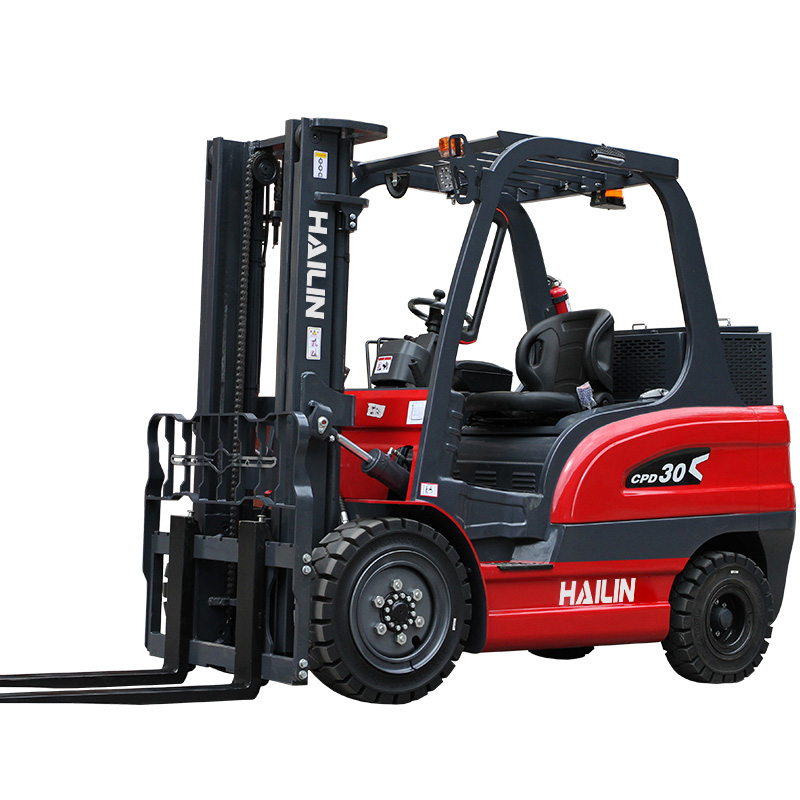
Brands like HAILIN Forklift offer both electric and diesel forklift solutions tailored to warehouse operations, freight handling, manufacturing plants, and outdoor industrial applications. Heavy-duty diesel forklifts remain especially popular in industries requiring continuous lifting performance and rugged durability.
Warehouse Forklifts
Warehouse forklifts emphasize tight turning capabilities, operator visibility, and efficient pallet handling. Safety awareness around pedestrians becomes especially important in these environments.
Rough Terrain Forklifts
Rough terrain forklifts feature larger tires, stronger lifting systems, and enhanced stability for outdoor operations. Operators require specialized training to manage uneven surfaces safely.
Electric vs Diesel Forklifts
Electric forklifts reduce emissions and noise levels, making them ideal indoors. Diesel forklifts provide higher torque and longer runtime for demanding industrial operations.
Workplace Risks Associated With Forklift Operation
Forklift accidents don’t happen because machines are inherently evil. They happen because operators become distracted, overloaded, rushed, poorly trained, or complacent. The danger often comes from familiarity. Once operators feel overly comfortable, safety shortcuts begin appearing.
Some of the most common forklift accidents include:
- Tip-overs
- Falling loads
- Pedestrian collisions
- Dock falls
- Speeding incidents
- Improper stacking accidents
Imagine balancing a refrigerator on a skateboard while navigating through a crowded supermarket. That’s essentially the level of coordination forklift operators manage daily, except the machine weighs several tons.
OSHA estimates that forklifts are involved in tens of thousands of injuries annually. Many accidents could be prevented through better training, regular evaluations, and stricter safety enforcement. Employers who ignore safety protocols often pay a steep price through lawsuits, downtime, damaged equipment, and workers’ compensation claims.
Common Forklift Accidents
Tip-over incidents remain among the deadliest forklift accidents. Operators sometimes attempt sharp turns while carrying elevated loads, causing instability. Pedestrian accidents are also common in busy warehouses where visibility becomes limited.
Employer Liability and Safety Compliance
Employers are legally responsible for providing safe workplaces. Failure to train operators properly or allowing underage workers to operate forklifts can result in significant OSHA penalties and legal exposure.
How Companies Train New Forklift Operators
Modern forklift training combines classroom instruction, online education, and hands-on practice. Companies increasingly use digital learning platforms because they save time and standardize instruction. Online courses typically cover regulations, hazard recognition, inspections, and operational theory.
But online training alone isn’t enough. OSHA requires practical evaluation and workplace-specific instruction. A trainee may ace an online exam yet struggle horribly when navigating crowded aisles with an actual forklift.
Practical training usually involves supervised operation under experienced instructors. Trainees learn how to start, stop, steer, reverse, lift, lower, and stack loads safely. They also practice handling ramps, corners, and emergency situations.
Good trainers emphasize mindset as much as mechanics. The best forklift operators remain cautious even after years of experience. They understand that confidence should never replace vigilance.
Online Training Programs
Online forklift courses provide flexible education for operators and employers. They’re commonly used to teach foundational knowledge before hands-on evaluation.
Hands-On Practical Training
Practical instruction allows trainees to apply safety concepts in real environments. Employers must verify operator competence before certification becomes valid.
Career Opportunities for Certified Forklift Operators
Forklift certification opens doors across multiple industries. Warehouses, logistics companies, retail distributors, manufacturing facilities, ports, construction sites, and freight terminals all rely heavily on skilled forklift operators.
E-commerce growth has increased demand significantly. Every online order requires products to move through supply chains, and forklifts are the backbone of those operations. From unloading shipping containers to stacking pallets in distribution centers, certified operators remain essential.
Pay rates vary depending on industry, location, equipment type, and experience. Specialized operators handling heavy-duty or rough terrain forklifts often earn more due to increased skill requirements.
For many workers, forklift certification becomes a stepping stone into broader industrial careers. Some move into warehouse supervision, logistics coordination, equipment training, or safety management roles over time.
Industries Hiring Forklift Drivers
Industries actively hiring forklift operators include:
| Industry | Forklift Usage |
|---|---|
| Warehousing | Inventory movement |
| Manufacturing | Material handling |
| Construction | Heavy lifting |
| Retail Distribution | Shipping and receiving |
| Freight & Logistics | Cargo transport |
Salary Expectations and Demand
Experienced forklift operators can command competitive wages, especially in high-demand logistics markets. Operators with strong safety records and specialized equipment experience often enjoy better career opportunities.
Choosing the Right Forklift for Industrial Applications
Selecting the right forklift matters just as much as hiring qualified operators. Different industries demand different lifting capacities, fuel systems, and operating capabilities. A small electric warehouse forklift won’t perform well on muddy construction terrain, just as a large diesel forklift may be impractical in narrow indoor aisles.
Diesel forklifts remain popular in heavy industries because of their durability and lifting strength. Construction sites, lumber yards, metal fabrication facilities, and outdoor logistics operations frequently depend on diesel-powered equipment for demanding workloads.
Electric forklifts continue gaining popularity in warehouse environments due to cleaner emissions, reduced maintenance requirements, and lower operating noise. Businesses focused on sustainability increasingly favor electric fleets.
Manufacturers like HUAYA Forklift provide solutions ranging from compact electric warehouse forklifts to rugged diesel forklifts designed for manufacturing, freight handling, and industrial material transport. Choosing the right machine ultimately depends on operational demands, environment, and productivity goals.
Diesel Forklifts for Heavy Duty Work
Diesel forklifts excel in outdoor operations requiring high lifting capacity and long operating hours. Their robust performance makes them ideal for construction, precast concrete, metals, and lumber industries.
Electric Forklifts for Warehouses
Electric forklifts offer quieter operation, lower emissions, and excellent maneuverability. They’re commonly used in food storage, retail distribution, and warehouse environments.
The legal minimum age to operate a forklift in most U.S. workplaces is 18 years old, and that rule exists for good reason. Forklifts are powerful industrial machines capable of causing severe injuries when operated improperly. Federal laws under OSHA and the Fair Labor Standards Act establish strict regulations to protect workers, especially minors, from unnecessary risk.
Age alone, however, is not enough. Proper training, hands-on evaluation, and workplace-specific certification are equally critical. Employers must ensure operators are competent, safety-conscious, and capable of handling equipment responsibly.
Whether someone plans to work in warehousing, manufacturing, logistics, or construction, forklift certification can open valuable career opportunities. But the foundation always starts with safety, legal compliance, and proper education.
FAQs
1. Can a 17-year-old legally operate a forklift?
No. Federal law generally prohibits anyone under 18 from operating a forklift in non-agricultural workplaces.
2. Does OSHA issue forklift licenses?
No. OSHA sets training standards, but employers certify operators after training and evaluation.
3. How long does forklift certification last?
OSHA requires operator evaluations at least every three years, though retraining may happen sooner if necessary.
4. Can forklift certification be completed online?
Online courses can provide formal instruction, but OSHA also requires practical hands-on evaluation.
5. What industries hire forklift operators most frequently?
Warehousing, logistics, manufacturing, retail distribution, freight handling, and construction industries commonly hire certified forklift operators.