

Ever watched a forklift operator glide through a warehouse with laser precision and wondered, “How hard can that be?” At first glance, driving a forklift may seem as simple as operating a large golf cart with forks attached. The reality is very different. Forklifts are powerful industrial machines capable of lifting thousands of pounds, and when handled incorrectly, they can become dangerous in seconds. That is exactly why forklift certification exists. Companies across manufacturing, warehousing, logistics, construction, and retail industries require operators to complete formal training before touching the controls.
In the United States, the Occupational Safety and Health Administration, better known as OSHA, regulates forklift operator training under 29 CFR 1910.178. OSHA requires workers to receive formal instruction, hands-on training, and workplace evaluation before they are authorized to operate powered industrial trucks. Many people mistakenly believe there is a universal government-issued forklift license. There is not. Instead, employers certify operators after they complete training and demonstrate competence. That distinction matters because it changes how and where you get trained.
The demand for certified forklift operators continues to grow as warehouses expand due to e-commerce and global logistics. Companies are constantly searching for workers who already understand workplace safety and material handling procedures. Forklift certification can increase employability, improve wages, and help workers move into supervisory or logistics-related roles. It is a little like getting a backstage pass into the world of industrial operations. Employers value certified operators because they reduce accident risks, lower insurance claims, and improve productivity.
Understanding Forklift Certification
What Is a Forklift Certification?
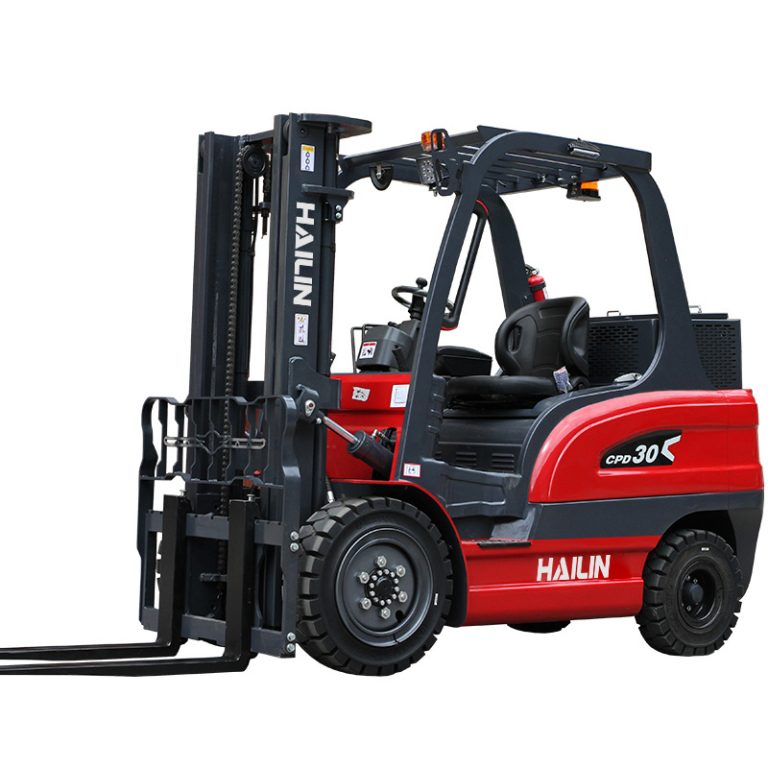
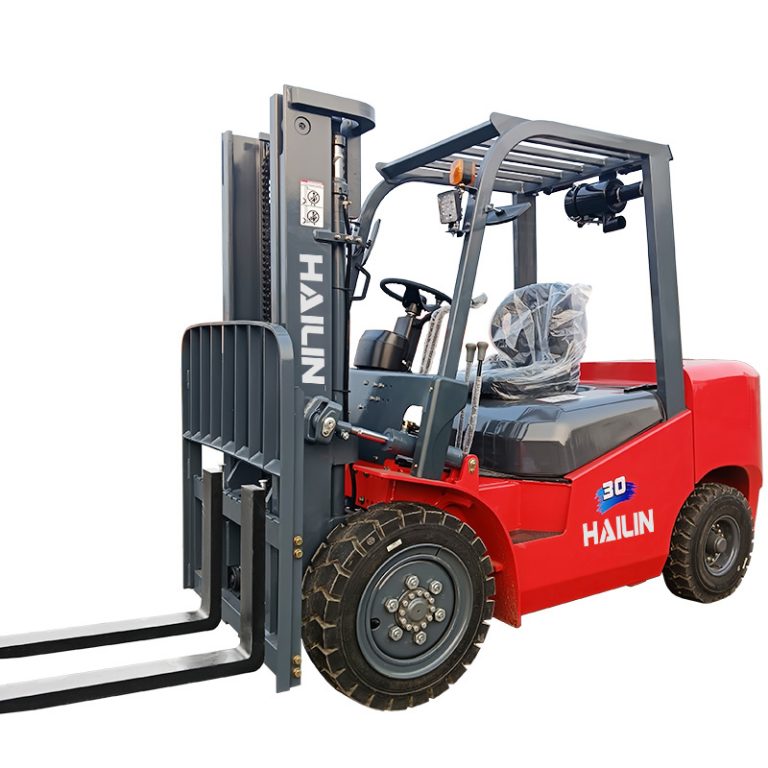
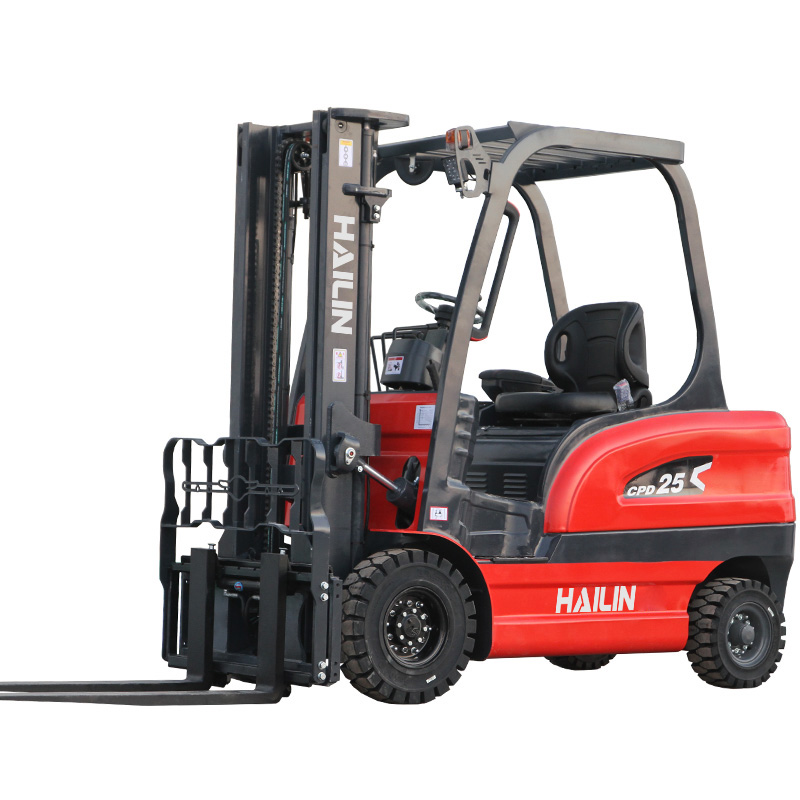
A forklift certification is proof that an operator has completed the required training and evaluation needed to safely operate a powered industrial truck. OSHA does not directly issue licenses or certification cards. Instead, employers or approved training providers conduct training programs that comply with OSHA regulations. After the operator demonstrates the necessary skills, the employer documents the training and authorizes the worker to operate specific forklift types.Forklifts come in many brands and models used across warehouses, factories, and construction sites. For example, machines like Hailin forklift are often seen in industrial environments where durability and lifting performance are important.
Think of forklift certification like earning a pilot clearance for a specific aircraft. Just because someone knows how to operate one forklift model does not mean they can safely operate every machine. OSHA requires training to match the actual equipment and workplace conditions involved. A worker trained on a sit-down electric forklift may still need additional evaluation before operating a rough terrain forklift outdoors. That equipment-specific approach has become increasingly important in modern warehouses where different forklift classes are used for specialized tasks.
Certification programs usually include three core elements. First comes classroom or online instruction covering safety principles, regulations, hazard awareness, and equipment basics. Second is practical hands-on training with the actual forklift. Third is a workplace evaluation where the trainee demonstrates safe operation under supervision. Only after completing all three stages can the employer certify the operator. Online-only training is not enough by itself because OSHA specifically requires practical evaluation.
Most forklift certifications remain valid for three years before reevaluation is required. However, refresher training may be necessary sooner if an operator is involved in an accident, observed operating unsafely, or assigned to different equipment. The certification process is designed to protect not only operators but everyone working around forklifts, including warehouse employees and pedestrians.
Why Forklift Training Matters
Forklift training is about far more than checking a legal compliance box. Every year, workplace accidents involving forklifts cause serious injuries and fatalities. OSHA estimates that thousands of workers are injured annually in forklift-related incidents, many of which are preventable through proper training. When operators understand load balance, visibility limitations, and workplace hazards, the risk of accidents drops dramatically.
Imagine carrying a stack of unstable boxes while walking on ice. That is similar to what happens when a forklift operator carries an overloaded pallet around tight warehouse corners without understanding stability principles. Forklifts have a center of gravity that changes depending on load size, weight distribution, and movement speed. Proper training teaches operators how to avoid tip-overs, falling loads, and collisions. These are not abstract lessons from a textbook. They are practical survival skills used every day in industrial environments.
Training also improves operational efficiency. Certified operators know how to inspect equipment, move loads safely, and reduce product damage. Businesses benefit because fewer accidents mean less downtime, fewer lawsuits, and lower repair costs. Warehouses operate like giant synchronized machines, and forklift operators are a critical part of that system. A poorly trained operator can disrupt workflow like a broken gear in an engine.
Another reason training matters is career mobility. Many warehouse and logistics jobs list forklift certification as either preferred or required. Workers with certification often qualify for higher-paying positions because employers can immediately place them into operational roles. In competitive industries, that small plastic certification card can open surprisingly large career doors.
OSHA Rules and Legal Requirements
OSHA 29 CFR 1910.178 Explained
OSHA’s forklift regulation, officially known as 29 CFR 1910.178, outlines the safety requirements for powered industrial trucks. According to OSHA, only trained and competent operators are allowed to operate forklifts. Employers are legally responsible for ensuring workers receive proper instruction and evaluation before authorization.
The regulation requires training in several important areas, including:
| Training Area | Description |
|---|---|
| Operating controls | Learning forklift controls and functions |
| Load handling | Understanding weight limits and stability |
| Workplace hazards | Navigating ramps, aisles, and pedestrian areas |
| Vehicle inspection | Performing daily safety checks |
| Fueling and charging | Safe refueling and battery charging procedures |
OSHA training combines classroom learning with hands-on evaluation. Employers must also maintain records documenting the operator’s training date, evaluation date, and trainer information. These records are important during OSHA inspections or workplace audits.
One important rule many people overlook is reevaluation. OSHA requires operators to be evaluated at least once every three years. Additional refresher training is required if unsafe behavior is observed or workplace conditions change. That ongoing evaluation process helps ensure forklift safety standards remain current instead of becoming outdated over time.
Minimum Age and Eligibility Requirements
In the United States, forklift operators must generally be at least 18 years old due to federal hazardous occupation laws. Employers may also require a high school diploma or basic English comprehension depending on workplace communication needs. While there is no universal education requirement, operators must understand safety instructions and warning labels clearly.
Physical ability matters too. Forklift operators need good coordination, depth perception, and awareness of surroundings. Warehouses can become chaotic environments with moving equipment, tight aisles, and heavy loads traveling overhead. Operators must react quickly and stay focused during long shifts. Even minor distractions can lead to accidents.
Some employers conduct background checks or drug screenings before authorizing operators. Safety-sensitive industries such as logistics and manufacturing often enforce strict workplace policies because forklift accidents can result in severe injuries or property damage. Reliable attendance and attention to detail are highly valued traits in forklift operators.
The good news is that forklift certification remains accessible for most adults entering the workforce. Many training programs are short, affordable, and beginner-friendly. You do not need years of experience to start. In fact, many companies actively train entry-level workers because the demand for qualified operators remains high across distribution centers and warehouses.
Types of Forklifts That Require Certification
Electric Forklifts
Electric forklifts are among the most common machines found in modern warehouses. These forklifts run on rechargeable batteries and are popular for indoor environments because they produce no emissions. Operators often use electric forklifts in retail distribution centers, refrigerated warehouses, and food storage facilities where air quality matters.
Driving an electric forklift feels different from operating combustion-powered equipment. They accelerate quietly and smoothly, which can actually create hidden safety risks because pedestrians may not hear them approaching. Operators learn how to compensate by maintaining awareness and using warning signals appropriately. Battery charging procedures are another important training topic because improper charging can create fire hazards.
Electric forklifts also include several categories such as stand-up reach trucks, pallet jacks, and counterbalance forklifts. Each type serves a different purpose, and operators may require additional equipment-specific training depending on workplace requirements. Warehouses increasingly favor electric equipment due to sustainability goals and lower maintenance costs.
Diesel and LPG Forklifts
Diesel and LPG forklifts dominate outdoor operations and heavy-duty industrial applications. Construction yards, lumber facilities, shipping ports, and manufacturing plants frequently rely on these machines because they deliver greater lifting power and longer operating times than many electric alternatives.
Operating fuel-powered forklifts involves unique safety considerations. Operators must understand refueling procedures, ventilation requirements, and engine-related hazards. In enclosed spaces, emissions from diesel forklifts can create dangerous air quality conditions. OSHA specifically includes ventilation and exhaust awareness within forklift training requirements.
These forklifts also tend to handle heavier loads, making stability awareness extremely important. Large loads can block visibility and alter the machine’s center of gravity. Skilled operators learn how to maneuver carefully while maintaining balance and avoiding sudden turns or stops.
Rough Terrain Forklifts
Rough terrain forklifts are built for outdoor construction sites and uneven surfaces. Unlike warehouse forklifts, these machines use large pneumatic tires and reinforced frames to navigate dirt, gravel, and rugged terrain. They are commonly used in construction, agriculture, and infrastructure projects.
Training for rough terrain forklifts is especially important because outdoor environments introduce unpredictable conditions. Mud, slopes, weather, and uneven ground all affect stability. Operators must learn how terrain impacts lifting capacity and maneuverability. Driving one of these machines without training is a little like trying to sail through a storm without navigation skills.
Because rough terrain forklifts often operate near workers, cranes, and heavy equipment, communication and situational awareness become critical. Operators must coordinate movements carefully to prevent collisions and load drops.
Step-by-Step Guide to Getting Certified
Step 1 – Choose a Training Program
The first step toward certification is selecting a reputable training provider. Many employers offer in-house forklift training programs, while others use third-party OSHA-compliant courses. Online programs have become increasingly popular because they allow workers to complete theoretical instruction at their own pace.
When choosing a program, verify that it covers OSHA-required topics and includes hands-on evaluation. Be cautious of websites claiming instant “official licenses” without practical training. OSHA clearly requires real-world evaluation before certification.
Training providers typically offer programs tailored to different industries and forklift types. Warehousing operations may focus on electric reach trucks, while construction companies emphasize rough terrain forklifts. Choosing the right course ensures your certification aligns with your intended job environment.
Step 2 – Complete Classroom Training
Classroom instruction forms the knowledge foundation for safe forklift operation. Topics include equipment controls, stability principles, pedestrian safety, load handling, inspections, and OSHA regulations. Some courses use videos and simulations to demonstrate accident scenarios and hazard prevention.
This stage may feel similar to driver’s education for automobiles. Operators learn how forklifts behave differently from regular vehicles. Rear-wheel steering, load shifting, and limited visibility all require specialized handling techniques.
Online training platforms now offer interactive learning modules, quizzes, and digital manuals. These systems make forklift education more accessible for beginners. Still, theoretical learning alone does not qualify someone to operate equipment independently.
Step 3 – Pass the Written Exam
Most forklift programs require trainees to pass a written knowledge test. The exam evaluates understanding of safety procedures, OSHA rules, and operational principles. Questions may cover topics such as load capacity, inspection procedures, warning labels, and accident prevention.
Passing scores vary by provider, but most exams are multiple-choice and relatively straightforward for attentive trainees. Practice tests are widely available online, and many programs allow retakes if necessary.
The written exam serves an important purpose beyond compliance. It ensures operators understand why safety procedures exist rather than simply memorizing actions. In dangerous environments, understanding the reasoning behind rules can save lives.
Step 4 – Complete Hands-On Evaluation
Hands-on evaluation is where training becomes real. Trainees operate actual forklifts under supervision while demonstrating safe driving, lifting, stacking, and maneuvering skills. Evaluators watch closely for proper control usage, situational awareness, and adherence to safety procedures.
This stage often reveals the difference between theory and practice. Reading about forklift stability is one thing. Feeling a machine shift under load while turning a corner is entirely different. Practical evaluation helps operators develop muscle memory and confidence before working independently.
Employers typically customize evaluations to workplace conditions. Warehouse operators may practice narrow aisle maneuvering, while outdoor operators focus on uneven terrain handling. OSHA requires evaluations to reflect actual working environments.
Step 5 – Receive Employer Authorization
After completing training and evaluation, the employer documents certification and authorizes the operator to use specific forklift types. Certification records must include operator names, training dates, evaluation dates, and trainer information.
Some employers issue wallet cards or certificates, while others maintain digital records internally. Either way, the employer remains responsible for ensuring operators remain competent and properly evaluated.
Online Forklift Certification vs In-Person Training
Can You Get Certified Fully Online?
This is one of the most common questions people ask. The short answer is no — not entirely. OSHA allows the classroom portion of forklift training to be completed online, but practical hands-on evaluation must occur in person.
Online courses are excellent for learning regulations, safety principles, and equipment basics. They are convenient, flexible, and affordable. However, no online program can fully simulate operating a multi-ton machine around real workplace hazards.
Think of it like learning to swim from YouTube videos. Watching tutorials may teach concepts, but eventually you still need to enter the water. Forklift operation works the same way.
Pros and Cons of Online Training
| Pros | Cons |
|---|---|
| Flexible schedule | Cannot replace hands-on evaluation |
| Lower cost | Limited real-world experience |
| Accessible from anywhere | May not match specific workplace equipment |
| Fast completion | Requires employer follow-up training |
Online training works best when combined with employer-supervised practice. Many workers complete online courses before job interviews to demonstrate initiative and preparedness.
Forklift Certification Costs and Duration
Average Cost of Forklift Training
Forklift training costs vary widely depending on provider, location, and equipment type. Online courses may cost between $50 and $200, while comprehensive in-person programs can exceed $300. Some employers provide training free of charge for new hires.
The investment is relatively small compared to the earning potential certification creates. Forklift operators often earn higher wages than general warehouse workers because certified operation involves greater responsibility and skill.
How Long Does Certification Last?
OSHA requires forklift operators to be evaluated at least every three years. However, refresher training may occur sooner if:
- The operator is involved in an accident
- Unsafe operation is observed
- Workplace conditions change
- Different equipment is introduced
Staying current with training ensures operators remain safe and compliant.
Skills You Learn During Forklift Training
Load Handling and Stability
One of the most important forklift skills is understanding load stability. Forklifts can tip forward or sideways if loads exceed capacity or become unbalanced. Training teaches operators how to position forks correctly, distribute weight evenly, and maintain stability during movement.
Operators also learn how lifting height affects balance. A forklift carrying a raised load behaves very differently from one carrying a low load near the ground. Understanding these dynamics prevents accidents and protects inventory.
Workplace Safety Procedures
Forklift training emphasizes workplace awareness and communication. Operators learn how to navigate pedestrian traffic, blind corners, loading docks, and narrow aisles safely. Daily inspections also become part of routine operation.
Safety procedures may include:
- Inspecting brakes and steering before shifts
- Checking tires and hydraulics
- Using horns at intersections
- Wearing seat belts
- Maintaining safe speeds
These habits eventually become automatic for experienced operators.
Common Mistakes New Forklift Operators Make
New operators often underestimate forklift momentum and turning behavior. Unlike cars, forklifts steer from the rear, causing the back end to swing outward during turns. Beginners sometimes clip shelving or nearby objects because they misjudge clearance.
Another common mistake is driving with elevated loads. Keeping loads too high reduces visibility and destabilizes the machine. Operators should travel with loads lowered whenever possible.
Complacency also becomes dangerous over time. Experienced operators may grow overconfident and ignore procedures. That is why OSHA requires reevaluation and refresher training. Safe forklift operation demands constant attention.
How Forklift Certification Can Improve Your Career
Forklift certification can significantly strengthen your resume. Warehouses, factories, retail distribution centers, shipping ports, and construction companies all need qualified operators. Certified workers often receive priority during hiring because employers save time and training costs.
Certification may also lead to advancement opportunities. Experienced operators can move into warehouse supervision, logistics coordination, inventory management, or safety training roles. The logistics industry continues expanding due to online shopping growth, creating long-term demand for skilled operators.
For many workers, forklift certification serves as an accessible entry point into stable industrial careers. The training process is relatively fast, affordable, and practical compared to many professional certifications. Sometimes a single skill can act like a key unlocking multiple career doors.
Getting a forklift certification is one of the fastest ways to gain a valuable workplace skill with real earning potential. The process involves more than simply watching a video or passing a quick quiz. OSHA requires formal instruction, hands-on practice, and employer evaluation to ensure operators can safely handle powered industrial trucks.
Whether you choose online training, employer-sponsored instruction, or a local certification course, the goal remains the same: learning how to operate forklifts safely and efficiently. Certification not only protects workers and businesses but also increases employability in industries where skilled operators remain in high demand.
Warehouses and logistics centers are growing rapidly around the world, and forklift operators remain essential to keeping products moving. If you are looking for a practical career skill that can open doors quickly, forklift certification is a smart place to start.
FAQs
1. Can I get forklift certified without a job?
Yes, you can complete the classroom portion independently through online or third-party training providers. However, OSHA still requires hands-on evaluation and employer authorization before full certification is valid.
2. How long does it take to get forklift certified?
Many training programs can be completed within one day. Online classroom training may take several hours, followed by practical evaluation.
3. Does forklift certification expire?
Yes. OSHA requires reevaluation at least every three years. Additional refresher training may be necessary after accidents or workplace changes.
4. Is online forklift certification legitimate?
Online courses are legitimate for the classroom portion of training, but they must be combined with hands-on evaluation to meet OSHA requirements.
5. What jobs require forklift certification?
Forklift certification is commonly required in warehousing, logistics, manufacturing, retail distribution, shipping, construction, and freight industries.