

If you work in a warehouse, manufacturing plant, lumber yard, shipping center, or construction site, chances are you’ve either operated a forklift or seen one in action. These machines may look simple from a distance, but they can be incredibly dangerous when handled improperly. That’s exactly why forklift certification exists. One of the most common questions operators ask is: how long does forklift certification last? The short answer is three years under OSHA regulations in the United States. But once you start digging deeper, the topic becomes more nuanced than most people realize.
A lot of workers assume forklift certification works like a driver’s license that expires on a specific date and requires a full retest every few years. That isn’t completely accurate. OSHA actually requires employers to evaluate forklift operators at least once every three years to confirm they can still operate equipment safely. Depending on workplace conditions, accidents, or operational changes, retraining may happen much sooner. Think of forklift certification like maintaining a pilot’s readiness rather than simply renewing a card. The goal is continuous safety, not just paperwork.
Recent OSHA guidance confirms that employers must ensure every forklift operator remains competent and safe through periodic evaluations and refresher training when necessary. Many companies also go beyond OSHA minimum standards and require yearly retraining programs. So while the famous “three-year rule” is technically correct, the reality inside warehouses and job sites can vary significantly.
Understanding Forklift Certification
What Is Forklift Certification?
Forklift certification is an employer-backed process that proves an operator has received the proper training to safely operate powered industrial trucks. OSHA regulations under 29 CFR 1910.178 require forklift operators to complete both formal instruction and practical hands-on training before using equipment in the workplace. This training often includes videos, lectures, written materials, demonstrations, and supervised operation sessions. Afterward, the employer evaluates the worker’s ability to safely handle the forklift in real workplace conditions.
Many people mistakenly think there is a national “forklift license” issued by the government. In reality, forklift certification is typically employer-specific. That means your certification may not automatically transfer from one company to another because each workplace has different equipment, hazards, and safety protocols. For example, operating a narrow aisle forklift in a distribution center is very different from driving a rough terrain forklift on a construction site. Employers are responsible for ensuring workers are trained for the exact machines and conditions they will encounter daily.
The certification process is about much more than checking a compliance box. Forklift accidents cause serious injuries and fatalities every year. According to OSHA estimates frequently cited by safety organizations, thousands of forklift-related injuries occur annually in the United States. A poorly trained operator can tip over loads, strike pedestrians, damage inventory, or even cause structural collapses in warehouses. Forklift certification reduces these risks by teaching operators stability principles, load handling, safe maneuvering, and hazard awareness. In many ways, forklift training acts like defensive driving for industrial equipment.
Why Forklift Certification Matters
Forklift certification matters because forklifts are deceptively powerful machines. A forklift may seem slower and smaller than heavy construction equipment, but it can lift thousands of pounds and operate in crowded environments filled with workers, shelving systems, and expensive inventory. One small mistake can quickly snowball into a costly accident. Proper certification helps operators understand machine limitations, weight distribution, blind spots, and safe operating procedures before problems occur.
Employers also benefit financially from maintaining certified operators. Workplace injuries can lead to lawsuits, OSHA fines, damaged equipment, insurance increases, and lost productivity. OSHA can issue penalties when companies allow untrained workers to operate powered industrial trucks. Safety training is not just a legal requirement; it is also a business protection strategy. Companies that invest in consistent forklift training often experience fewer accidents and smoother warehouse operations overall.
From a career perspective, forklift certification can improve employability. Warehousing, logistics, manufacturing, and construction industries continue to rely heavily on skilled forklift operators. Workers who maintain updated certifications often have access to better-paying positions and more job stability. Employers tend to favor candidates who already understand OSHA safety practices and can start work with minimal additional training. In competitive industries, certification becomes a valuable professional credential rather than just another workplace formality.
OSHA Rules for Forklift Certification
OSHA’s Three-Year Evaluation Requirement
The most important OSHA requirement regarding forklift certification is the mandatory operator evaluation every three years. OSHA specifically states that employers must evaluate forklift operators at least once during this period to ensure they continue operating safely. This evaluation is often what people refer to as “renewing” or “recertifying” forklift certification.
The three-year rule does not necessarily mean operators must repeat the entire classroom training program every time. In many cases, employers simply conduct a practical performance evaluation. If the operator demonstrates safe driving habits, proper load handling, awareness of surroundings, and compliance with workplace procedures, the employer may simply document the successful evaluation and renew certification records. It’s similar to a coach observing an experienced athlete during practice instead of forcing them to relearn every basic rule from scratch.
OSHA’s main concern is operator competency, not repetitive paperwork. If an experienced forklift operator continues working safely and passes evaluations, retraining requirements can remain relatively straightforward. OSHA guidance also allows employers to use third-party trainers or evaluators, provided records are properly maintained. Documentation must include the operator’s name, training dates, evaluation dates, and trainer information.
The following table summarizes OSHA’s standard forklift certification timeline:
| Requirement | OSHA Standard |
|---|---|
| Initial Training | Required before operation |
| Hands-On Evaluation | Mandatory |
| Recertification Interval | Every 3 years |
| Refresher Training | As needed after incidents or unsafe behavior |
| Documentation Required | Yes |
Situations That Require Immediate Retraining
Unsafe Operation
OSHA does not wait three years if an operator demonstrates unsafe behavior. If a worker is caught driving recklessly, mishandling loads, speeding, ignoring pedestrian safety, or violating workplace procedures, employers must provide refresher training immediately. This is one of the most misunderstood aspects of forklift certification.
Imagine a forklift operator weaving through warehouse aisles like someone racing through city traffic. Even if their certification was renewed last month, unsafe behavior triggers mandatory retraining. OSHA prioritizes ongoing safety performance over calendar deadlines. Employers are expected to intervene as soon as dangerous patterns appear rather than waiting until the next scheduled evaluation.
Unsafe operation can include behaviors such as:
- Driving with elevated loads
- Turning too quickly
- Ignoring speed limits
- Carrying unstable materials
- Operating distracted
- Failing to inspect equipment properly
Many companies implement progressive discipline alongside retraining. Operators may temporarily lose forklift privileges until they successfully complete refresher evaluations. This approach protects both workers and employers from preventable accidents.
Accidents and Near Misses
Forklift accidents or near misses also trigger mandatory retraining requirements. OSHA states that refresher training must occur whenever an operator is involved in an incident that raises safety concerns. Even near misses matter because they often reveal hidden problems before serious injuries occur.
Think of near misses like warning lights on a vehicle dashboard. Ignoring them may eventually lead to disaster. If an operator narrowly avoids tipping over a load or almost strikes another employee, the employer must evaluate whether additional training is necessary. This proactive approach helps identify unsafe habits before tragedy happens.
Workplace Changes
Workplace conditions can also trigger new training requirements. If a company introduces new forklift models, modifies warehouse layouts, changes storage systems, or shifts operations outdoors, operators may need additional instruction. OSHA recognizes that even experienced operators can struggle when environments change significantly.
For example, transitioning from a sit-down forklift to a narrow aisle reach truck requires different handling skills. Similarly, operators trained in smooth indoor warehouses may need additional guidance before working on uneven outdoor terrain. Workplace changes create new hazards that cannot always be addressed through old training methods alone.
Does Forklift Certification Expire Automatically?
Certification vs Evaluation
One of the biggest misconceptions about forklift certification is the idea that it “expires” exactly three years after training. Technically, OSHA requires an evaluation every three years, not necessarily a full expiration and restart process. This distinction matters because many operators assume they must completely retake certification classes every few years.
In reality, the employer simply needs to confirm continued competency. If an operator passes evaluation successfully and demonstrates safe operation, the employer documents the evaluation and updates records. Additional classroom instruction may only be necessary if safety deficiencies appear.
This system makes practical sense. Imagine forcing an experienced forklift operator with fifteen years of safe driving history to repeat beginner-level instruction every three years without any flexibility. OSHA’s rules focus on actual safety performance rather than unnecessary repetition. That said, many companies voluntarily exceed minimum requirements by requiring more extensive refresher programs annually.
Common Misunderstandings About Expiration
A common misunderstanding is believing online forklift certification alone satisfies OSHA requirements forever. Online courses can provide formal instruction, but OSHA still requires practical hands-on evaluation in the actual workplace. Watching videos and completing quizzes online does not automatically qualify someone to operate forklifts independently.
Another misconception is that certification transfers universally between employers. While prior experience certainly helps, employers are still responsible for evaluating operators within their own workplace environments. Different forklifts, warehouse layouts, and operational hazards often require site-specific evaluations.
Some operators also believe accident-free driving eliminates the need for reevaluation. OSHA clearly disagrees. Even experienced operators must undergo evaluation at least every three years to maintain compliance. Safety habits can deteriorate gradually over time, and periodic evaluations help identify risky behaviors before they cause injuries.
How Forklift Recertification Works
Classroom Training
Forklift recertification may include classroom-style refresher training depending on employer policy and operator performance. These sessions typically review OSHA regulations, workplace hazards, load capacity principles, inspection procedures, and accident prevention strategies. Some companies use videos and presentations, while others conduct hands-on group discussions.
The goal is not to overwhelm experienced operators with endless theory but to reinforce safe habits. Much like airline pilots repeatedly review emergency procedures despite years of flying experience, forklift operators benefit from consistent reminders about stability triangles, blind spots, and load balance.
Some employers keep refresher courses short and targeted, especially when operators have clean safety records. Others conduct full retraining sessions every three years regardless of experience. OSHA allows employers flexibility as long as evaluations confirm operator competency.
Hands-On Evaluation
The practical evaluation is often the most important part of recertification. During this process, evaluators observe operators handling forklifts in real working conditions. Operators may demonstrate tasks such as stacking pallets, navigating aisles, loading trucks, and maneuvering around pedestrians.
This hands-on approach reveals whether operators truly understand safe operation. A written test alone cannot fully measure spatial awareness, reaction time, or machine control. Practical evaluations function like a road test for industrial equipment operators.
Employers often pay close attention to:
- Safe turning techniques
- Proper load positioning
- Awareness of surroundings
- Speed control
- Parking procedures
- Equipment inspections
If operators demonstrate unsafe behaviors, refresher training may follow immediately before reevaluation.
Employer Documentation Requirements
OSHA requires employers to maintain accurate certification records. These documents prove workers received training and evaluations required under federal regulations.
Typical documentation includes:
- Operator name
- Training completion date
- Evaluation date
- Equipment types covered
- Trainer or evaluator name
Good documentation protects employers during OSHA inspections and demonstrates compliance efforts. It also helps companies track retraining schedules and identify patterns involving safety incidents or recurring operational issues.
State and Company-Specific Requirements
Differences Between Federal and State Rules
While OSHA establishes federal standards, some states operate their own OSHA-approved safety programs with additional requirements. States like California often impose stricter workplace safety regulations than federal minimum standards. Employers operating across multiple states must ensure compliance with both federal and local rules.
Certain industries may also adopt stricter internal policies based on risk levels. Construction companies, shipping ports, and large manufacturing facilities sometimes require more frequent evaluations due to higher hazard exposure. This explains why some workers report annual forklift retraining despite OSHA’s three-year minimum standard.
Why Some Companies Require Annual Training
Many employers choose annual forklift safety refreshers even when OSHA does not specifically require them. This decision often comes from practical experience rather than legal obligation. Frequent training helps reinforce safe habits and reduces complacency among operators.
Warehouses move quickly, especially during busy seasons. Under pressure to meet deadlines, operators may gradually cut corners or develop unsafe shortcuts. Annual refreshers act like routine maintenance for safety culture. They remind workers that productivity should never outweigh caution.
Some insurance providers also encourage frequent training because it lowers accident risks and liability exposure. A company with strong safety records often experiences fewer claims and operational disruptions.
Benefits of Keeping Certification Updated
Workplace Safety
Updated certification directly improves workplace safety. Forklift accidents can result in crushed limbs, head injuries, fatalities, damaged inventory, and structural damage. Regular evaluations help catch unsafe habits before catastrophic incidents occur.
Safety training also improves awareness among operators and nearby workers. Certified operators understand pedestrian zones, warning systems, visibility limitations, and load stability. These habits create safer environments for everyone inside busy facilities.
Career Opportunities
Forklift certification can strengthen long-term career opportunities. Warehousing and logistics industries continue growing rapidly due to e-commerce expansion and global supply chains. Certified operators remain in demand across manufacturing, retail distribution, shipping, and construction sectors.
Employers often prefer candidates with recent certification because it reduces onboarding time and training costs. Operators with specialized forklift experience, such as reach trucks or rough terrain forklifts, may access even higher-paying opportunities.
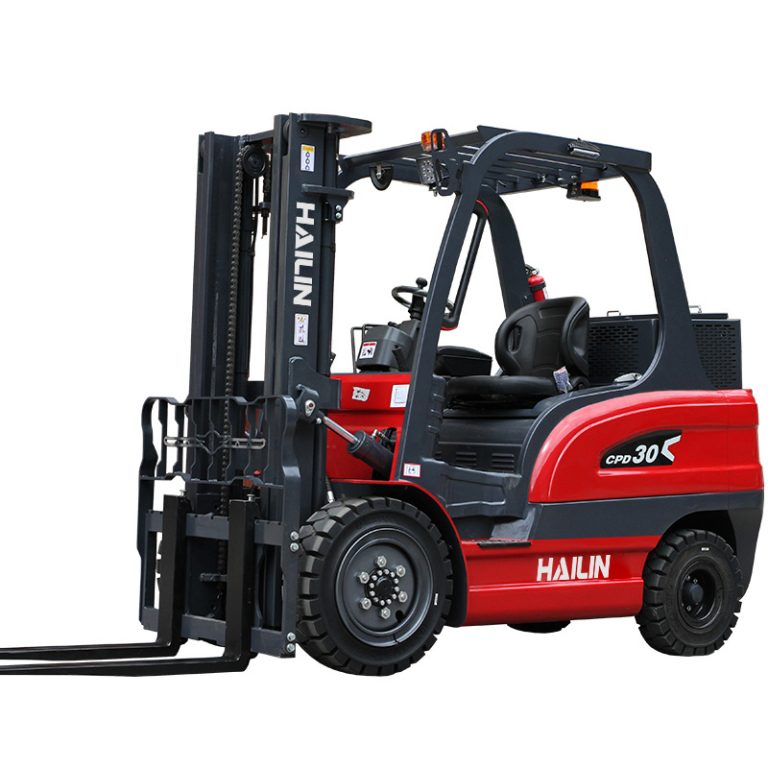
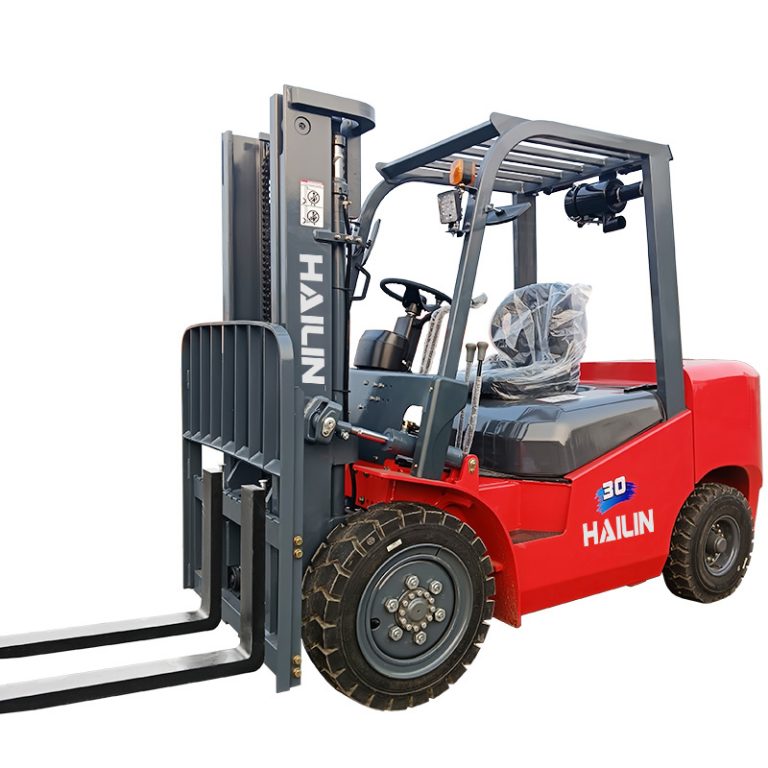
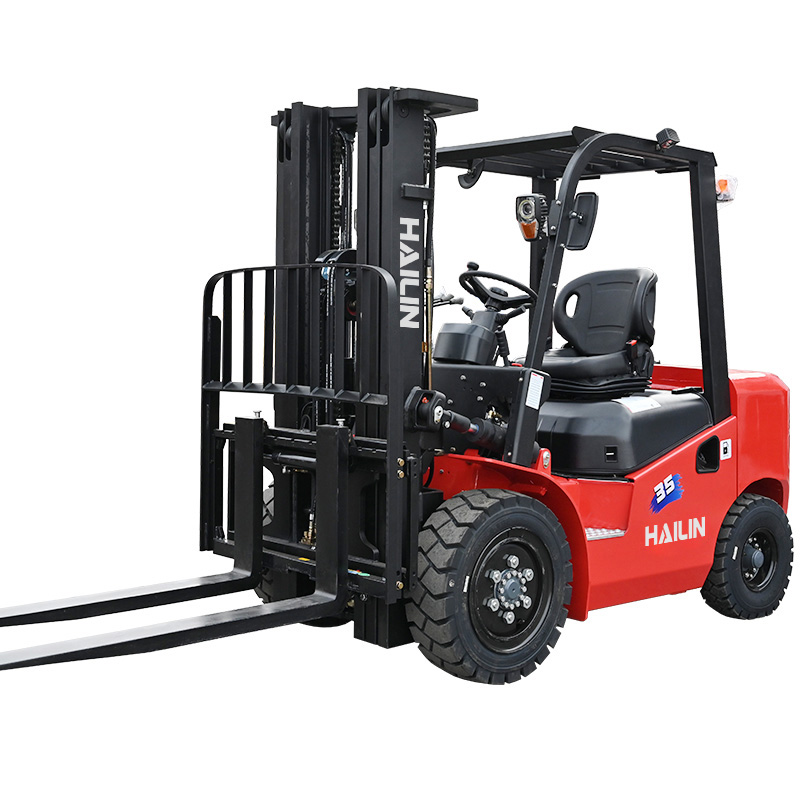
When discussing forklift certification, it also helps to understand the type of equipment operators use daily. Many warehouses, factories, and logistics companies rely on reliable forklift brands such as Hailin Forklifts for material handling operations. Whether operators are driving electric forklifts, diesel forklifts, or warehouse reach trucks, OSHA certification requirements still apply. The machine may change, but safe operation standards remain critical across every workplace environment.
Common Mistakes Operators Make
Assuming Online Training Is Enough
One major mistake is believing online-only training automatically fulfills OSHA requirements. OSHA clearly requires both formal instruction and workplace evaluation. An operator cannot legally complete a simple online quiz and immediately start driving forklifts unsupervised in most workplaces.
Hands-on practice remains essential because forklift operation involves real-world judgment, spatial awareness, and equipment familiarity that online modules alone cannot fully teach.
Ignoring Refresher Training
Another mistake is treating refresher training like an inconvenience instead of a safety investment. Experienced operators sometimes become overconfident and underestimate changing workplace hazards. Small shortcuts eventually turn into dangerous habits.
Refresher training helps operators stay sharp and adapt to evolving equipment, layouts, and procedures. In high-risk environments, confidence without caution can become a recipe for disaster.
So, how long does forklift certification last? Under OSHA regulations, forklift operators must be evaluated at least once every three years. But that timeline is only part of the story. Certification does not function like a simple expiration date stamped on a card. Employers must continuously ensure operators remain competent, safe, and properly trained for the environments where they work.
Unsafe operation, workplace changes, accidents, and near misses can all trigger immediate retraining requirements long before the three-year mark arrives. Many employers also choose stricter annual programs to strengthen workplace safety and reduce liability. The smartest operators treat certification as an ongoing commitment rather than a one-time achievement.
Forklift safety ultimately protects lives, equipment, productivity, and careers. Staying updated with training and evaluations is not just about compliance—it’s about ensuring everyone goes home safely at the end of the workday.
FAQs
1. Is forklift certification valid in every state?
OSHA forklift certification standards apply federally, but some states may enforce stricter workplace safety regulations. Employers may also require additional site-specific training.
2. Do I need to retake the full forklift course every three years?
Not always. OSHA generally requires evaluation every three years, but full retraining is only necessary if safety deficiencies or triggering events occur.
3. Can I get forklift certified completely online?
Online courses can provide formal instruction, but OSHA still requires practical hands-on evaluation in the workplace.
4. What happens if my forklift certification lapses?
Your employer may require reevaluation or refresher training before allowing you to operate forklifts again.
5. Can an employer require annual forklift training?
Yes. Many companies exceed OSHA minimum standards and conduct annual refresher training for added safety and compliance.