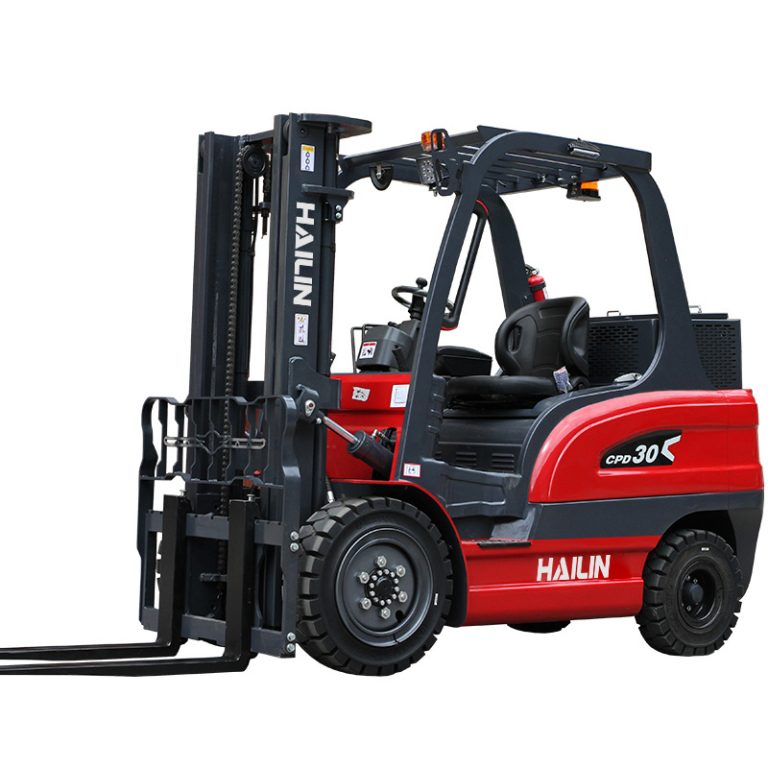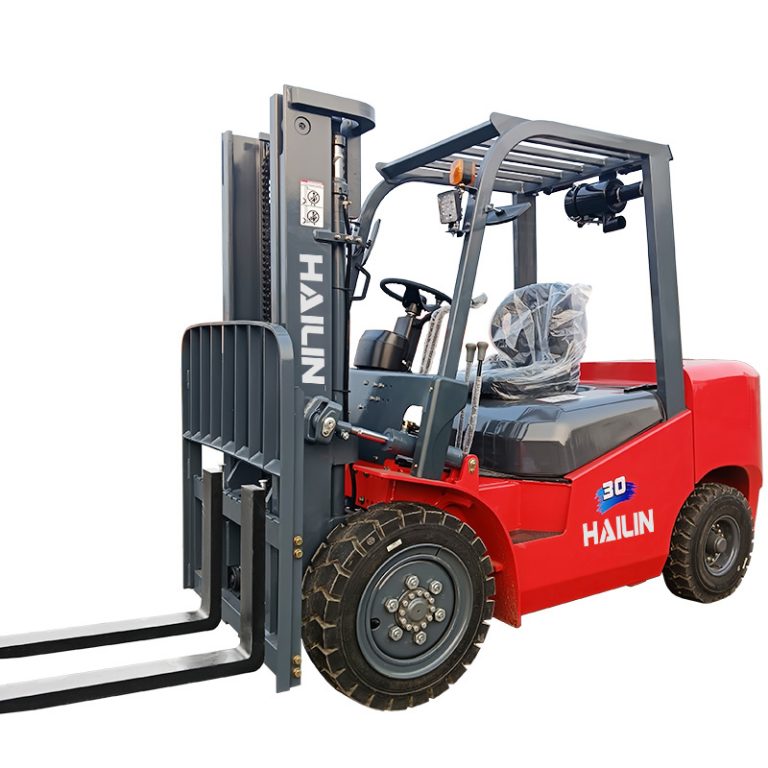

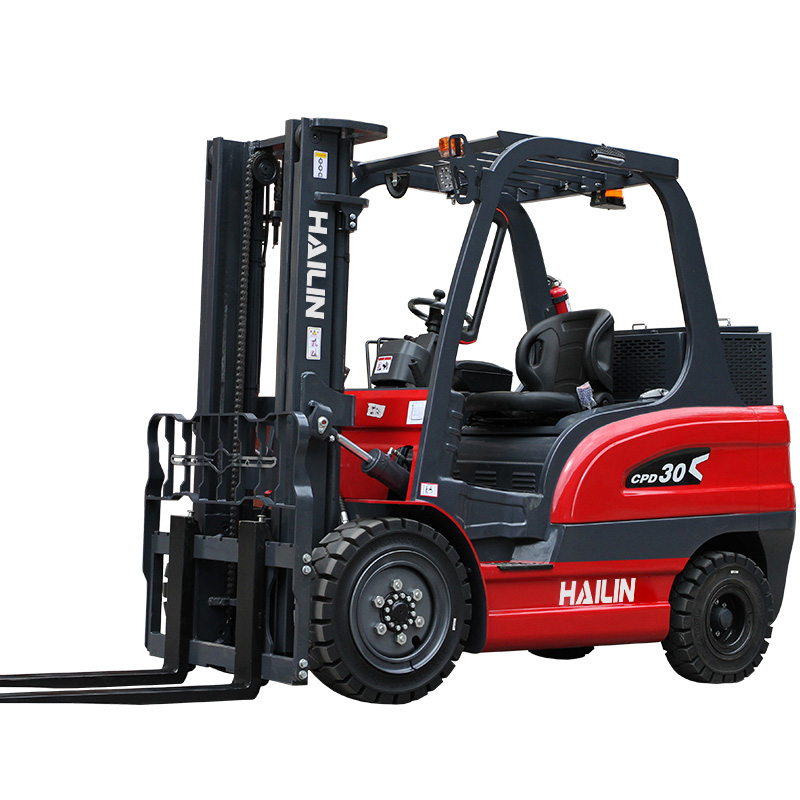

If you have ever watched a forklift moving through a warehouse, you probably noticed something interesting. Even when it looks fast, it is actually moving much slower than a normal car or truck. That naturally leads to the question: how fast does a forklift go? The answer depends on several factors, including the forklift type, load size, environment, and safety restrictions. Most forklifts are designed for lifting and transporting heavy materials rather than racing across a warehouse floor. In reality, speed is often intentionally limited to reduce accidents and improve workplace safety.
Recent industry reports show that standard warehouse forklifts usually travel between 8 and 12 mph, while larger outdoor diesel forklifts may reach 15 to 18 mph under ideal conditions. Specialized equipment such as pallet jacks or reach trucks often operate at even slower speeds because they work in narrow aisles and crowded storage environments.
Think about a forklift like a heavyweight powerlifter instead of a sports car. Its job is to carry massive loads safely and precisely. Speed becomes secondary because one sudden turn or abrupt stop could shift thousands of pounds and create a dangerous situation. That is why forklift manufacturers focus heavily on balance, torque, steering control, and braking systems instead of top-end speed.
Understanding Typical Forklift Speeds
Average Speed of Electric Forklifts
Electric forklifts are among the most common machines used inside warehouses and distribution centers. These forklifts are typically quieter, cleaner, and easier to maneuver in tight indoor spaces. Most electric forklifts have a top speed ranging from 6 to 12 mph, depending on the model and operating conditions. Some advanced warehouse forklifts can briefly exceed those numbers, but safety systems usually prevent them from reaching excessive speeds.
One reason electric forklifts stay relatively slow is because they are designed for precision work. Operators often need to navigate narrow aisles, stack pallets at high elevations, and avoid nearby pedestrians. Imagine trying to park a heavy truck in a crowded supermarket aisle while carrying several thousand pounds above ground level. That is essentially what many forklift operators do every day. Speed in those situations becomes less important than smooth control and accurate handling.
Battery efficiency also plays a major role. Faster speeds drain power more quickly, reducing operational time between charges. Warehouse managers usually prefer consistent, controlled movement rather than short bursts of speed that increase maintenance costs and battery wear. Modern electric forklifts often use programmable electronic controllers that allow companies to customize speed limits depending on the work environment.
Another interesting detail is that many electric forklifts automatically reduce speed when the forks are elevated. This helps maintain stability and lowers the risk of tipping. In high-rack warehouses where loads are lifted 20 or 30 feet in the air, even small increases in speed can become dangerous. That is why manufacturers engineer electric forklifts to prioritize stability over velocity.
Average Speed of Diesel and LPG Forklifts
Diesel and LPG forklifts are generally faster than electric models because they are commonly used outdoors or in larger industrial yards. Standard diesel forklifts typically reach speeds between 10 and 18 mph, while some heavy-duty outdoor forklifts can exceed 20 mph under specific conditions.
These forklifts operate in environments with more open space, fewer tight corners, and longer travel distances. Construction sites, shipping yards, lumber facilities, and container terminals often require forklifts to move materials over larger areas. In those settings, slightly higher speeds improve efficiency and reduce transport times.
Still, there are limits. Even powerful diesel forklifts are not built like highway vehicles. Their steering systems, braking characteristics, and load distribution make high-speed driving risky. The heavy counterweights at the back and large loads at the front create unique handling challenges. A forklift turning too quickly while carrying a raised load can tip over surprisingly fast.
Operators also need to consider terrain. Uneven outdoor surfaces, gravel, wet concrete, or slopes can dramatically affect safe travel speeds. A forklift moving comfortably at 15 mph on smooth pavement may become unstable at half that speed on rough terrain. This is why experienced operators constantly adjust speed based on environmental conditions rather than simply driving at maximum throttle.
Why Forklifts Are Not Built for High Speeds
Stability and Center of Gravity
Forklifts are fundamentally different from passenger vehicles because their entire structure revolves around lifting heavy objects. The machine’s center of gravity changes every time a load is picked up, raised, tilted, or lowered. That shifting balance is one of the biggest reasons forklifts are intentionally speed-limited.
A forklift carrying several thousand pounds behaves a bit like a person balancing a refrigerator while riding a skateboard. Even small movements can quickly destabilize the machine if the operator turns too sharply or brakes too aggressively. The faster the forklift moves, the greater the momentum acting on the load. That momentum increases stopping distances and raises the risk of tip-overs.
The rear-wheel steering system used on most forklifts also contributes to instability at higher speeds. Unlike cars that steer from the front wheels, forklifts pivot from the rear, allowing tighter turns in confined spaces. While this improves maneuverability, it also makes forklifts feel less stable during rapid movement. Sharp turns at high speeds can swing the rear end unexpectedly and cause the forklift to overturn.
Manufacturers carefully design forklifts to balance lifting capability with safe handling. Increasing speed significantly would require major structural changes, including wider wheelbases, different suspension systems, and more advanced braking technology. For warehouse operations, those changes simply are not practical or necessary.
Warehouse Safety Concerns
Warehouse environments are filled with hazards that make high-speed forklift travel dangerous. Workers on foot, blind corners, stacked inventory, narrow aisles, and constant traffic all create situations where operators must react quickly. According to workplace safety experts, forklifts must always operate at speeds that allow them to stop safely under existing conditions.
Imagine driving through a busy shopping mall while carrying a giant stack of boxes that blocks part of your vision. That is similar to operating a forklift inside a crowded warehouse. Even at relatively low speeds, accidents can happen if operators lose focus or misjudge distances.
Forklift collisions can cause severe injuries, damaged inventory, and costly downtime. Because forklifts are extremely heavy, even a low-speed impact can produce tremendous force. That is why many facilities establish strict speed limits of 3 to 5 mph in pedestrian-heavy areas and intersections.
Some warehouses even install automatic speed-control systems that slow forklifts near crosswalks, corners, or loading docks. These technologies help reduce human error while improving overall workplace safety. In many ways, modern forklift management resembles traffic control systems used in busy cities.
Forklift Speed by Type
Reach Trucks
Reach trucks are designed for narrow aisles and high stacking operations. Their typical speed ranges from 6 to 9 mph, although many warehouses program them even lower.
These machines focus heavily on vertical lifting rather than horizontal travel. Operators may lift pallets dozens of feet into storage racks while maneuvering through extremely tight spaces. At those heights, even small vibrations or sudden movements become magnified. That is why reach trucks emphasize precision over speed.
Many reach trucks also include electronic controls that automatically reduce speed when the mast is extended. This prevents instability and helps operators maintain better control during high-level stacking operations.
Pallet Jacks and Order Pickers
Electric pallet jacks and order pickers are usually among the slowest warehouse vehicles. Most travel between 3 and 6 mph because operators often work alongside pedestrians and handle individual inventory items.
Order pickers present unique safety concerns because the operator platform itself may be elevated high above the ground. In those situations, sudden acceleration or sharp turns could easily cause falls or dropped inventory. Slower speeds help minimize those risks while improving picking accuracy.
Rough Terrain Forklifts
Rough terrain forklifts are commonly used on construction sites, farms, and outdoor industrial projects. These forklifts often travel faster than indoor warehouse models because they operate across larger areas. Some heavy-duty rough terrain forklifts can approach 20 to 25 mph without loads.
Still, terrain conditions heavily influence actual operating speed. Mud, gravel, uneven surfaces, and slopes force operators to slow down significantly. Safety remains the priority even when the machine itself is capable of higher speeds.
Factors That Affect Forklift Speed
Load Weight
The heavier the load, the slower the forklift should travel. Large loads increase stopping distance and reduce stability during turns. Operators carrying maximum-capacity loads often reduce speed to 3 to 7 mph to maintain safe handling.
Heavy loads also place additional stress on tires, brakes, and steering systems. Driving too quickly while fully loaded increases wear and raises the chance of mechanical failure.
Floor Conditions
Warehouse floors may look smooth, but small imperfections can greatly affect forklift performance. Wet surfaces, loose debris, oil spills, or damaged concrete all reduce traction. OSHA specifically recommends slowing down on slippery floors and obstructed routes.
Outdoor environments introduce even more variables. Rain, gravel, snow, and uneven terrain require constant speed adjustments. Experienced operators learn to read surface conditions almost instinctively.
Tire Type and Maintenance
Forklift tires significantly influence travel speed and stability. Cushion tires commonly used indoors provide smooth movement on concrete but perform poorly on rough surfaces. Pneumatic tires used outdoors handle uneven terrain better but may reduce maneuverability in tight spaces.
Worn tires also decrease traction and increase stopping distances. Regular maintenance helps forklifts operate safely and efficiently at their intended speeds.
Operator Experience
An experienced forklift operator understands how to balance productivity with safety. New operators often struggle with load control, cornering, and braking distances. That is why proper training is essential for maintaining safe speeds in busy work environments.
Skilled operators know when to slow down, when to approach cautiously, and how to adapt to changing conditions. Their judgment often matters more than the forklift’s maximum speed itself.
OSHA Rules and Forklift Speed Limits
Does OSHA Set a Maximum Speed?
Interestingly, OSHA does not establish a universal forklift speed limit. Instead, regulations state that forklifts must operate at speeds allowing them to stop safely under current conditions.
That flexible approach makes sense because forklift environments vary dramatically. A quiet outdoor lumber yard has very different risks compared to a crowded e-commerce warehouse packed with workers and inventory.
Many companies create their own internal speed policies based on risk assessments. Common warehouse limits include:
| Area | Common Speed Limit |
|---|---|
| Open warehouse aisles | 5–7 mph |
| Pedestrian zones | 3–5 mph |
| Blind corners | Under 3 mph |
| Outdoor yards | 10–15 mph |
Safe Operating Practices
Safe forklift operation involves much more than following a posted speed limit. Operators must maintain visibility, sound horns at intersections, keep loads low during travel, and reduce speed when turning. OSHA guidelines emphasize awareness, control, and safe stopping distances rather than raw speed numbers.
Many modern warehouses now combine operator training with telematics systems that monitor speed, impacts, and driving behavior. These systems help managers identify unsafe habits before accidents occur.
Indoor vs Outdoor Forklift Speeds
Warehouse Operations
Indoor warehouse operations demand slower speeds because of limited space and high pedestrian activity. Forklifts frequently stop, reverse, turn sharply, and interact with workers on foot. Even small increases in speed can dramatically raise accident risks.
Most warehouses intentionally cap forklift speeds using electronic governors. Some facilities even reduce speeds automatically near intersections or high-risk areas.
Construction and Yard Operations
Outdoor operations usually allow higher travel speeds because there is more open space and fewer obstacles. Shipping yards, lumber facilities, and construction sites often prioritize moving materials across longer distances efficiently.
Still, outdoor forklifts face other challenges such as weather, rough terrain, and visibility issues. Operators must constantly adapt their driving style to changing environmental conditions.
Can Forklifts Be Speed Limited?
Electronic Speed Governors
Yes, many forklifts include electronic speed governors that restrict maximum travel speed. Managers can often customize these settings based on the facility layout, operator skill level, or safety policies.
Speed governors are especially common in large warehouses where reducing accidents and inventory damage is critical. Some forklifts even use programmable profiles that change speed limits automatically depending on who is operating the machine.
Smart Fleet Management Systems
Modern forklift fleets increasingly rely on smart management technology. These systems monitor operator behavior, travel speed, impacts, braking patterns, and maintenance needs in real time.
Think of it like a fitness tracker for forklifts. Managers gain detailed insights into how equipment is being used and can quickly identify unsafe driving habits. Some systems automatically slow forklifts in designated zones or after detecting unsafe behavior.
How Fast Is Too Fast for a Forklift?
The answer depends entirely on the environment, load, and operating conditions. In a quiet outdoor yard, 15 mph might feel perfectly manageable. Inside a crowded warehouse aisle, even 6 mph can become dangerous.
A good rule of thumb is simple: if the operator cannot stop safely and maintain full control, the forklift is moving too fast. Speed should always match the conditions, not the machine’s maximum capability.
One of the biggest mistakes companies make is focusing only on productivity numbers while ignoring safety risks. A slightly faster forklift might save a few seconds per trip, but one serious accident can shut down operations for hours or even days.
Productivity vs Safety in Material Handling
Warehouse managers constantly balance speed with efficiency. Faster forklifts may seem beneficial at first glance, but excessive speed often leads to damaged inventory, equipment wear, and workplace accidents.
Interestingly, studies and real-world warehouse discussions show that slowing forklifts too aggressively can also reduce productivity without significantly improving safety. The goal is not to make forklifts painfully slow but to establish realistic operating speeds that match the work environment.
Smart companies focus on workflow optimization instead of simply increasing travel speed. Better warehouse layouts, clearer traffic lanes, improved visibility, and operator training often deliver larger productivity gains than faster forklifts ever could.
This balance is similar to driving in city traffic. Aggressive speeding rarely saves much time because traffic lights, congestion, and intersections limit overall efficiency anyway. Warehouses function in much the same way.
Choosing the Right Forklift for Your Speed Needs
Selecting the right forklift involves understanding your operational priorities. If your facility handles tight indoor storage with heavy pedestrian traffic, a highly maneuverable electric forklift with moderate speed is usually the best option.
For outdoor yards or large industrial sites, diesel or rough terrain forklifts may provide better travel efficiency and durability. Businesses should also consider factors such as lift capacity, aisle width, terrain conditions, battery life, and maintenance costs.
Companies like HAILIN Forklift offer a wide range of electric, diesel, and rough terrain forklifts designed for different industries and working environments. Choosing the correct forklift type often improves both safety and productivity far more than simply chasing higher speed numbers.
Forklifts are powerful industrial machines built for lifting and transporting heavy loads safely, not for high-speed driving. Most forklifts operate between 6 and 18 mph, depending on the type, environment, and load conditions. Electric warehouse forklifts generally stay on the lower end of that range, while outdoor diesel forklifts may travel faster in open areas.
The real question is not how fast a forklift can go, but how fast it should go. Safety, stability, visibility, and workplace conditions always matter more than maximum speed. A well-trained operator driving at an appropriate speed will outperform reckless fast driving almost every time.
As warehouses become more advanced, technology such as speed governors, telematics, and smart safety systems continues to improve forklift management. The future of forklift operations is not about making forklifts faster. It is about making them smarter, safer, and more efficient.
FAQs
1. What is the average speed of a forklift?
Most forklifts travel between 8 and 12 mph, although some outdoor diesel models can reach 15 to 18 mph under ideal conditions.
2. Does OSHA have a forklift speed limit?
No. OSHA does not set a universal speed limit. Operators must drive at speeds that allow safe stopping and full control.
3. Why are forklifts slower than cars?
Forklifts prioritize lifting power, balance, and maneuverability instead of speed. Their shifting center of gravity makes high-speed operation unsafe.
4. Can forklift speeds be electronically controlled?
Yes. Many forklifts include programmable speed governors and fleet management systems that limit speed automatically.
5. What forklift type is usually the fastest?
Large outdoor diesel or rough terrain forklifts are generally the fastest, sometimes reaching up to 20 mph or more without loads.