

Forklifts may look simple from the outside, but they are among the most dangerous machines in warehouses, factories, logistics hubs, and construction sites. One moment of mechanical failure can turn an ordinary workday into a costly disaster. That is exactly why forklift inspections are not just “extra paperwork” or another box to tick off before starting a shift. They are a frontline safety defense that protects operators, pedestrians, inventory, and entire businesses from preventable accidents.
According to the Occupational Safety and Health Administration (OSHA), forklifts must be inspected at least once daily before being placed into service. In facilities operating around the clock, inspections are required after each shift. This rule exists because forklifts operate under constant stress. Tires wear down, hydraulic hoses crack, brakes weaken, forks bend, and warning systems fail over time. Without inspections, those issues remain invisible until something goes terribly wrong.
Think about a forklift like an airplane. Pilots do not simply jump into the cockpit and take off because the plane “worked yesterday.” They conduct inspections every single flight. Forklift operators should adopt the same mindset. Even a tiny hydraulic leak or worn tire can affect lifting stability and steering performance. In busy warehouses where operators maneuver through narrow aisles carrying tons of material, that risk multiplies quickly.
Modern businesses are also under increasing pressure to maintain safety compliance. OSHA forklift violations remain among the most common warehouse safety citations in the United States. Companies that fail to document inspections properly can face penalties, downtime, lawsuits, insurance complications, and reputational damage. A five-minute inspection can save thousands of dollars and potentially save lives.
Why Forklift Inspections Matter More Than Most Operators Think
Many forklift operators become comfortable with the machines they use every day. Familiarity creates confidence, but it can also create dangerous complacency. When workers use the same forklift shift after shift without problems, they may assume the equipment is always safe. That assumption is exactly what inspections are designed to prevent.
A forklift works in harsh environments. Dust, moisture, uneven surfaces, temperature changes, overloaded pallets, and long operating hours all place stress on components. Even premium forklifts from brands like Toyota Industries, Caterpillar Inc., or HUAYA require consistent inspections because wear and tear is unavoidable. Reliability does not eliminate the need for safety checks; it simply reduces the frequency of major failures.
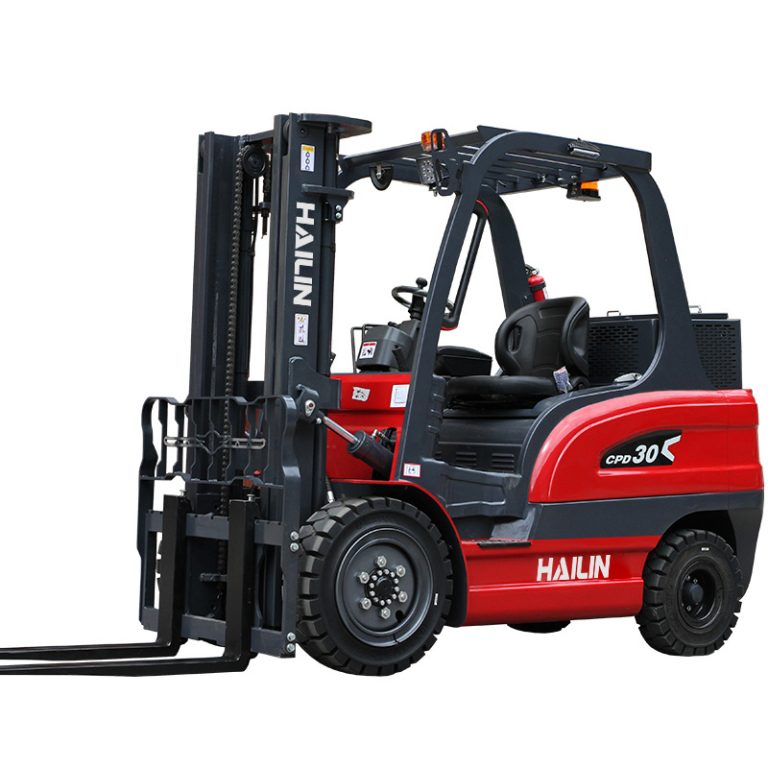
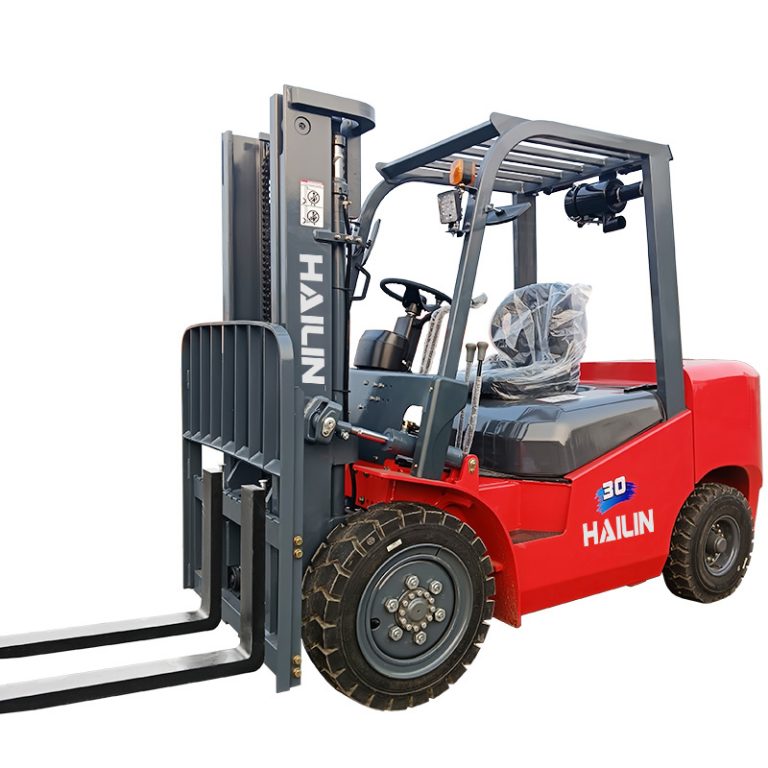
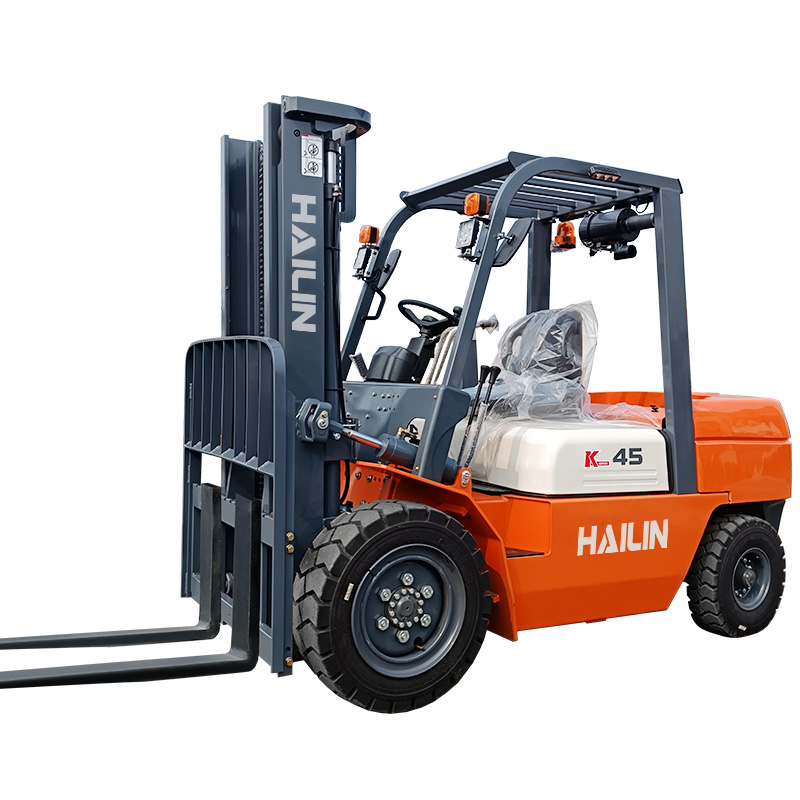
Even reliable forklift brands still require strict daily inspections. For example, Hailin Forklift include diesel forklifts, electric forklifts, LPG forklifts, and rough terrain forklifts designed for warehouses, factories, and outdoor industrial environments. Hailin forklifts are built for heavy-duty material handling, but like all industrial equipment, components such as hydraulic systems, mast chains, brakes, and tires experience wear over time. Operators who inspect forklifts carefully before each shift can detect early signs of damage before they affect safety or productivity.
The Hidden Risks of Skipping Inspections
One of the biggest problems in warehouses is that some operators see inspections as an obstacle to productivity. Under pressure to move inventory quickly, workers may rush through checklists or skip them entirely. On the surface, this may seem harmless, especially when the forklift appears to be running normally. The reality is far more dangerous.
A forklift with worn brakes may still stop during light use but fail during emergency braking. A cracked hydraulic hose may hold pressure during startup but burst under heavy lifting conditions. A damaged fork may support small loads but collapse under maximum capacity. These failures rarely happen with warning signs visible during operation. They build quietly until the exact wrong moment.
Industry discussions and safety professionals frequently mention “pencil-whipping” inspections, where operators mark inspection forms without actually checking equipment. This practice creates a false sense of security and increases legal liability after accidents. If an incident occurs and inspection logs are found to be inaccurate, regulators may interpret the violation as intentional negligence rather than simple oversight.
How Small Mechanical Problems Become Major Accidents
Forklift accidents rarely start as catastrophic failures. Most begin with small overlooked issues. Imagine driving a car with slightly soft brakes every day. Eventually, the stopping distance increases enough to create a collision. Forklifts operate the same way, except the consequences are amplified because of their weight and lifting capability.
OSHA estimates that forklifts contribute to roughly 85 workplace fatalities and tens of thousands of injuries annually. Many of these accidents involve problems that inspections could have detected earlier. Poor tire condition affects stability. Damaged forks increase the chance of dropped loads. Faulty backup alarms put pedestrians at risk. Steering defects make tight turns dangerous in crowded warehouses.
Forklift inspections are not merely about compliance. They are about catching small problems before they become catastrophic failures. A five-minute walkaround inspection can prevent weeks of downtime, equipment repair costs, workers’ compensation claims, and legal investigations.
OSHA Forklift Inspection Requirements Explained
The most commonly asked question is simple: how often are forklift inspections legally required? OSHA provides a very direct answer. Forklifts must be examined daily before being placed into service, and forklifts operating continuously must be examined after each shift.
What OSHA Says About Daily Forklift Inspections
OSHA standard 29 CFR 1910.178(q)(7) specifically states that industrial trucks must be examined before being placed in service and shall not be used if conditions affect safety. This means inspections are not optional recommendations. They are legal obligations.
Here is a quick breakdown of OSHA inspection expectations:
| Forklift Usage Type | Inspection Frequency |
|---|---|
| Single-shift operation | At least once daily |
| Multi-shift operation | Before each shift |
| 24-hour continuous operation | After every shift |
| After repairs | Before returning to service |
This standard applies across industries including warehousing, manufacturing, freight handling, retail distribution, ports, and construction. Whether the forklift is electric, diesel, LPG, or rough terrain, the inspection requirement remains the same.
Pre-Shift vs Post-Shift Inspections
Pre-shift inspections happen before the forklift begins work. Operators check visible conditions and operational systems to ensure safe use. These inspections are the most important because they identify hazards before operation begins.
Post-shift inspections, while not always legally required in single-shift environments, are still highly recommended. They allow operators to document issues discovered during operation so maintenance teams can respond quickly. In multi-shift facilities, the outgoing operator’s report helps the incoming operator understand equipment condition.
Many companies combine both approaches. Operators complete a detailed pre-shift inspection and log any issues discovered during the shift before parking the forklift. This creates a continuous safety cycle and improves communication between operators and maintenance personnel.
How Often Should Operators Inspect Their Forklift?
The short answer is every day before use. But in real-world operations, inspection frequency often depends on how intensively the forklift is used.
Daily Inspections
Daily inspections are the baseline requirement. Even if a forklift only operates for a few hours, it still needs inspection before service. OSHA clearly states this expectation.
Daily inspections usually take between five and fifteen minutes depending on equipment type. That small investment of time dramatically reduces accident risks. Operators typically check:
- Tires
- Forks
- Mast chains
- Hydraulic systems
- Brakes
- Steering
- Warning lights
- Horn
- Seat belts
- Fluid levels
- Backup alarms
Skipping these checks because “the forklift worked yesterday” is like skipping a parachute inspection because the last jump went fine. Safety does not work on assumptions.
Multi-Shift and 24-Hour Operations
Warehouses operating around the clock face additional challenges. Forklifts used continuously experience much faster wear than equipment used in single-shift environments. Heat buildup, repeated loading cycles, and constant movement accelerate component fatigue.
That is why OSHA requires inspections after each shift in round-the-clock operations. A forklift used by three different operators in one day may receive three separate inspections. This system ensures problems discovered during one shift are identified before another operator takes over.
Large logistics operations using fleets from companies like Hyster-Yale Materials Handling or Jungheinrich AG often rely on digital inspection systems to streamline this process. Operators complete electronic checklists through tablets or onboard systems before equipment can start.
Inspections After Repairs or Maintenance
Whenever a forklift undergoes repairs, it should be inspected again before returning to service. Maintenance fixes one problem, but operators still need to verify overall safety. A replaced hydraulic hose, for example, does not guarantee the entire hydraulic system is leak-free.
After maintenance, operators should pay extra attention to:
- Fluid leaks
- Steering response
- Brake performance
- Mast movement
- Warning alarms
- Attachment operation
This secondary inspection acts as quality control. It confirms repairs were successful and prevents unsafe equipment from re-entering the workplace.
What Operators Should Check Before Using a Forklift
A proper forklift inspection includes both visual checks and operational testing. Both stages matter because some issues are visible while others only appear during operation.
Visual Inspection Checklist
The visual inspection happens before starting the forklift. Operators walk around the machine and look for obvious signs of wear, damage, or leaks.
Tires, Forks, and Hydraulic Systems
Forklift tires play a critical role in stability. Worn or damaged tires affect traction, load balance, and braking distance. Cushion tires commonly used indoors may develop chunking or flat spots, while pneumatic tires on rough terrain forklifts may suffer cuts or pressure loss.
Forks should also be examined carefully. Bent forks, uneven fork height, cracks, or worn heels compromise lifting safety. Since forks carry the entire load weight, even small defects can become catastrophic under heavy loads.
Hydraulic systems deserve special attention because forklifts rely heavily on hydraulic pressure for lifting and tilting. Operators should inspect hoses, cylinders, and connectors for leaks or damage.
Leaks, Chains, and Warning Labels
Leaks may seem minor at first, but they often indicate developing mechanical problems. Hydraulic fluid leaks can reduce lifting performance and create slippery hazards on warehouse floors.
Chains should never appear loose, rusted, or excessively worn. Mast chains support the lifting system, so damage here is extremely dangerous.
Warning labels and capacity plates are also part of the inspection. OSHA requires safety decals and nameplates to remain visible and legible. Operators must confirm the forklift’s rated capacity matches intended loads.
Operational Inspection Checklist
After the visual check, operators start the forklift and test functional systems.
Brakes, Steering, and Horn
Brakes are among the most critical safety systems. Operators should verify smooth stopping response without pulling or delayed engagement. Steering should feel responsive and stable.
The horn may seem simple, but in noisy warehouses it becomes a primary pedestrian warning tool. A nonfunctional horn dramatically increases collision risk.
Lights, Alarms, and Controls
Forklift lights improve visibility in dim warehouses and loading docks. Backup alarms alert nearby workers when the forklift reverses. Operators should test these systems before operation begins.
Lift controls should move smoothly without jerking or hesitation. Unusual vibrations, sounds, or delayed responses often signal developing mechanical issues.
Common Forklift Inspection Mistakes
Even companies with formal safety programs make inspection mistakes. The most dangerous issue is not usually lack of knowledge; it is lack of consistency.
Pencil-Whipping Inspection Sheets
Some operators complete inspection forms without actually checking the forklift. Safety professionals commonly refer to this as “pencil-whipping.”
This usually happens when workers feel rushed or believe inspections are unnecessary. Unfortunately, fake inspections create massive liability risks. After an accident, inaccurate records can severely damage a company’s legal defense.
Managers must reinforce that inspections are real safety procedures, not paperwork exercises.
Ignoring Minor Damage
Another common mistake is dismissing small defects because the forklift still functions. Operators may ignore slightly worn tires, slow hydraulic movement, or weak brakes because the equipment remains usable.
Minor issues rarely stay minor. Forklifts operate under heavy loads and repeated stress. Small defects often worsen quickly under demanding conditions.
Strong safety cultures encourage operators to report problems immediately without fear of slowing production.
Electric vs Diesel Forklift Inspection Differences
Inspection procedures vary slightly depending on forklift type.
Battery Inspection for Electric Forklifts
Electric forklifts dominate indoor warehouses because they produce no exhaust emissions and operate quietly. Brands like BYD Company and Toyota Industries continue expanding electric forklift technology worldwide.
Operators inspecting electric forklifts should focus on:
- Battery charge levels
- Cable condition
- Connector damage
- Battery restraints
- Electrolyte levels
- Corrosion buildup
Damaged battery systems create electrical hazards and reduce operating performance.
Fuel and Engine Checks for Diesel Forklifts
Diesel forklifts, including many heavy-duty models from HUAYA and Caterpillar Inc., require additional engine-related inspections.
Operators should examine:
- Fuel levels
- Engine oil
- Coolant
- Exhaust systems
- Belts and hoses
- Radiator condition
Diesel forklifts often operate outdoors or in demanding industrial environments, making engine inspections especially important.
The Role of Digital Inspection Systems
Technology is transforming forklift safety programs. Many businesses are replacing paper inspection sheets with digital systems.
Paper Checklists vs Mobile Inspection Apps
Paper inspections still work, but they create challenges. Forms get lost, handwriting becomes unreadable, and records are difficult to organize during audits.
Digital inspection systems solve many of these issues. Operators complete inspections through tablets, mobile apps, or onboard vehicle systems. Some forklifts even prevent startup until inspections are completed.
Digital systems also improve accountability. Managers can track inspection completion rates, maintenance trends, and recurring defects more effectively.
For fast-growing warehouses handling large fleets, digital inspections are becoming the standard rather than the exception.
Building a Strong Forklift Safety Culture
Safety programs succeed when inspections become part of workplace culture rather than forced compliance.
Training Operators to Take Inspections Seriously
Operators should understand why inspections matter instead of simply memorizing checklists. Good training explains real-world accident scenarios and demonstrates how inspections prevent injuries.
Supervisors also play a major role. When managers prioritize production speed over safety checks, operators notice quickly. On the other hand, when leadership consistently reinforces inspection standards, compliance improves naturally.
A healthy forklift safety culture includes:
- Daily inspection accountability
- Easy reporting systems
- Fast maintenance response
- Refresher training
- Open communication
- Management support
Forklift inspections should never feel like wasted time. They are investments in operational reliability, worker safety, and long-term business success.
Forklift operators should inspect their forklifts every day before use, and in multi-shift operations, inspections should happen before each shift. OSHA regulations make this requirement clear because forklifts operate in high-risk environments where small mechanical problems can quickly become deadly hazards.
The best operators understand that inspections are not just about compliance. They are about responsibility. A proper inspection protects coworkers, prevents downtime, reduces repair costs, and helps businesses maintain safe operations. Whether using electric forklifts in warehouses or diesel forklifts on construction sites, inspection routines remain one of the most important safety practices in the material handling industry.
At the end of the day, forklifts are powerful tools. Like any powerful tool, they demand respect. And that respect starts with a careful inspection before turning the key.
FAQs
1. Does OSHA require forklift inspections every day?
Yes. OSHA requires forklifts to be inspected at least once daily before being placed into service. Forklifts used continuously must be inspected after each shift.
2. How long does a forklift inspection usually take?
Most forklift inspections take between 5 and 15 minutes depending on equipment type and inspection detail.
3. What happens if a forklift fails inspection?
The forklift should immediately be removed from service until repairs are completed and the equipment is safe to operate again.
4. Are digital forklift inspections better than paper checklists?
Digital inspections improve recordkeeping, accountability, and audit preparation, especially for companies managing large forklift fleets.
5. Who is responsible for forklift inspections?
The forklift operator is usually responsible for conducting pre-shift inspections, while supervisors and maintenance teams ensure repairs and compliance are handled properly.