

Forklifts are the backbone of warehouses, construction sites, factories, ports, and logistics centers. They move heavy loads that human hands simply cannot handle efficiently. Yet operating a forklift truck is not as simple as driving a car. One wrong move can damage expensive goods, injure workers, or even cause fatalities. Recent safety reports show that forklift accidents remain a serious workplace issue, with tip-overs and visibility problems among the leading causes of injuries worldwide.
Learning how to operate a forklift truck properly is about more than productivity. It is about responsibility, awareness, and developing safe habits that protect both operators and nearby workers. Whether you are a beginner looking to understand the basics or a business owner training warehouse staff, this guide explains everything in a practical and easy-to-understand way.
Understanding What a Forklift Truck Does
A forklift truck is a powered industrial vehicle designed to lift, carry, stack, and transport heavy materials over short distances. Imagine trying to move thousands of kilograms of pallets manually inside a warehouse. It would take multiple workers, several hours, and a massive amount of physical effort. A forklift transforms that difficult task into something manageable within minutes. That is why forklifts are essential in industries such as logistics, manufacturing, shipping, retail, and construction.
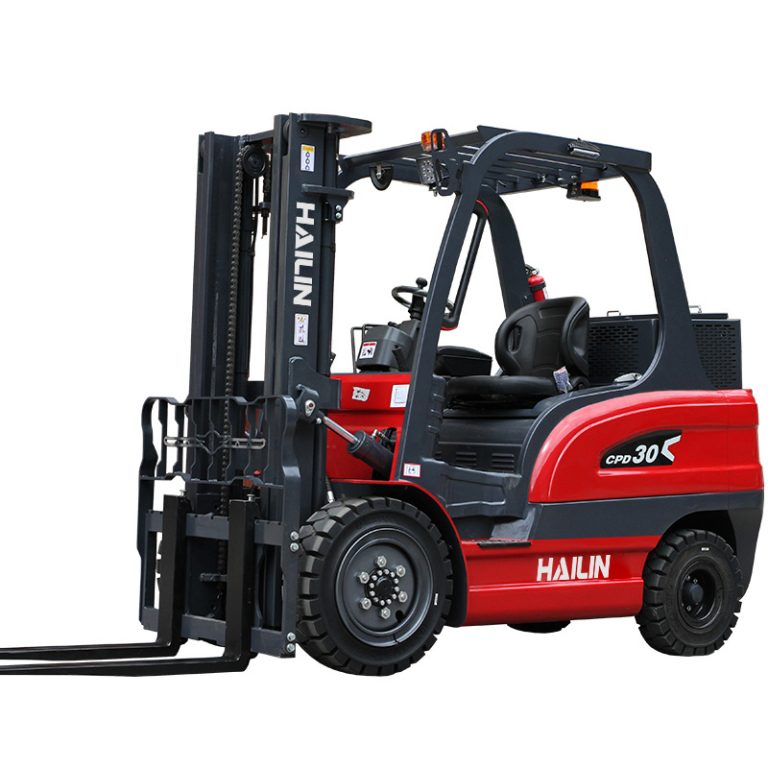
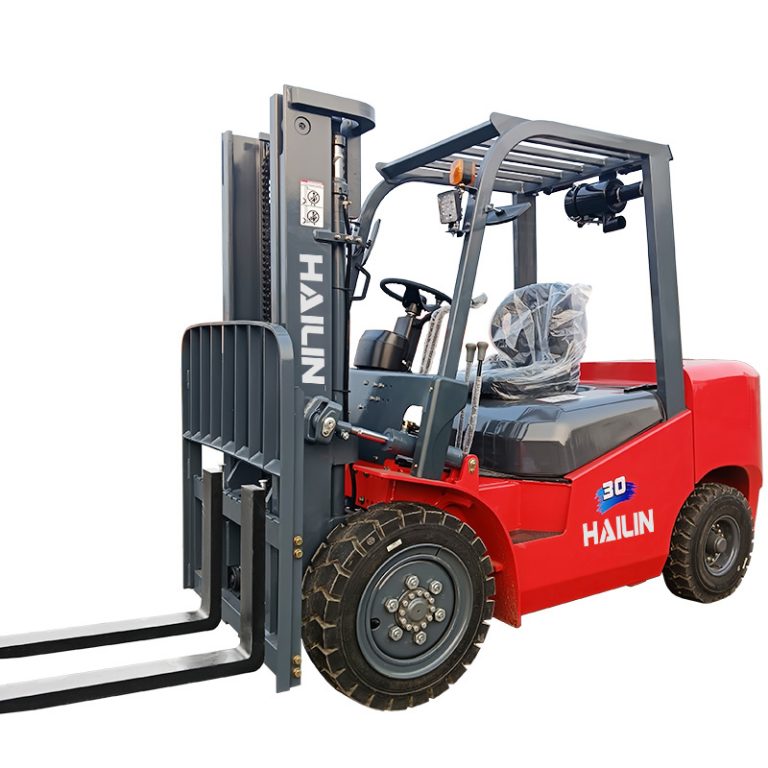
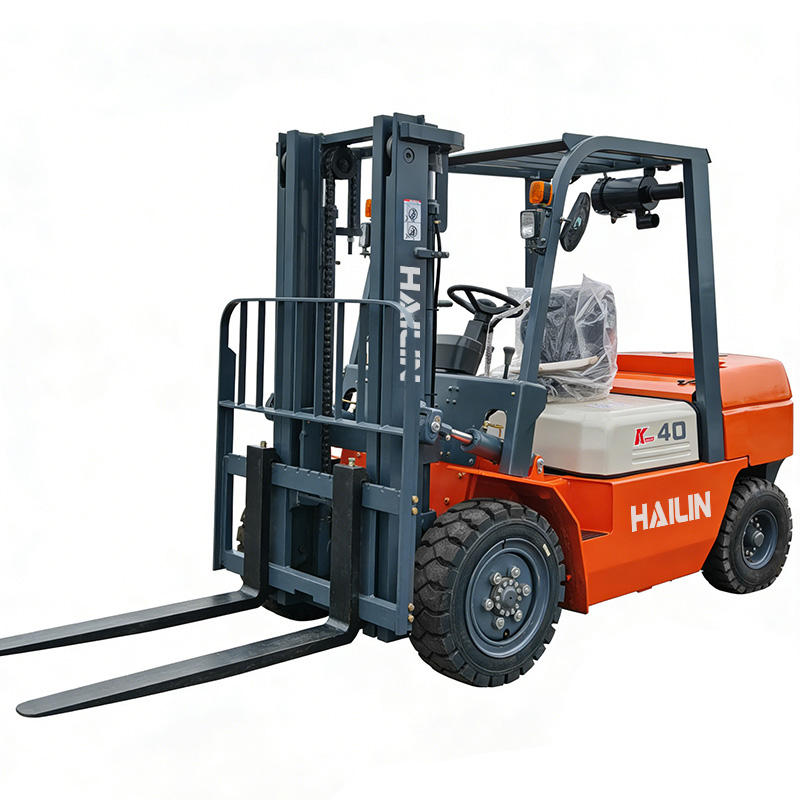
The modern forklift may look simple from the outside, but it combines several systems working together. Hydraulic lifting systems raise loads vertically, counterweights maintain balance, and specially designed forks slide under pallets to move goods safely. Operators must understand how these systems interact because forklift stability depends heavily on load distribution. A forklift carrying an improperly balanced load behaves like a seesaw on uneven ground. Even a small mistake can shift the center of gravity and cause the machine to tip over.
There are many forklift varieties designed for specific environments. Electric forklifts are commonly used indoors because they are quieter and produce no exhaust emissions. Diesel forklifts are often preferred for outdoor heavy-duty applications due to their power and endurance. Rough terrain forklifts operate on uneven surfaces such as construction sites, while reach trucks specialize in high warehouse shelving systems. Understanding the differences helps operators choose the correct machine for the job rather than forcing unsuitable equipment into dangerous situations.
Forklift operation is not just about moving goods from one place to another. Skilled operators improve warehouse efficiency, reduce product damage, minimize downtime, and create safer work environments. Businesses that invest in proper forklift training often experience fewer accidents, lower maintenance costs, and smoother operations overall. In many ways, a forklift operator acts like the heartbeat of warehouse logistics because the entire workflow depends on their precision and awareness.
Why Forklift Safety Matters
Forklift safety is not optional. It is one of the most critical parts of industrial workplace management. Every year, thousands of workers worldwide suffer injuries related to forklift accidents, many of which could have been prevented through better training and safer operating practices. Reports published in 2026 show that forklift overturns remain one of the leading causes of forklift-related fatalities, accounting for roughly 25% of deaths in some safety studies.
One major reason forklift accidents happen is that operators often underestimate the machine. A forklift may move slower than a passenger car, but it can weigh several tons even before carrying a load. When fully loaded, stopping distance increases significantly. Turning too sharply or driving too fast can easily destabilize the vehicle. Unlike ordinary cars, forklifts steer from the rear wheels, which creates a tighter turning radius but also increases rollover risk during sudden maneuvers.
Visibility issues are another major safety concern. Studies indicate that poor visibility contributes heavily to warehouse accidents involving forklifts. Large loads can block the operator’s forward view entirely, forcing them to drive in reverse or rely on spotters. Busy warehouses filled with workers, shelving, and moving equipment create an environment where even minor distractions become dangerous. A pedestrian stepping into a blind spot for only a few seconds can lead to a devastating accident.
Safety culture also plays a massive role. Many workplace incidents occur because companies prioritize speed over safe operation. Reddit discussions from warehouse workers and safety professionals repeatedly highlight rushed schedules, overcrowded spaces, and insufficient training as major causes of forklift incidents. This shows that forklift safety is not just the operator’s responsibility. Employers, supervisors, and warehouse planners all contribute to creating safer environments.
The reality is simple. Every forklift operator carries enormous responsibility. One careless action can affect coworkers, inventory, equipment, and business operations. That is why proper forklift operation begins with safety awareness long before the engine starts.
Essential Forklift Components Every Operator Should Know
Before operating a forklift truck, operators must understand the machine’s major components and how they function together. Think of it like learning the controls of an airplane before takeoff. Without understanding the equipment, safe operation becomes impossible.
The mast is one of the most important forklift parts. This vertical assembly raises and lowers the load using hydraulic cylinders and chains. Attached to the mast are the forks, sometimes called tines, which slide beneath pallets or loads. Operators must always ensure the forks are evenly spaced and fully inserted beneath the load before lifting. Uneven fork positioning creates instability and increases the risk of dropped materials.
The counterweight sits at the rear of the forklift and balances the load being carried at the front. This component is essential because forklifts operate on a carefully controlled center of gravity system. Removing or modifying the counterweight is extremely dangerous and should never happen. Forklift tires also play a critical role in stability. Pneumatic tires are suitable for outdoor use on rough terrain, while cushion tires work better on smooth warehouse floors. Worn or damaged tires reduce traction and compromise safe handling.
Hydraulic controls allow operators to raise, lower, tilt, and position loads. These controls require smooth and deliberate movements. Jerking the controls suddenly can destabilize loads or shift materials unexpectedly. Steering systems are equally unique because forklifts use rear-wheel steering instead of front-wheel steering like cars. New operators often find this unusual at first because the rear of the forklift swings outward sharply during turns.
The overhead guard protects operators from falling objects, while seat belts help prevent crushing injuries during tip-overs. Surprisingly, some operators still avoid wearing seat belts, even though safety data consistently shows they reduce fatalities in overturn accidents. Understanding these components transforms forklift operation from guesswork into controlled, professional handling.
Pre-Operation Forklift Inspection
Every forklift shift should begin with a thorough inspection. Skipping this step is like driving a truck cross-country without checking the brakes. Mechanical problems caught early can prevent serious accidents, costly repairs, and workplace downtime.
The inspection should start with the tires. Operators must look for cracks, punctures, excessive wear, or low pressure. Tire damage affects stability and steering performance. Next comes the forks themselves. Bent, cracked, or uneven forks should never be used because they compromise load support. Hydraulic systems should also be checked for leaks, unusual noises, or slow lifting responses. Even a small hydraulic leak can eventually lead to lifting failure.
Operators should inspect fluid levels including engine oil, coolant, brake fluid, and hydraulic oil. Electric forklifts require battery inspections to ensure proper charge levels and cable conditions. Lights, horns, alarms, mirrors, and backup warning systems must all function correctly because communication inside busy warehouses often depends on these safety features.
Seat belts deserve special attention. In forklift tip-over accidents, operators who attempt to jump out are at high risk of being crushed by the vehicle. Wearing the seat belt and staying inside the protective frame offers the best survival chance. Safety experts consistently emphasize this point because overturn accidents remain a leading cause of fatalities.
A proper inspection is not about ticking boxes on a form. It is about creating a habit of awareness. Experienced operators often notice subtle changes in machine behavior before major failures occur. Strange vibrations, steering stiffness, or delayed hydraulic response may indicate underlying problems. Reporting these issues immediately protects everyone in the workplace and extends the forklift’s operational lifespan.
How to Start a Forklift Truck Properly
Starting a forklift safely begins before the ignition key turns. Operators should approach the forklift carefully and check the surrounding area for pedestrians, obstacles, or floor hazards. Climbing into the cab should always follow the three-point contact method, meaning two hands and one foot or two feet and one hand remain in contact with the vehicle at all times. This reduces slip-and-fall injuries during entry.
Once seated, operators should adjust the seat position, mirrors, and steering wheel for comfort and visibility. Proper posture reduces fatigue during long shifts and improves control accuracy. Fasten the seat belt immediately before starting the engine. Even experienced operators sometimes become complacent about this step, but safety statistics repeatedly show that seat belt use significantly lowers fatal injury risk in rollover incidents.
Before moving, operators should verify that the parking brake is engaged and all hydraulic controls are in neutral positions. Start the engine smoothly and listen for unusual sounds. Strange noises often indicate mechanical problems requiring maintenance attention. Once the forklift is running, test steering, brakes, horn, and hydraulic functions in a safe area before entering active warehouse traffic.
Patience matters during startup. New operators sometimes rush because they feel pressure to begin work quickly. That mindset creates dangerous shortcuts. Professional forklift operation is not about speed alone. It is about consistency, precision, and maintaining control at every stage.
Basic Forklift Driving Techniques
Driving a forklift requires completely different instincts compared to driving a normal car. Rear-wheel steering makes forklifts extremely maneuverable in tight spaces, but it also creates unique challenges. The rear end swings outward during turns, meaning operators must constantly monitor surrounding areas to avoid collisions.
Speed control is essential. Forklifts are not racing machines. Sudden acceleration or hard braking can destabilize loads and increase rollover risk. Operators should drive slowly, especially when carrying elevated loads or navigating narrow aisles. Wet floors, ramps, and uneven surfaces require even greater caution because traction decreases significantly under those conditions.
Loads should always remain low to the ground while traveling, typically a few inches above floor level. Raising loads too high while moving shifts the center of gravity upward, increasing the likelihood of tipping. Think of carrying a heavy ladder overhead while running. The higher the weight sits, the harder it becomes to maintain balance. The same principle applies to forklifts.
Operators must constantly scan their environment. Warehouses are dynamic spaces filled with pedestrians, pallet jacks, shelving, and moving machinery. Visibility issues contribute heavily to forklift accidents, especially when loads block the operator’s forward view. In such situations, driving in reverse or using a spotter becomes essential.
Good forklift driving also depends on anticipation. Experienced operators do not react suddenly because they constantly predict potential hazards before they develop. They notice blind corners, distracted pedestrians, and uneven floor surfaces early enough to adjust safely. That level of awareness separates professional forklift operators from careless drivers.
How to Lift and Transport Loads
Load handling is where forklift operation becomes both an art and a science. Improper load handling causes many workplace accidents, damaged products, and equipment failures. Operators must understand how weight distribution affects forklift stability before attempting heavy lifts.
The forks should be positioned evenly and spaced appropriately beneath the pallet. Insert the forks fully under the load whenever possible. Partial insertion creates imbalance and increases the risk of dropped materials. Once the load is secured, tilt the mast slightly backward to stabilize the cargo before lifting.
Every forklift has a maximum load capacity clearly displayed on its data plate. Exceeding this limit is extremely dangerous. Some operators mistakenly assume a forklift can handle heavier loads if lifted slowly, but physics does not negotiate. Overloading shifts the center of gravity forward and increases tip-over risk dramatically.
Loads should be raised only as high as necessary. Traveling with elevated loads reduces stability and blocks visibility. Operators should also avoid sudden directional changes while carrying heavy materials because momentum can shift the load unexpectedly. Uneven or loose cargo requires additional securing methods such as shrink wrap, straps, or specially designed attachments.
Communication becomes crucial in busy environments. Operators should use horns at intersections, maintain eye contact with nearby workers, and follow designated traffic routes whenever possible. Many warehouse incidents happen because operators and pedestrians misunderstand each other’s movements. Clear signaling and predictable driving patterns help eliminate confusion.
Safe load handling is ultimately about respecting the machine’s limitations. A forklift is powerful, but power without balance quickly becomes dangerous.
Operating a Forklift on Slopes and Ramps
Ramps and slopes introduce additional risks because gravity changes how the forklift behaves. Operators must adjust their driving techniques carefully when moving on inclines.
When carrying a load uphill, the load should always face uphill. This keeps the weight positioned toward the mast and improves stability. Driving downhill with the load leading can shift the center of gravity dangerously forward. If traveling downhill with a load, operators should reverse carefully while maintaining full control.
Turning on slopes should be avoided whenever possible. Forklifts are significantly more vulnerable to tipping on uneven or angled surfaces. Sudden steering inputs combined with gravity create unstable conditions very quickly. Operators should also reduce speed before approaching ramps because braking distances increase on inclines.
Surface conditions matter greatly. Wet ramps, loose gravel, oil spills, or damaged flooring reduce traction and increase sliding risk. Operators should inspect these areas visually before entering them. In outdoor applications such as construction sites, rough terrain forklifts may be necessary because standard warehouse forklifts are not designed for unstable surfaces.
Patience is the key to safe ramp operation. Experienced operators know that rushing on slopes often ends badly. Slow, smooth movements maintain balance and keep both the operator and surrounding workers safer.
Warehouse Forklift Safety Tips
Warehouse environments create unique forklift challenges because space is limited and traffic is constant. Pedestrian safety becomes especially important. Studies show that many forklift injuries involve nearby workers rather than operators themselves.
Clear warehouse traffic systems help reduce accidents. Separate pedestrian walkways, marked forklift lanes, mirrors at blind corners, and warning signs improve visibility and communication. Lighting also matters more than many people realize. Poorly lit aisles increase collision risks and make hazards harder to identify.
Operators should never carry passengers unless the forklift includes an approved passenger seat. Standing on forks or counterweights is extremely dangerous and has contributed to fatal incidents in multiple workplaces. Horseplay, racing, and distractions should never exist in forklift operations because industrial environments demand constant focus.
Fatigue management is another overlooked factor. Long shifts reduce reaction times and increase operator errors. Businesses that prioritize rest breaks, reasonable schedules, and ergonomic workstations often experience better safety outcomes. Forklift operation requires mental sharpness, not just physical ability.
Technology is also transforming warehouse safety. Modern forklifts increasingly use cameras, proximity sensors, telematics, and impact detection systems to reduce accidents. Research published in recent years highlights how advanced monitoring systems can improve collision detection and operational awareness. Still, no technology can replace careful human judgment.
Common Forklift Operating Mistakes to Avoid
Many forklift accidents happen because operators repeat the same avoidable mistakes. One of the most common errors is speeding. Warehouses often create pressure for faster productivity, but excessive speed reduces reaction time and increases stopping distance. Safety professionals repeatedly emphasize that rushing creates dangerous environments.
Another major mistake is lifting unstable or oversized loads without proper assessment. Operators sometimes assume they can “make it work,” especially during busy shifts. That mindset often leads to dropped pallets, damaged inventory, or tip-over accidents. Ignoring forklift capacity limits is equally dangerous.
Poor visibility management is another critical issue. Driving forward with blocked vision instead of reversing safely causes many collisions. Operators should never assume pedestrians can see or hear them clearly. Communication and awareness must remain active at all times.
Skipping inspections, neglecting maintenance warnings, or operating damaged forklifts also contribute heavily to accidents. Mechanical failures rarely happen without warning signs. Strange noises, hydraulic leaks, steering issues, and worn tires all signal potential hazards that should never be ignored.
Perhaps the most dangerous mistake is complacency. Experienced operators sometimes become overconfident after years without incidents. Familiarity can reduce caution, leading to shortcuts and risky habits. Forklift safety depends on maintaining consistent discipline every single shift.
Forklift Maintenance and Operator Responsibility
A forklift is only as safe as its maintenance condition. Operators and maintenance teams share responsibility for keeping equipment reliable and compliant with safety standards.
Routine servicing should include hydraulic system checks, brake inspections, tire replacement, battery maintenance, and engine diagnostics. Preventive maintenance costs far less than emergency repairs or accident-related downtime. Businesses that ignore maintenance often face higher long-term expenses due to breakdowns and safety violations.
Operators play an important role because they interact with the machine daily. They notice performance changes earlier than anyone else. Reporting issues immediately allows technicians to resolve problems before they escalate into dangerous failures. Safety investigations into serious forklift incidents frequently reveal maintenance gaps as contributing factors.
Cleanliness also matters more than many people think. Oil leaks, dirt buildup, and debris accumulation can interfere with controls and reduce visibility. A clean forklift is easier to inspect and maintain properly. Good operators treat their forklifts with the same care professional pilots give aircraft because both involve machinery where safety depends heavily on discipline and preparation.
Training should never stop after initial certification. Refresher courses help operators stay updated on safety regulations, new technologies, and improved operating practices. Warehouses evolve constantly, and operators must adapt alongside them.
Learning how to operate a forklift truck safely and efficiently requires more than understanding basic controls. It involves mastering equipment awareness, load handling, workplace communication, and hazard prevention. Forklifts are powerful machines capable of transforming warehouse productivity, but they also carry serious risks when handled carelessly.
The best forklift operators combine technical skill with constant awareness. They inspect equipment carefully, drive patiently, handle loads responsibly, and prioritize safety over speed. Businesses that support strong training programs and proper maintenance create safer, more productive work environments where both employees and operations thrive.
Forklift safety is not built from one big decision. It comes from hundreds of small choices made correctly every single day.
FAQs
1. Do you need a license to operate a forklift truck?
In many countries, forklift operators must complete certified training and obtain official authorization before operating equipment in workplaces. Requirements vary by region, but proper training is essential everywhere.
2. What is the most common forklift accident?
Tip-over accidents are among the leading causes of serious forklift injuries and fatalities. Poor load balance, excessive speed, and unsafe turning are common contributing factors.
3. How high should loads be carried while driving?
Loads should remain low to the ground, usually a few inches above the surface, to maintain forklift stability and improve visibility.
4. Why do forklifts steer from the rear wheels?
Rear-wheel steering allows forklifts to maneuver effectively in tight warehouse spaces and narrow aisles, though it requires different driving techniques compared to cars.
5. How often should forklifts be inspected?
Forklifts should be inspected daily before operation. Regular preventive maintenance schedules should also follow manufacturer recommendations and workplace safety regulations.