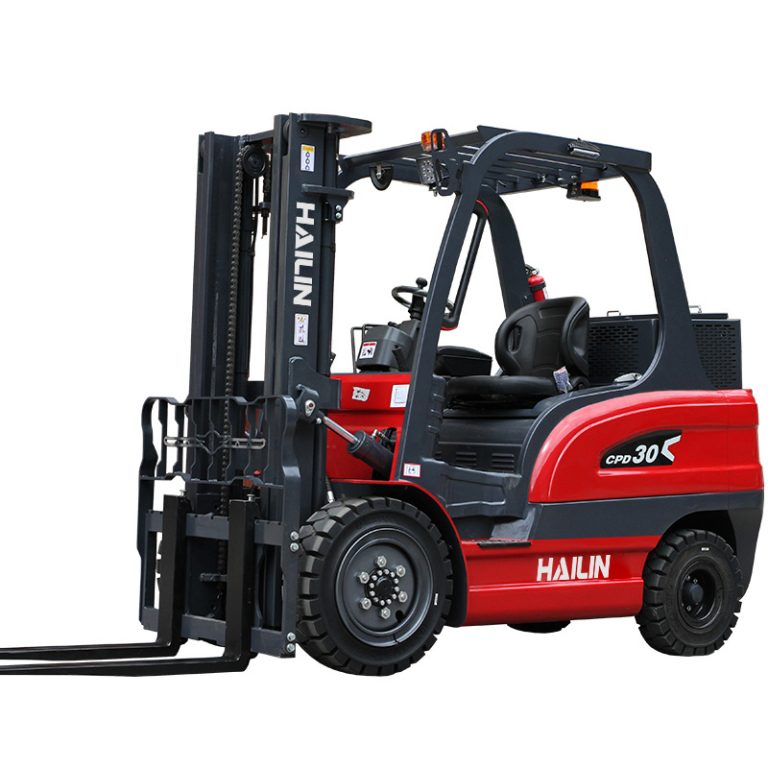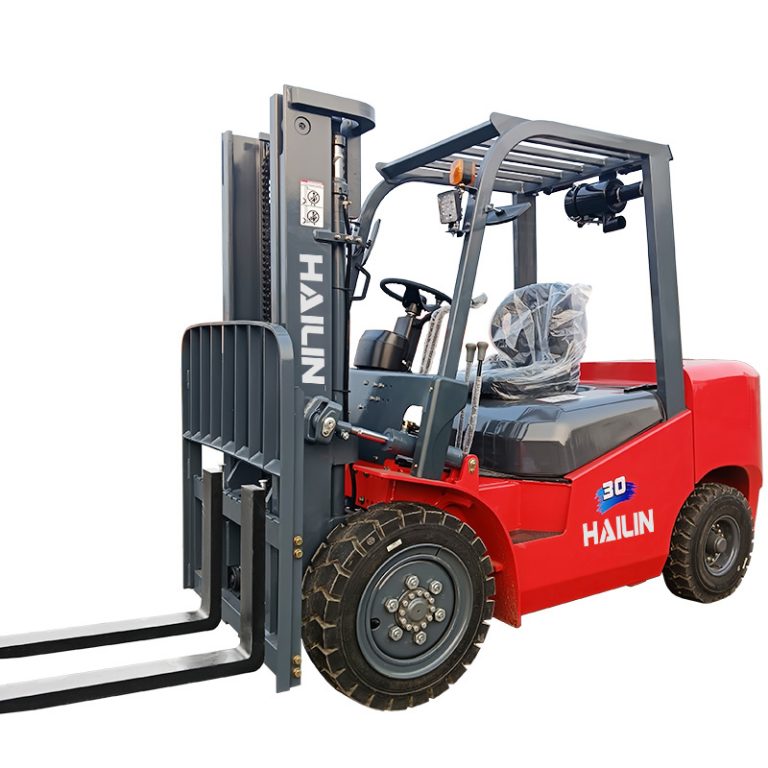


What Determines Forklift Weight
Forklift weight is not a random number—it is the result of engineering balance, safety design, and lifting capability requirements. At its core, a forklift must remain stable while lifting heavy loads, and that stability depends heavily on how much the machine itself weighs. Unlike passenger vehicles, forklifts are designed to counterbalance forces, meaning their own mass is part of the safety system.
Another important factor is the intended working environment. A compact warehouse forklift used in narrow aisles will naturally weigh far less than a rough terrain forklift designed for construction sites. Manufacturers carefully adjust materials, frame thickness, and counterweight systems to meet specific operational demands.
In modern logistics, forklift weight also plays a role in fuel efficiency, battery capacity, and floor load restrictions. A heavier machine may offer better stability but can limit indoor usage due to flooring limits. On the other hand, lighter forklifts are easier to maneuver but may have reduced lifting capacity. Understanding what determines forklift weight helps operators choose the right machine for performance and safety.
Counterweight Design and Stability
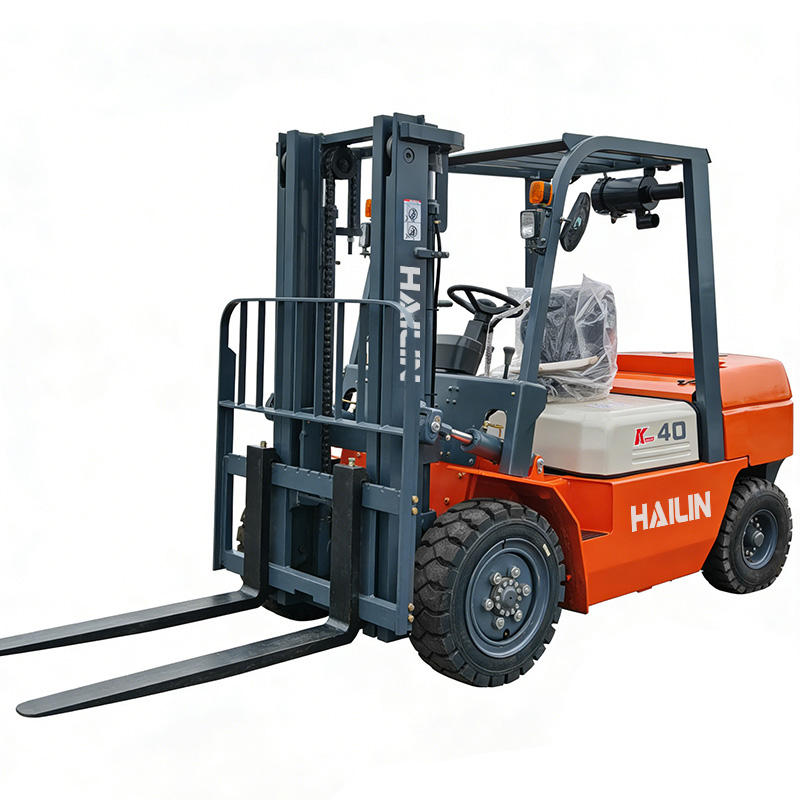
Counterweights are the hidden backbone of forklift stability. When a forklift lifts a heavy pallet, the machine must prevent tipping forward. This is achieved by placing heavy material—usually steel or iron—at the rear of the forklift. The heavier the load capacity, the larger the counterweight required.
This design principle means forklift weight is directly tied to lifting capability. A 3-ton forklift, for example, will have a significantly heavier frame than a 1.5-ton model, even if both look similar in size. Engineers must carefully calculate weight distribution so that the center of gravity remains stable during operation.
Counterweights are not just added randomly; they are precision-engineered components that ensure compliance with strict safety standards. Without them, forklifts would be unable to lift heavy loads safely without tipping over.
Steel Counterweights Explained
Steel remains the most common material used for forklift counterweights due to its density and durability. It allows manufacturers to pack maximum weight into a compact space, ensuring stability without increasing machine size excessively. In many industrial forklifts, the counterweight alone can weigh several hundred kilograms to multiple tons depending on capacity class.
Lift Capacity and Structural Reinforcement
Forklift weight increases as lifting capacity increases because stronger structural components are required. A forklift designed to lift 5 tons must have reinforced forks, thicker mast structures, and a more robust chassis compared to a smaller model.
This reinforcement naturally adds weight. It is not just about lifting power—it is about ensuring the entire structure can handle repeated stress cycles without failure. Every additional ton of lifting capacity requires proportional increases in steel thickness, hydraulic system strength, and chassis rigidity.
Load Rating vs Machine Weight
Load rating and machine weight are closely connected but not identical. A forklift may be rated to lift 3 tons, but its own weight might be around 4 to 5 tons. This distinction is critical because operators often assume lifting capacity equals machine weight, which is incorrect. The actual machine weight is always higher than the rated load capacity for safety reasons.
Average Forklift Weight by Type
Forklifts come in many different configurations, and their weights vary widely depending on design and purpose. On average, small warehouse forklifts weigh between 1,500 kg and 3,500 kg, while heavy-duty industrial models can exceed 10,000 kg.
The most common counterbalance forklifts used in logistics centers typically fall in the 3,000–5,000 kg range. These machines strike a balance between stability and maneuverability, making them ideal for pallet handling and storage operations.
Understanding the average weight by type helps businesses plan warehouse layouts, floor reinforcement, and transport logistics more effectively.
H3: Small Warehouse Forklifts vs Heavy Duty Models
Small warehouse forklifts are designed for tight indoor spaces. They are lighter, more compact, and easier to maneuver in narrow aisles. Their reduced weight also means lower floor stress, making them suitable for multi-level storage buildings.
Heavy-duty forklifts, on the other hand, are built for construction, shipping yards, and industrial manufacturing. These machines are significantly heavier because they must handle extreme loads and uneven terrain.
Counterbalance vs Reach Trucks Weight Differences
Counterbalance forklifts are generally heavier because they rely on rear weights for stability. Reach trucks, however, are lighter since they use extended mast designs instead of heavy counterweights.
Reach trucks are optimized for indoor warehouse racking systems, where space efficiency matters more than brute lifting strength. As a result, their reduced weight allows better energy efficiency and tighter turning radius.
Electric Forklift Weight Overview
Electric forklifts have become increasingly popular due to their quiet operation and zero emissions. However, their weight distribution is heavily influenced by battery systems, which can sometimes weigh as much as an entire small engine.
Electric models are typically heavier than expected because batteries act as both power source and counterbalance. This dual role significantly affects total machine weight.
Battery Weight Contribution in Electric Models
The battery is one of the heaviest components in an electric forklift. Depending on capacity, it can weigh anywhere from 300 kg to over 1,500 kg. This means nearly one-third of the forklift’s total weight may come from its battery system.
Lithium-ion vs Lead-acid Battery Weight
Lead-acid batteries are heavier and bulkier, while lithium-ion batteries are lighter and more energy-dense. This difference can reduce overall forklift weight and improve efficiency. However, many industrial operations still use lead-acid systems due to cost considerations.
Indoor Efficiency and Weight Optimization
Electric forklifts are designed with weight efficiency in mind. Manufacturers carefully distribute weight to ensure stability without unnecessary bulk. This makes them ideal for indoor warehouses where floor load limits are critical.
Diesel Forklift Weight Overview
Diesel forklifts are among the heaviest types of forklifts due to their powerful engines and reinforced frames. They are commonly used in outdoor environments such as ports, construction sites, and lumber yards.
Their weight ensures stability when handling extremely heavy loads, but also limits indoor usability due to emissions and floor pressure concerns.
Engine Size and Fuel System Impact
Diesel engines are heavy by design. The engine block, fuel tank, and cooling systems all contribute significantly to total forklift weight. Larger engines produce more torque but also increase machine mass.
Diesel Engine Block Weight Influence
The engine block alone can weigh several hundred kilograms, depending on size and configuration. This makes diesel forklifts inherently heavier than electric or LPG alternatives.
Industrial Outdoor Forklift Weight Ranges
Industrial diesel forklifts typically range from 5,000 kg to over 15,000 kg. Some specialized heavy-lift models used in ports can exceed even these figures, especially when designed for container handling.
Why Forklift Weight Matters
Forklift weight is not just a technical specification—it directly impacts safety, operational efficiency, and infrastructure planning. Ignoring machine weight can lead to serious issues such as floor damage, transport difficulties, or even workplace accidents.
Understanding weight is essential for selecting the right forklift for the right environment.
Floor Load Limits in Warehouses
Every warehouse floor has a maximum load capacity. If a forklift exceeds this limit, it can cause structural damage over time. This is especially important in older facilities where flooring was not designed for modern heavy machinery.
Transport and Shipping Considerations
Forklift weight also affects logistics. Heavier forklifts require specialized transport equipment such as low-bed trailers. Shipping costs increase with weight, making it an important factor in purchasing decisions.
Forklift weight is a critical factor that influences performance, safety, and operational efficiency. From compact electric models to massive diesel-powered machines, every forklift is engineered with a precise balance between lifting capacity and structural weight. Understanding what affects forklift weight helps businesses choose the right equipment for their environment, avoid infrastructure damage, and improve long-term productivity.
Whether operating in a warehouse, construction site, or shipping port, knowing the weight of your forklift ensures better planning and safer operations. It is not just about lifting power—it is about stability, engineering, and intelligent design working together.
FAQs
1. What is the average weight of a forklift?
Most forklifts weigh between 1,500 kg and 10,000+ kg depending on type and capacity.
2. Why are forklifts so heavy?
They are heavy because they need counterweights to safely lift and balance heavy loads.
3. Are electric forklifts lighter than diesel forklifts?
Not always. Electric forklifts can be heavy due to battery weight, but diesel models are usually heavier overall.
4. Does forklift weight affect performance?
Yes, it impacts stability, lifting capacity, and suitability for different environments.
5. What is the heaviest type of forklift?
Heavy-duty diesel and container forklifts used in ports are the heaviest, often exceeding 15,000 kg.