

Definition and Basic Concept
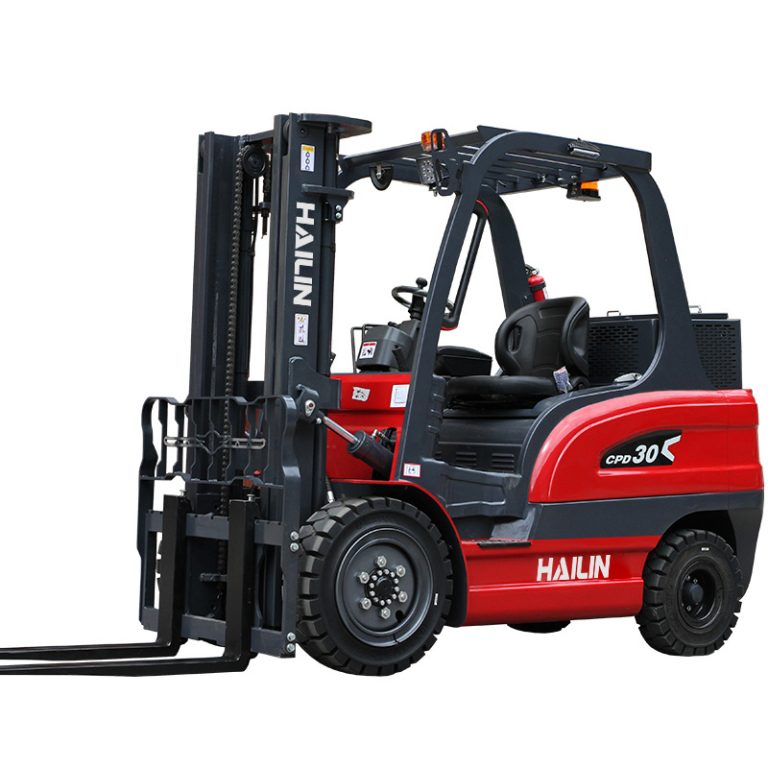
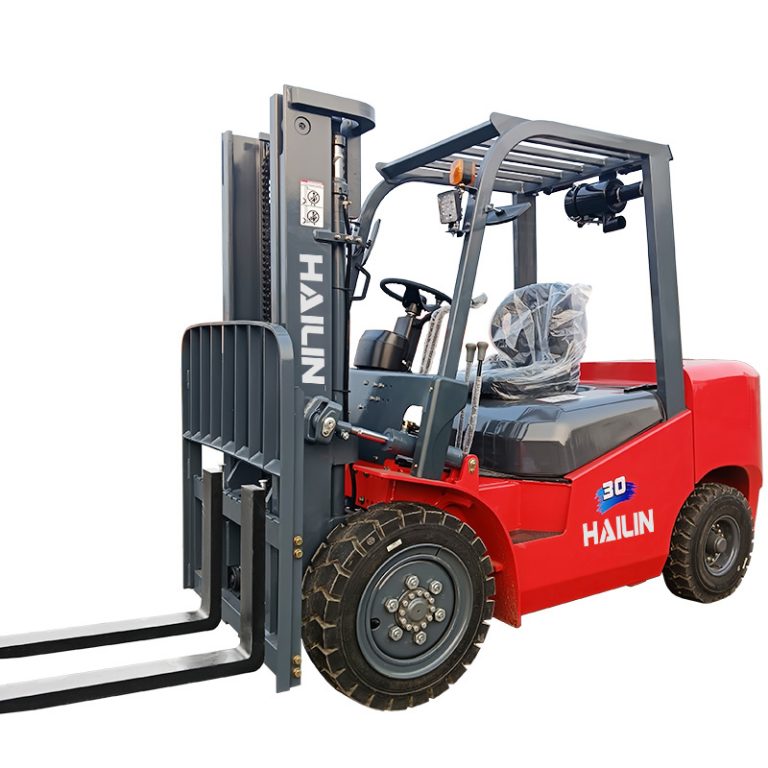
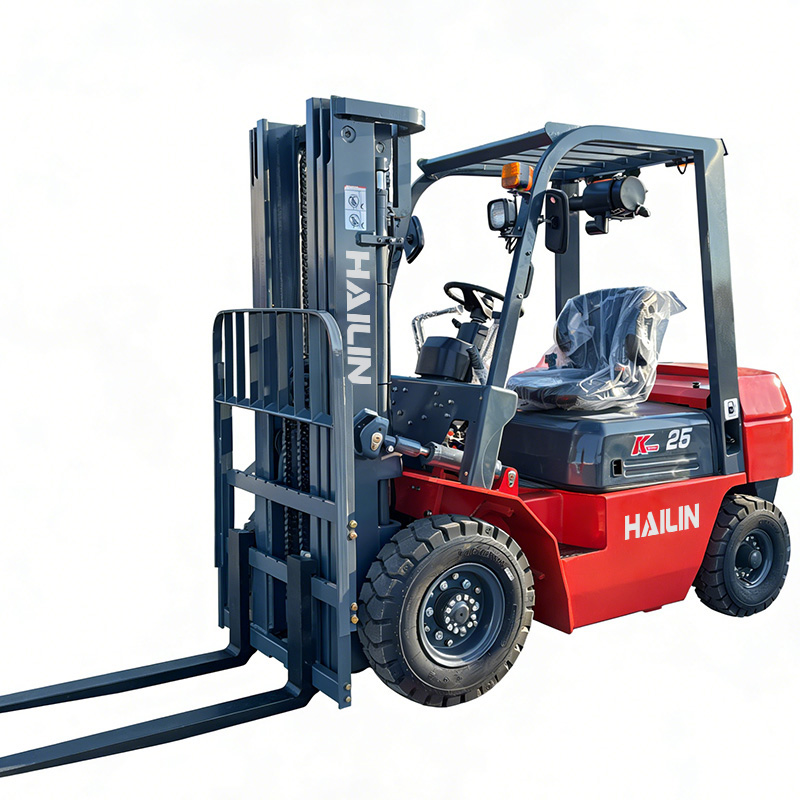
A forklift is a powerful industrial vehicle designed to lift, carry, and transport heavy materials over short distances. If you’ve ever walked into a warehouse or construction site and seen a compact machine effortlessly moving tons of goods, you’ve already witnessed a forklift in action. At its core, the machine uses two pronged “forks” attached to the front to slide under loads—usually pallets—and lift them using a hydraulic system.
Think of a forklift as the “muscle” of modern logistics. Instead of relying on human strength, which is limited and inefficient, businesses use forklifts to move massive loads safely and quickly. These machines are engineered to handle weight ranges from a few hundred kilograms to over 15 tons, depending on the model and configuration.
What makes forklifts truly fascinating is their balance system. The load at the front is counteracted by weight at the back, ensuring stability even when lifting heavy goods. This clever design allows operators to maneuver bulky materials in tight spaces like warehouses, factories, and shipping yards.
In simple terms, a forklift is not just a machine—it’s a productivity multiplier. Without it, modern supply chains would slow down dramatically, and industries would struggle to meet demand efficiently.
The History of Forklifts
Forklifts didn’t just appear overnight—they evolved alongside industrial growth. The earliest versions date back to the early 20th century, when factories began experimenting with mechanical lifting devices to improve efficiency. Initially, these machines were basic and lacked the safety and precision we see today.
The real breakthrough came during World War I and World War II. Industries needed faster ways to move heavy equipment and supplies, which accelerated the development of forklifts. By the 1920s and 1930s, companies began producing standardized models with hydraulic lifting systems and pallet-based handling.
As global trade expanded, forklifts became indispensable. Warehouses grew larger, supply chains became more complex, and the need for efficient material handling skyrocketed. Over time, forklifts evolved with better ergonomics, stronger engines, and advanced safety features.
Today, forklifts are smarter than ever. Many modern models include automation, sensors, and even AI-driven navigation systems. This evolution reflects how critical forklifts have become in shaping global commerce and industrial productivity.
Why Forklifts Are Essential Today
Growth of Logistics and Warehousing
The modern world runs on logistics, and forklifts are at the heart of it. With the explosion of e-commerce, warehouses have transformed into high-speed hubs where goods are constantly moving in and out. Without forklifts, managing this level of activity would be nearly impossible.
Recent data shows that the global forklift market reached USD 81.44 billion in 2025 and is projected to exceed USD 212 billion by 2033, driven largely by the growth of warehousing and online retail . That’s not just growth—it’s a massive shift in how industries operate.
Forklifts enable businesses to:
- Move goods faster
- Reduce labor costs
- Maximize storage space
- Improve operational efficiency
Imagine trying to run a large warehouse without forklifts—it would be like trying to run a marathon in slow motion.
Industrial Demand and Automation
Beyond warehouses, forklifts play a vital role in manufacturing, construction, and logistics industries. They are used to transport raw materials, load trucks, and support production lines. As industries push toward automation, forklifts are also evolving.
Electric and autonomous forklifts are becoming more common, helping companies reduce emissions and improve efficiency. The shift toward electric models is particularly strong, as businesses look for sustainable solutions.
This transformation shows that forklifts are no longer just tools—they’re becoming intelligent systems that integrate into smart factories and automated warehouses.
How a Forklift Works
Key Components of a Forklift
Understanding how a forklift works is easier when you break it down into its main components. Each part plays a critical role in lifting and moving heavy loads.
Mast and Forks
The mast is the vertical structure that raises and lowers the forks. It’s powered by hydraulic cylinders, allowing precise control over lifting height. The forks themselves are the arms that slide under loads, making it possible to lift pallets and other materials.
Counterweight and Engine
At the rear of the forklift, you’ll find a counterweight. This balances the load being lifted at the front, preventing the machine from tipping over. The engine—whether electric or fuel-powered—provides the energy needed to operate the forklift.
Hydraulic System
The hydraulic system is the heart of the lifting mechanism. It uses fluid pressure to raise and lower the forks smoothly. This system allows operators to handle heavy loads with minimal effort and maximum precision.
Together, these components create a machine that is both powerful and efficient, capable of handling demanding tasks in various environments.
Types of Forklifts
Electric Forklifts
Electric forklifts are becoming increasingly popular due to their eco-friendly design and low operating costs. They produce zero emissions, making them ideal for indoor use, especially in warehouses and food storage facilities.
They are quieter, require less maintenance, and offer excellent maneuverability. As sustainability becomes a priority, electric forklifts are leading the industry shift toward cleaner operations.
Diesel Forklifts
Diesel forklifts are known for their strength and durability. They are commonly used in outdoor environments where heavy lifting is required. These machines can handle rough terrain and large loads, making them ideal for construction and industrial applications.
LPG Forklifts
LPG (liquefied petroleum gas) forklifts offer a balance between electric and diesel models. They provide strong performance while producing fewer emissions than diesel forklifts. This makes them suitable for both indoor and outdoor use.
Rough Terrain Forklifts
These forklifts are designed for challenging environments like construction sites. They feature large tires and powerful engines, allowing them to operate on uneven ground.
Forklift Classifications
Forklifts are also categorized into classes based on their design and usage. These range from electric motor rider trucks to rough terrain forklifts. Each class is tailored for specific applications, ensuring optimal performance and safety.
Common Uses of Forklifts
Warehousing and Distribution
In warehouses, forklifts are used to move goods, stack pallets, and manage inventory. Their ability to operate in tight spaces makes them essential for maximizing storage efficiency.
Manufacturing Industry
Forklifts help transport raw materials and finished products within factories, ensuring smooth production processes.
Construction Sites
On construction sites, forklifts handle heavy materials like steel, bricks, and concrete, improving productivity and safety.
Advantages of Using Forklifts
Forklifts offer numerous benefits that make them indispensable in modern industries. They significantly increase efficiency by reducing the time required to move heavy loads. Instead of relying on manual labor, businesses can complete tasks faster and with greater accuracy.
They also improve workplace safety. By using forklifts, companies reduce the risk of injuries associated with lifting heavy objects. Additionally, forklifts help optimize space utilization, allowing warehouses to store more goods in less space.
Another major advantage is cost savings. While forklifts require an initial investment, they reduce long-term labor costs and improve overall productivity, making them a smart investment for businesses.
Safety Considerations
Operating a forklift requires proper training and safety measures. Accidents can occur if the machine is used incorrectly or if safety guidelines are ignored.
Operators must be trained to:
- Handle loads safely
- Maintain balance and stability
- Follow workplace safety protocols
Regular maintenance is also essential to ensure the forklift operates efficiently and safely.
Forklift Market Trends and Future
The forklift industry is evolving rapidly, driven by technological advancements and changing business needs. The rise of automation and electric vehicles is reshaping the market.
Electric forklifts now dominate the market due to their environmental benefits and lower operating costs . At the same time, autonomous forklifts are gaining traction, offering increased efficiency and reduced labor dependency.
The future of forklifts lies in smart technology. With AI, IoT, and automation, forklifts are becoming more intelligent, capable of navigating warehouses and optimizing operations without human intervention.
How to Choose the Right Forklift
Choosing the right forklift depends on several factors, including load capacity, operating environment, and budget. Businesses must consider whether they need an electric or fuel-powered model, as well as the type of terrain the forklift will operate on.
It’s also important to evaluate long-term costs, including maintenance and energy consumption. By selecting the right forklift, companies can improve efficiency and reduce operational costs.
A forklift is far more than just a lifting machine—it’s a cornerstone of modern industry. From warehouses to construction sites, forklifts enable businesses to move heavy materials efficiently and safely. As technology continues to evolve, forklifts are becoming smarter, greener, and more capable than ever before.
Understanding what a forklift is and how it works gives you insight into one of the most important tools in global logistics. Whether you’re running a warehouse or simply curious about industrial equipment, forklifts represent the perfect blend of power, precision, and innovation.
FAQs
1. What is the main purpose of a forklift?
A forklift is used to lift, carry, and transport heavy materials over short distances, mainly in warehouses and industrial settings.
2. What are the different types of forklifts?
Common types include electric, diesel, LPG, and rough terrain forklifts, each designed for specific environments and tasks.
3. Are electric forklifts better than diesel forklifts?
Electric forklifts are better for indoor use and sustainability, while diesel forklifts are more powerful for outdoor and heavy-duty tasks.
4. How much weight can a forklift lift?
Depending on the model, forklifts can lift anywhere from 1 ton to over 15 tons.
5. Why are forklifts important in warehouses?
They improve efficiency, reduce labor costs, and enable safe handling of heavy goods, making them essential for modern logistics.