

Introduction to Forklift Operation
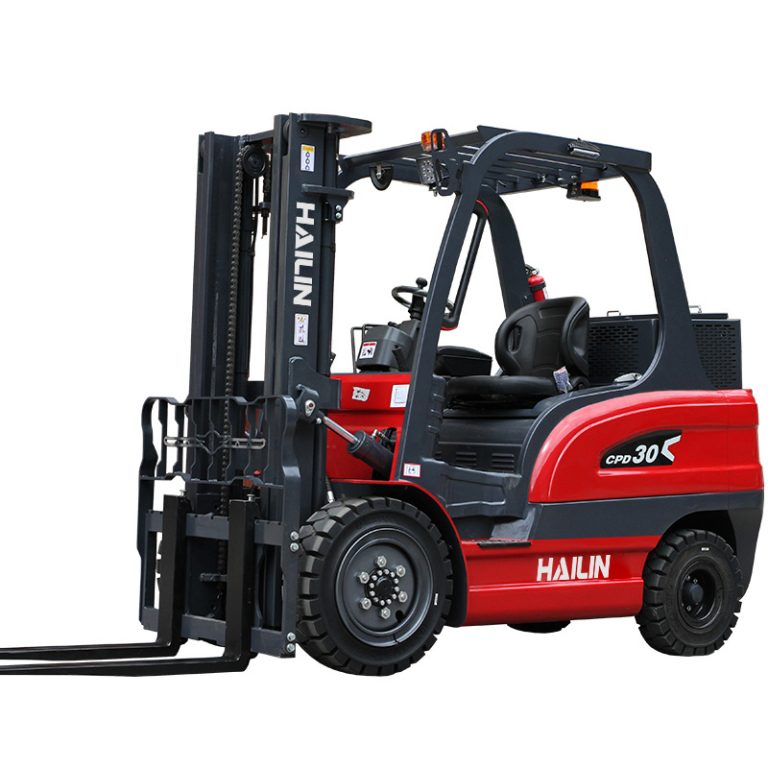
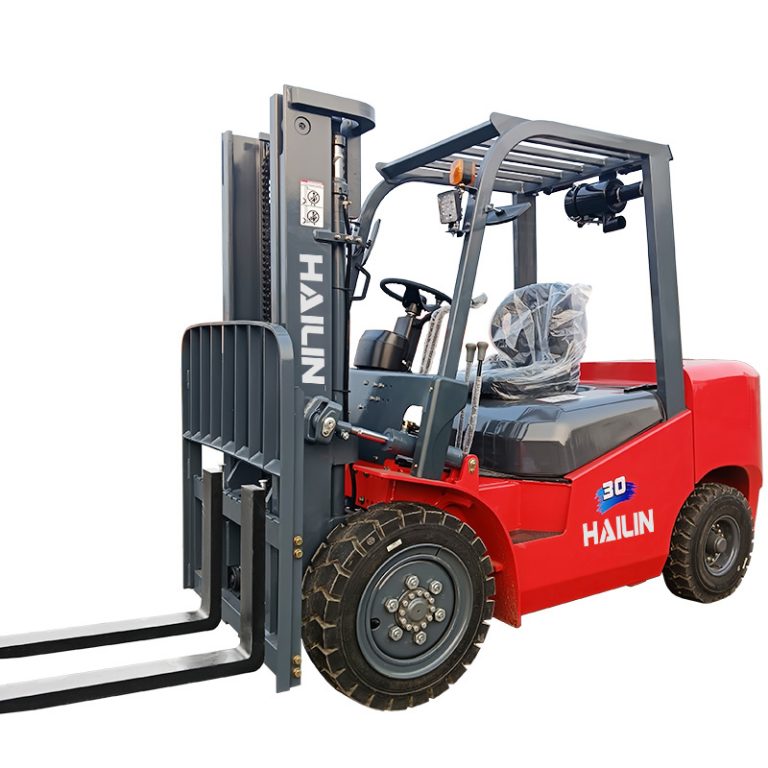
Learning how to drive a forklift is not just about moving heavy pallets from one place to another—it’s about control, precision, and safety awareness. In warehouses, construction sites, and logistics hubs, forklifts are essential machines that keep operations running smoothly. However, they are also powerful industrial vehicles that require proper training and discipline.
A forklift behaves very differently from a car. It has rear-wheel steering, heavy loads affecting balance, and a unique center of gravity that can easily shift. According to safety guidelines, improper operation is one of the leading causes of workplace accidents involving material-handling equipment.
Why Forklift Skills Matter in Modern Industry
In today’s fast-paced supply chain world, forklifts act like the “muscles” of a warehouse. Without them, lifting tons of materials would be impossible. But with that power comes responsibility. Operators must understand stability, load limits, and workplace awareness. One wrong move can lead to tip-overs, damaged goods, or serious injuries.
Understanding Forklift Types
Before learning how to drive, it’s important to know that not all forklifts are the same.
Counterbalance Forklifts
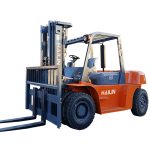
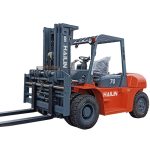
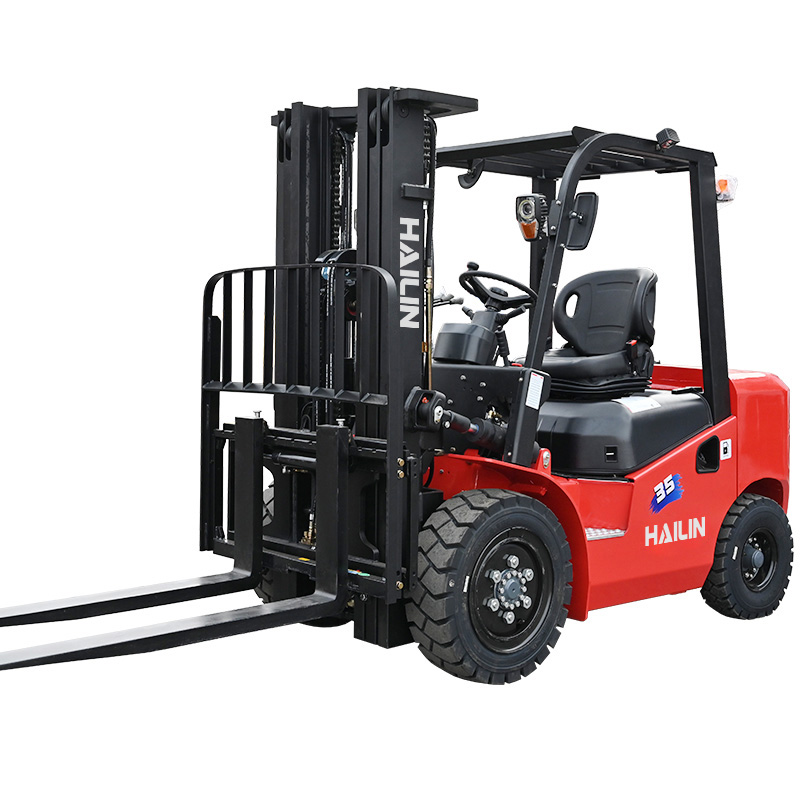
These are the most common forklifts used indoors. They have forks at the front and a heavy counterweight at the back to balance loads. They are ideal for warehouses and smooth surfaces.
Rough Terrain Forklifts
These are designed for outdoor use, such as construction sites. They have stronger tires, higher clearance, and better stability on uneven ground.
OSHA Rules and Legal Requirements
Forklift operation is regulated in many countries. In the U.S., OSHA sets strict rules for training and certification.
Certification Requirements
Only trained and certified operators are allowed to drive forklifts. Training includes classroom lessons, hands-on practice, and performance evaluation.
Operator Responsibilities
Operators must:
- Follow speed limits
- Inspect equipment before use
- Keep a clear view while driving
- Never carry unsafe loads
These rules exist because forklifts can cause severe accidents if misused.
Pre-Operation Safety Checks
Before starting a forklift, inspection is critical. Think of it like checking your car before a long trip.
Visual Inspection Checklist
Check for:
- Tire damage
- Fluid leaks
- Fork cracks
- Warning lights
Mechanical Testing Before Start
Once seated, test:
- Brakes
- Steering
- Horn
- Lift and tilt controls
If anything feels wrong, the forklift should not be used.
Getting Into the Forklift Safely
Proper Mounting Techniques
Always use the steps and hand grips. Never jump into the cabin. Maintain three points of contact—two hands and one foot or vice versa.
Seatbelt and Adjustments
Adjust your seat so you can reach all controls comfortably. Always wear a seatbelt—it protects you during sudden stops or tip-overs.
Basic Controls of a Forklift
Forklifts may look complicated, but their controls are logical once you understand them.
Steering Wheel and Pedals
Forklifts use rear-wheel steering, meaning the back swings wider than the front. Pedals control acceleration and braking.
Lift, Tilt, and Gear Controls
Levers control:
- Fork height (up/down)
- Mast tilt (forward/backward)
- Direction (forward/reverse)
Starting the Forklift
Insert the key or press the start button, depending on the model. Always ensure:
- Parking brake is engaged
- Forks are lowered
- Surrounding area is clear
Moving the Forklift
Forward Driving Techniques
Drive slowly, especially when carrying a load. Keep forks low (about 15–20 cm off the ground) for stability.
Reverse Driving Techniques
If your load blocks visibility, drive backward while looking over your shoulder or using mirrors.
Steering and Turning
Forklifts turn from the rear, which creates a “tail swing.”
Tail Swing Awareness
The back end swings in the opposite direction when turning. Always check surroundings before turning to avoid hitting people or objects.
Handling Loads
Lifting Pallets Safely
Approach the pallet straight, insert forks fully, and lift smoothly. Avoid jerky movements.
Load Stability Rules
- Keep heavy loads close to the ground
- Never exceed weight capacity
- Keep loads centered
Traveling Safely in Work Areas
Speed Control
Forklifts must always be operated at a speed that allows safe stopping.
Pedestrian Awareness
Always yield to pedestrians. Sound horn at blind corners and intersections.
Parking and Shutdown
Proper Parking Steps
- Lower forks completely
- Apply parking brake
- Shift to neutral
- Park in designated area
Turning Off Procedures
Turn off ignition and remove the key to prevent unauthorized use.
Common Forklift Mistakes
Many accidents happen due to simple errors:
- Driving too fast
- Carrying unstable loads
- Ignoring blind spots
- Not checking equipment
Avoiding these mistakes greatly improves workplace safety.
Expert Safety Tips
Experienced operators follow habits that keep them safe:
- Always expect pedestrians unexpectedly
- Slow down on wet floors
- Never turn with raised forks
- Keep both hands on controls
A forklift is stable only when the operator respects its limits.
Driving a forklift is a skill that combines awareness, precision, and discipline. It’s not just about moving materials—it’s about managing risk in a busy environment. With proper training, safety checks, and careful operation, forklifts become powerful tools that improve productivity while keeping workers safe.
FAQs
1. Do I need a license to drive a forklift?
Yes, most workplaces require OSHA-certified training before operating a forklift.
2. Is forklift driving hard to learn?
It is not difficult, but it requires practice and attention to safety rules.
3. How fast should a forklift be driven?
Always at a controlled speed that allows safe stopping, especially in busy areas.
4. Can forklifts be driven outdoors?
Yes, but only suitable models like rough terrain forklifts should be used.
5. What is the most important safety rule?
Always maintain load stability and never exceed the forklift’s rated capacity.