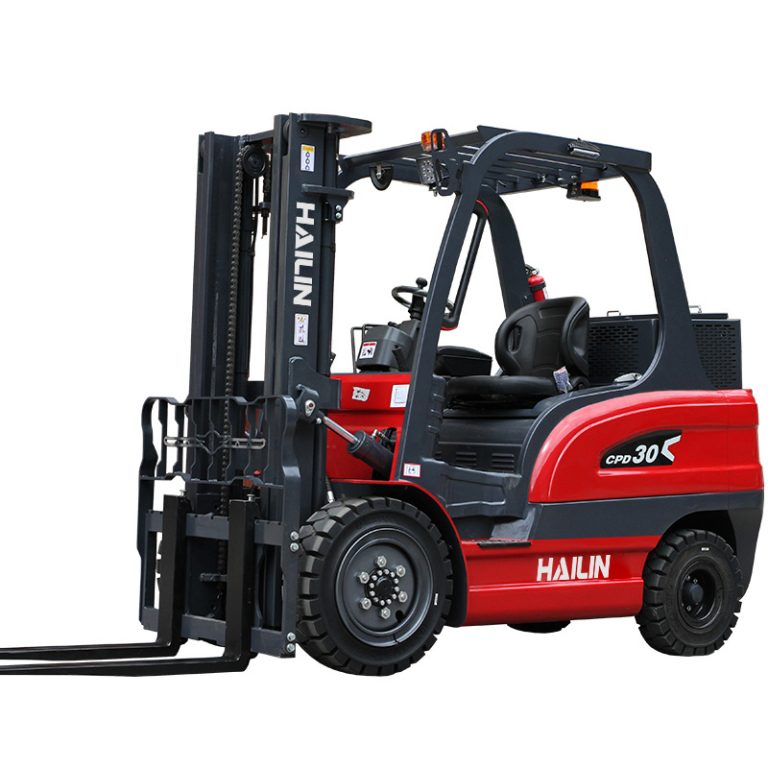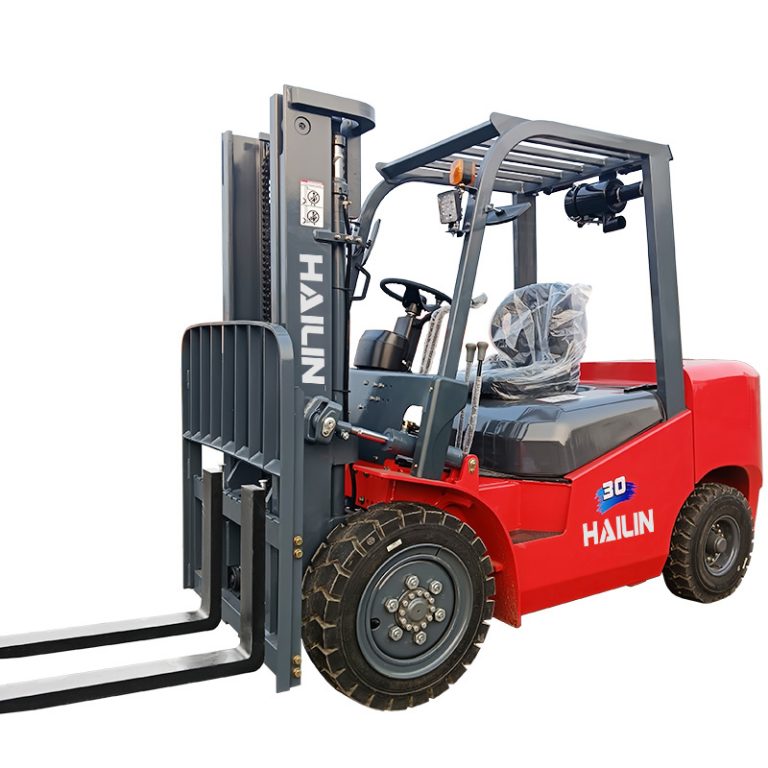


If you have ever walked through a warehouse, construction site, shipping yard, or manufacturing facility, you have probably seen several different kinds of forklifts moving materials around like giant mechanical ants carrying impossible loads. At first glance, many forklifts look similar. They all have forks, lifting systems, operator seats, and rugged tires. But once you dig deeper, you quickly realize forklifts are divided into multiple categories based on power source, tire type, application, and operating environment. According to the latest classification system used by the Occupational Safety and Health Administration (OSHA), there are 7 main classes of forklifts used in modern industry.
These classifications are not just random labels. They exist because operating a forklift indoors in a narrow warehouse aisle is completely different from driving a diesel-powered machine across rough construction terrain. Think about it like comparing a sports car to a tractor. Both are vehicles, but they are engineered for entirely different missions. Forklift classes help businesses choose the correct equipment while also ensuring operators receive proper training and certification. OSHA uses these classes to establish safety rules, training standards, and workplace regulations across industries.
Understanding forklift classes is incredibly important for warehouse managers, logistics companies, manufacturing facilities, and even small business owners. Choosing the wrong forklift can reduce productivity, damage goods, increase fuel costs, and create major safety hazards. Some forklifts are optimized for tight indoor maneuvering, while others are designed to survive mud, gravel, rain, and rugged outdoor conditions. In this guide, we will break down all 7 forklift classes in detail, explain how they differ, and help you understand which type works best for different applications.
Understanding Forklift Classifications
Forklift classifications were developed to create order and consistency in the material handling industry. Without a structured system, companies would struggle to train operators properly or determine which machine fits a particular task. OSHA recognizes seven classes of powered industrial trucks, each designed for unique operational environments and lifting requirements.
Why OSHA Created Forklift Classes
Imagine putting a Formula 1 race driver behind the wheel of a bulldozer. Even though both involve operating machinery, the skills required are dramatically different. Forklifts work the same way. A worker trained on an electric warehouse pallet jack cannot automatically operate a massive rough terrain forklift safely. That is why OSHA developed the forklift classification system — to separate machines by design, power source, tire configuration, and intended use.
The seven-class system also helps manufacturers standardize production and training procedures. Employers can easily identify which forklifts require indoor ventilation considerations, which are suitable for construction environments, and which are safest for narrow aisle warehouses. OSHA regulations also require forklift operators to receive training specific to the class of equipment they will use.
Workplace injuries involving forklifts remain a major concern globally. According to OSHA, forklifts contribute to thousands of workplace injuries annually, many caused by improper training or incorrect equipment selection. Forklift classifications simplify safety procedures and reduce confusion in busy industrial environments. In many ways, the system acts like a universal language for warehouses and logistics operations around the world.
How Forklift Classes Improve Workplace Safety
Safety is the heartbeat of forklift classification. Different forklift types have different centers of gravity, turning radiuses, braking systems, lifting capacities, and visibility limitations. A rough terrain forklift operating outdoors on uneven ground behaves entirely differently from a compact electric rider truck inside a clean warehouse.
Forklift classes also determine fuel safety requirements. Electric forklifts produce no emissions, making them ideal for food storage facilities, pharmaceuticals, and indoor warehouses. Diesel or LPG forklifts, on the other hand, produce exhaust fumes and are typically better suited for outdoor work or well-ventilated industrial spaces. OSHA classifications help employers prevent dangerous situations where the wrong equipment could create air quality problems or fire risks.
Training programs are another critical benefit. Operators learn machine-specific handling techniques, maintenance inspections, and hazard awareness based on forklift class. For example, a Class II narrow aisle truck operator needs specialized training for maneuvering in tight spaces, while a Class VII rough terrain forklift operator must understand stability on uneven surfaces. This targeted training dramatically improves workplace safety and operational efficiency.
The 7 Main Forklift Classes Explained
According to OSHA, there are exactly 7 forklift classes, each serving different industries and environments.
Class I – Electric Motor Rider Trucks
Class I forklifts are among the most common forklifts used in warehouses and distribution centers today. These machines are powered entirely by electricity and usually feature either three-wheel or four-wheel configurations. Operators sit or stand while driving the forklift, which makes them highly efficient for moving palletized loads indoors.
Common Uses and Benefits
One major reason businesses love Class I forklifts is their environmentally friendly operation. Since they produce zero emissions, they are ideal for indoor use in food warehouses, pharmaceutical facilities, retail distribution centers, and cold storage environments. Electric forklifts are also quieter than diesel forklifts, creating a calmer and safer workplace atmosphere.
Another huge advantage is lower operating cost. Electricity generally costs less than diesel or gasoline fuel over time, and electric forklifts have fewer moving engine components that require maintenance. Companies focusing on sustainability increasingly choose electric forklifts because they align with carbon reduction goals and green warehouse initiatives.
Modern electric forklifts have also become incredibly powerful. Many newer models can lift heavy loads while maintaining excellent maneuverability in confined warehouse spaces. Brands like HUAYA Forklift now offer advanced electric forklifts with lithium battery systems, fast charging technology, and smart control systems that improve productivity significantly.
Class II – Electric Motor Narrow Aisle Trucks
Class II forklifts are specially designed for narrow warehouse aisles where maximizing storage space is essential. These forklifts include reach trucks, order pickers, and side loaders that can operate in extremely tight spaces while still lifting loads to impressive heights.
Best Warehouse Applications
Imagine trying to drive a large pickup truck through a tiny alleyway. That is the challenge many warehouses face when storage density increases. Class II forklifts solve this problem by using compact designs and advanced steering systems that allow operators to maneuver efficiently through narrow aisles.
These forklifts are incredibly popular in e-commerce fulfillment centers where maximizing vertical storage space directly impacts profitability. Order pickers allow workers to retrieve products from high warehouse shelves quickly, while reach trucks extend their forks forward to access deep pallet racks.
Class II forklifts also help reduce warehouse footprint costs. Since aisles can be narrower, businesses can fit more inventory into the same building. In expensive industrial real estate markets, this can save companies millions of dollars over time.
Class III – Electric Motor Hand Trucks
Class III forklifts include electric pallet jacks and walkie stackers that operators either walk behind or ride on. These forklifts are typically used for short-distance transport of palletized materials.
Why They Are Popular in Retail and Logistics
If Class I forklifts are the heavyweight boxers of the warehouse world, Class III forklifts are the agile sprinters. They are lightweight, easy to operate, and extremely efficient for moving products around loading docks, retail stockrooms, and logistics hubs.
Retail businesses especially depend on Class III forklifts because they are compact enough to navigate crowded backrooms and delivery areas. Delivery trucks often use pallet jacks for fast unloading operations. Workers can quickly move heavy pallets without needing massive equipment or specialized warehouse infrastructure.
One major benefit is affordability. Class III forklifts cost significantly less than larger rider forklifts, making them ideal for small businesses. They also require less operator training and can improve productivity dramatically compared to manual pallet handling.
Class IV – Internal Combustion Forklifts with Cushion Tires
Class IV forklifts use internal combustion engines and cushion tires designed for smooth indoor surfaces. These forklifts typically run on diesel, gasoline, or LPG fuel systems.
Cushion tires provide excellent maneuverability on flat concrete floors, making these forklifts highly effective in manufacturing plants and indoor industrial environments. Unlike pneumatic tires, cushion tires have a smaller turning radius, allowing operators to move efficiently in confined spaces.
Class IV forklifts are often preferred for heavy-duty indoor lifting operations because they provide strong lifting power and long operational runtimes without battery charging interruptions. Industries like steel manufacturing, paper production, and machinery handling commonly rely on these forklifts for demanding material handling tasks.
The downside is ventilation requirements. Since internal combustion engines produce emissions, businesses must ensure proper airflow indoors to protect workers from exhaust exposure. That is one reason electric forklifts continue gaining popularity in modern warehouses.
Class V – Internal Combustion Forklifts with Pneumatic Tires
Class V forklifts are essentially the outdoor warriors of the forklift world. These forklifts use pneumatic tires similar to truck tires, allowing them to handle uneven outdoor surfaces effectively.
These forklifts are extremely common in lumber yards, construction supply facilities, ports, shipping terminals, and outdoor warehouses. Pneumatic tires absorb shock better than cushion tires, providing smoother operation on rough surfaces like gravel or asphalt.
Class V forklifts are known for their durability and lifting power. Many diesel-powered models can handle extremely heavy loads continuously for long shifts. Businesses working outdoors often prefer diesel forklifts because they deliver strong torque and reliable performance in harsh conditions.
For example, construction companies moving concrete blocks, steel beams, or wooden pallets across uneven terrain rely heavily on Class V forklifts. Their rugged construction makes them ideal for demanding industrial applications where electric forklifts may struggle.
Class VI – Electric and Internal Combustion Engine Tractors
Class VI forklifts are towing tractors rather than traditional lifting forklifts. Instead of raising pallets vertically, these machines pull carts, trailers, or material carriers through industrial facilities.
These tractors are commonly found in airports, automotive factories, assembly plants, and large manufacturing operations. Think of them like industrial locomotives quietly pulling material trains through a factory ecosystem.
One huge advantage is operational efficiency. Instead of workers manually transporting components between production stations, Class VI tractors streamline internal logistics and reduce labor costs. Automotive factories especially depend on tow tractors for just-in-time manufacturing systems.
Electric versions are popular indoors because they are quiet and emission-free, while internal combustion models provide additional power for outdoor towing applications.
Class VII – Rough Terrain Forklift Trucks
Class VII forklifts are designed specifically for outdoor use on rough, uneven terrain. These are the giants of the forklift industry and are commonly used in construction, agriculture, lumber, and mining operations.
Construction and Outdoor Industry Uses
Imagine trying to drive a regular warehouse forklift across mud, rocks, and steep slopes. It would probably get stuck within minutes. Class VII forklifts are engineered specifically to survive these environments. They use massive pneumatic tires, reinforced frames, and powerful diesel engines to navigate rugged terrain safely.
Some rough terrain forklifts feature telescopic booms, often called telehandlers, which allow operators to extend loads vertically and horizontally. This makes them incredibly useful on construction sites where materials must be lifted to elevated work areas.
Agricultural businesses also rely heavily on rough terrain forklifts for handling hay bales, fertilizer pallets, and heavy farming equipment. Lumber yards use them to transport timber across outdoor storage areas regardless of weather conditions.
According to OSHA, rough terrain forklifts remain part of the powered industrial truck classification system despite their similarities to construction machinery.
Forklift Class Comparison Table
| Forklift Class | Power Source | Tire Type | Best Environment | Common Applications |
|---|---|---|---|---|
| Class I | Electric | Cushion/Pneumatic | Indoor | Warehouses |
| Class II | Electric | Cushion | Narrow aisles | Distribution centers |
| Class III | Electric | Cushion | Indoor | Retail and logistics |
| Class IV | Diesel/LPG/Gas | Cushion | Smooth indoor floors | Manufacturing |
| Class V | Diesel/LPG/Gas | Pneumatic | Outdoor | Construction supply |
| Class VI | Electric/IC | Various | Indoor & outdoor | Towing operations |
| Class VII | Diesel | Large pneumatic | Rough terrain | Construction sites |
Choosing the Right Forklift Class for Your Business
Selecting the correct forklift class is like choosing the right tool from a toolbox. Using the wrong one can create frustration, inefficiency, and safety risks.
Indoor vs Outdoor Operations
The first question businesses should ask is simple: where will the forklift operate most often? Indoor warehouses generally benefit from electric forklifts because they are quieter, cleaner, and easier to maneuver. Outdoor environments usually demand diesel or pneumatic-tire forklifts capable of handling uneven terrain.
Warehouse layout also matters significantly. Narrow aisles require specialized equipment like Class II reach trucks. Larger open facilities may operate more efficiently with Class I rider forklifts or Class IV internal combustion machines.
Temperature conditions can also influence forklift selection. Cold storage facilities often use electric forklifts because combustion engines struggle in extremely cold environments and produce emissions that can impact air quality.
Load Capacity and Terrain Considerations
Every forklift has a maximum lifting capacity, and choosing a forklift with insufficient capacity can be dangerous. Heavy industrial operations require robust forklifts with strong stability systems and reinforced frames.
Terrain also plays a major role. Smooth concrete floors allow cushion-tire forklifts to operate efficiently, while gravel or dirt surfaces demand pneumatic tires and enhanced suspension systems.
Businesses should also think long term. Investing in a forklift that supports future expansion can save significant replacement costs later. Many companies now prioritize flexible forklift fleets capable of adapting to changing warehouse operations and e-commerce growth.
Electric vs Diesel Forklift Classes
The battle between electric and diesel forklifts is one of the biggest discussions in the material handling industry today. Electric forklifts are rapidly gaining popularity because of environmental regulations, lower maintenance costs, and improved battery technology.
Diesel forklifts still dominate heavy outdoor applications because they provide exceptional torque and long operating hours without charging downtime. Construction, mining, and lumber industries continue relying heavily on diesel-powered forklifts for demanding workloads.
Electric forklifts, however, are evolving rapidly. Lithium-ion batteries now provide faster charging, longer lifespan, and higher efficiency than traditional lead-acid systems. Many warehouses are transitioning toward fully electric forklift fleets to reduce carbon emissions and operational costs.
Companies like HAILIN Forklift continue expanding electric forklift product lines because demand for sustainable material handling equipment keeps rising globally.
OSHA Forklift Certification Requirements
OSHA requires forklift operators to receive proper training and evaluation before operating powered industrial trucks. Training must match the specific forklift class being used.
Forklift certification usually includes:
- Classroom instruction
- Practical driving training
- Safety evaluations
- Equipment inspection procedures
- Load handling techniques
Employers must also evaluate forklift operators at least every three years or sooner if unsafe operation occurs. Many businesses now use online learning combined with hands-on training to improve efficiency.
Certification is not just about compliance. Proper training reduces accidents, protects workers, and improves operational productivity. A skilled forklift operator can significantly reduce product damage and warehouse downtime.
Common Mistakes Businesses Make When Choosing Forklifts
One of the biggest mistakes businesses make is focusing only on purchase price. A cheaper forklift may ultimately cost far more through maintenance, downtime, fuel consumption, or productivity limitations.
Another common mistake is underestimating warehouse layout requirements. Large forklifts operating in narrow spaces can reduce efficiency and increase accident risk dramatically.
Ignoring future scalability is another issue. Businesses experiencing rapid growth often outgrow their forklift fleets quickly. Choosing adaptable equipment with flexible lifting capabilities can prevent expensive fleet replacements later.
Poor operator training also remains a widespread problem. Even the best forklift becomes dangerous in untrained hands. Businesses should prioritize ongoing safety education and operator evaluation programs.
The Future of Forklift Technology
The forklift industry is changing rapidly thanks to automation, artificial intelligence, and sustainability trends. Autonomous forklifts are already appearing in advanced warehouses, using sensors and navigation systems to transport materials without human drivers.
Electric forklifts will likely dominate the future as battery technology improves further. Governments worldwide are pushing industries toward lower emissions and greener logistics operations.
Smart forklifts equipped with IoT systems can now monitor battery health, maintenance schedules, operator behavior, and warehouse efficiency in real time. This technology helps businesses reduce downtime while improving safety and productivity.
Telematics systems are also transforming fleet management. Warehouse managers can track forklift usage, optimize routes, and monitor equipment performance remotely. In many ways, forklifts are evolving from simple lifting machines into intelligent logistics platforms.
There are 7 official forklift classes recognized by OSHA, and each class serves a specific purpose in the material handling world. From compact electric pallet jacks to massive rough terrain telehandlers, forklift classifications help businesses select the right equipment while maintaining workplace safety and operational efficiency.
Understanding these classes is more important than ever as warehouses become more automated, supply chains grow increasingly complex, and environmental regulations continue tightening worldwide. The right forklift can improve productivity, lower operational costs, reduce accidents, and support long-term business growth.
Whether you operate a small warehouse, a manufacturing plant, a retail distribution center, or a construction company, choosing the correct forklift class is like selecting the right teammate for the job. When the equipment matches the environment perfectly, everything moves smoother, safer, and faster.
FAQs
1. How many forklift classes are recognized by OSHA?
OSHA officially recognizes 7 forklift classes, ranging from electric rider trucks to rough terrain forklifts.
2. What is the most common forklift class?
Class I electric rider forklifts are among the most common forklifts used in warehouses and distribution centers today.
3. Which forklift class is best for outdoor use?
Class V and Class VII forklifts are typically best for outdoor environments because they use pneumatic tires and rugged designs.
4. Do forklift operators need certification for every class?
Yes. OSHA requires operators to receive training specific to the forklift class they operate.
5. Are electric forklifts replacing diesel forklifts?
Electric forklifts are growing rapidly in popularity, especially indoors, but diesel forklifts still dominate heavy-duty outdoor industries like construction and mining.