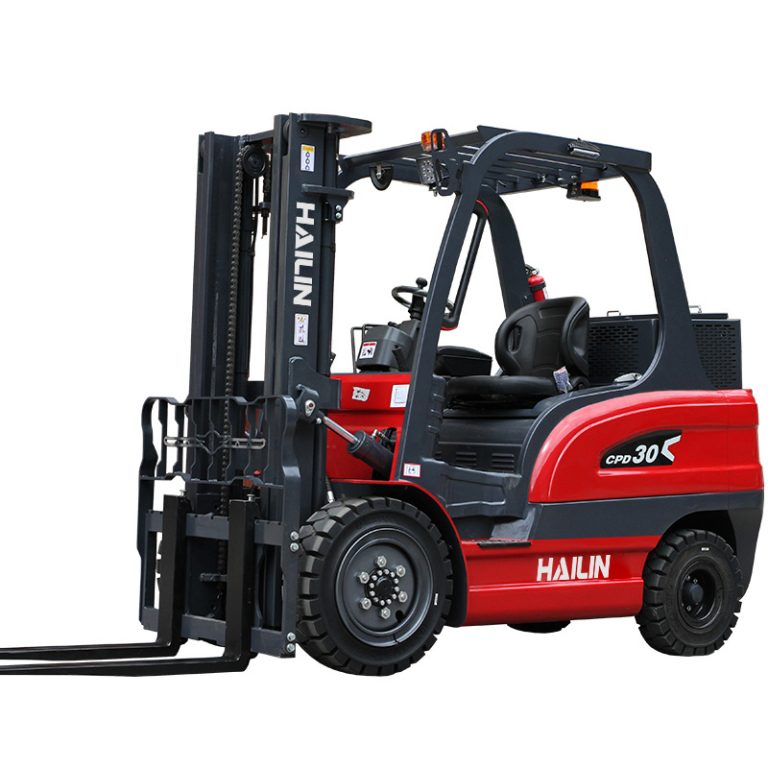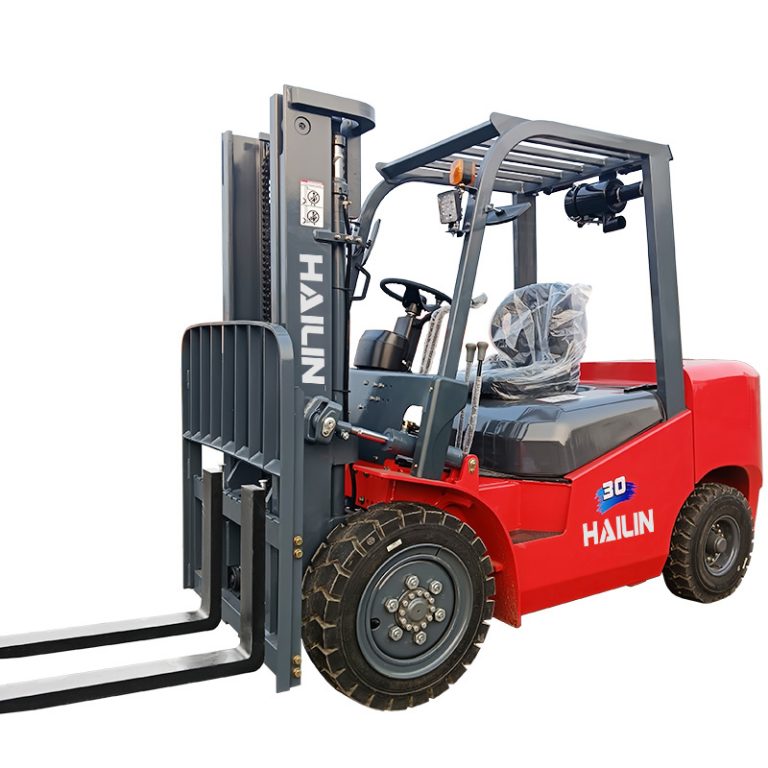


Forklifts may look simple from the outside, but underneath the steel frame and hydraulic mast lies a surprisingly delicate balancing act. One small mistake with weight distribution can transform a stable machine into a dangerous tipping hazard within seconds. That is why understanding the fulcrum of a forklift is one of the most important concepts in forklift safety, operation, and maintenance. Whether you are a warehouse manager, forklift operator, construction contractor, or someone researching industrial equipment, knowing where the fulcrum is located can literally prevent accidents and save lives.
According to OSHA, forklift stability depends heavily on the relationship between the machine’s center of gravity, the load center, and the truck’s tipping axis. In simple terms, the forklift acts like a giant seesaw. The load on the forks pushes downward on one side, while the counterweight at the rear balances the other side. Right in the middle of this balancing equation sits the fulcrum. If the balance shifts too far forward or sideways, the forklift tips over.
Modern warehouses are moving more goods than ever before. E-commerce growth, global logistics expansion, and high-density storage systems mean forklifts are constantly operating under pressure. Operators often rush through narrow aisles, lift awkward loads, or work on uneven surfaces. Under those conditions, understanding the fulcrum is not just a theoretical lesson from forklift training—it becomes practical survival knowledge. Think of it like walking on a tightrope. As long as your center of balance stays aligned, everything feels controlled. Move too far in one direction, and gravity immediately takes over.
Understanding the Basics of Forklift Stability
Why Stability Matters in Material Handling
Forklift accidents continue to be a major safety concern in warehouses and industrial facilities around the world. OSHA reports that tip-over incidents are among the leading causes of serious forklift injuries and fatalities. Many of these accidents happen because operators misunderstand how forklift balance works. They assume a forklift can safely lift anything within the rated capacity without considering load dimensions, elevation, or driving conditions.
A forklift is fundamentally different from a standard vehicle. A car distributes weight relatively evenly across four wheels, but a forklift concentrates much of its operational weight toward the front axle. The moment a load is raised, the machine’s balance shifts dramatically. This means stability is constantly changing during operation. A forklift that feels perfectly stable while stationary may suddenly become unstable while turning or braking.
The concept becomes easier to understand if you picture a playground seesaw. If two children of equal weight sit at opposite ends, the seesaw remains balanced. But if one child moves farther away from the center pivot point, balance changes immediately. Forklifts behave the same way. The farther the load moves from the fulcrum, the greater the tipping force becomes. This is why long pallets, oversized cargo, or improperly centered loads create serious risks even when the total weight seems acceptable.
The Physics Behind Forklift Balance
Forklift balance revolves around three critical concepts:
| Concept | Meaning | Importance |
|---|---|---|
| Fulcrum | The pivot point where tipping occurs | Determines stability |
| Center of Gravity | The balance point of combined truck and load | Must stay within limits |
| Load Center | Distance from forks to load center of gravity | Affects lifting capacity |
The physics involved is called moment force or torque. OSHA defines moment as the product of weight multiplied by distance from the fulcrum. This means a lighter load positioned farther forward can sometimes create more tipping force than a heavier load positioned correctly. That surprises many new operators.
For example, imagine lifting a compact pallet weighing 2,000 pounds positioned close to the mast. Now compare that with a long steel beam weighing the same amount but extending much farther outward. The steel beam creates a greater forward moment because its center of gravity sits farther from the fulcrum. That increased leverage pulls the forklift toward instability.
What Is the Fulcrum on a Forklift?
The Definition of a Fulcrum
In general physics, a fulcrum is the pivot point around which a lever rotates. On a forklift, the fulcrum represents the axis where the machine would tip forward if balance is lost. OSHA specifically describes the fulcrum as the truck’s axis of rotation during a tip-over event.
Think of the forklift as a giant lever system. The load on the forks pushes downward in front, while the counterweight at the rear pushes downward behind the pivot point. The fulcrum separates these opposing forces. If the front force becomes too great, the forklift pivots around the fulcrum and tips forward.
This concept explains why forklifts use heavy counterweights. Those massive rear sections are not just for protecting the engine or battery compartment. They are carefully engineered to counterbalance lifting forces and maintain equilibrium. Without sufficient rear weight, even moderate loads would pull the machine forward instantly.
Where the Fulcrum Is Located on a Forklift
The fulcrum of a forklift is generally located at the front axle or the line connecting the front wheels. This location becomes the pivot point whenever the forklift experiences forward tipping forces.
Here is the key idea:
Moment=Force×Distance
The farther the load extends beyond the front axle, the larger the forward tipping moment becomes. Operators often misunderstand this because the forks themselves extend outward. They assume the fulcrum is located at the tips of the forks, but that is incorrect. The actual balancing point sits much closer to the forklift body.
When OSHA diagrams forklift stability, the front wheels form the base line of the stability triangle. That front wheel line acts as the effective tipping axis. Once the combined center of gravity moves beyond it, gravity takes over and the forklift rotates forward.
How the Fulcrum Affects Forklift Operation
Relationship Between Load and Fulcrum
Every forklift has a rated lifting capacity, but that capacity assumes a specific load center. Most standard forklifts are rated using a 24-inch load center. This means the center of gravity of the load must remain within 24 inches from the fork face.
When the load extends farther outward, leverage increases dramatically. The relationship is not merely about weight—it is about distance from the fulcrum. A long, awkward load can destabilize a forklift even if it weighs less than the truck’s official rating.
Imagine holding a dumbbell close to your chest. It feels manageable. Now extend your arm fully outward while holding the same weight. Suddenly the strain increases enormously. The weight did not change, but the leverage did. Forklifts experience the same physics every day in warehouses and construction sites.
This is why operators should always check:
- Load dimensions
- Load center distance
- Fork positioning
- Attachment weight
- Mast tilt angle
Even a small mistake in these areas can shift the center of gravity beyond safe limits.
How Tipping Happens
Forklift tipping usually occurs when the combined center of gravity moves outside the stability triangle. OSHA explains that as long as the center of gravity stays inside this triangle, the forklift remains stable.
The most common causes include:
| Cause | Effect on Stability |
|---|---|
| Overloading | Moves center of gravity forward |
| Sharp turning | Shifts weight sideways |
| Raised loads | Raises center of gravity |
| Sudden braking | Creates forward momentum |
| Uneven terrain | Tilts stability triangle |
Many operators underestimate how quickly momentum changes balance. A forklift carrying a safe load while stationary may become unstable during a fast turn because centrifugal force shifts the center of gravity sideways. Reddit discussions among safety professionals often joke about “obeying the stability triangle,” but the underlying principle is deadly serious.
Understanding the Stability Triangle
What Is the Stability Triangle?
The stability triangle is one of the most important safety concepts in forklift operation. It is formed by connecting three support points:
- Left front wheel
- Right front wheel
- Rear axle pivot point
As long as the forklift’s combined center of gravity remains inside this triangle, the machine stays upright. Once it moves outside the triangle, tipping occurs.
The triangle exists because forklifts effectively operate as three-point suspension systems, even when they physically have four wheels. The rear axle pivots at the center, creating a dynamic balance structure. This design improves maneuverability but also increases the importance of proper weight management.
Center of Gravity and Balance
The center of gravity changes constantly during forklift operation. When unloaded, the forklift’s center of gravity sits near the rear due to the counterweight. Once a load is added, the combined center shifts forward.
Here is a simplified representation:
CGcombined=Wf+Wl(Wf×df)+(Wl×dl)
This constant movement explains why forklift operation requires continuous awareness. Every turn, acceleration, mast tilt, or lifting motion affects balance.
Dynamic vs Static Stability
Static stability refers to a forklift sitting still on level ground. Dynamic stability involves movement. Dynamic conditions are far more dangerous because momentum introduces additional forces.
A forklift traveling with a raised load experiences:
- Increased center of gravity height
- Reduced stability margins
- Greater side tipping risk
- Stronger momentum shifts during turns
This is why experienced operators keep loads low during travel. It minimizes leverage and keeps the center of gravity safely within the triangle.
Forklift Load Center Explained
Why Load Center Distance Matters
Load center is often misunderstood by new forklift operators. It refers to the horizontal distance between the face of the forks and the load’s center of gravity.
Most forklifts are rated at a 24-inch load center:
Load Capacity∝Load Center Distance1
As the load center increases, lifting capacity decreases. That relationship is crucial for safe operation.
For example:
| Load Center | Effective Capacity |
|---|---|
| 24 inches | 100% rated capacity |
| 30 inches | Reduced capacity |
| 36 inches | Significantly reduced |
| 48 inches | Dangerous instability |
Operators sometimes focus only on total weight while ignoring load dimensions. That is a serious mistake. Long loads can become unstable very quickly.
Standard 24-Inch Load Centers
OSHA notes that many forklifts are designed around standard pallet dimensions with evenly distributed weight. Real-world loads rarely behave so perfectly.
Construction materials, steel pipes, machinery parts, and irregular cargo often create off-center loading conditions. In those cases, operators must compensate carefully with slower movement, lower lift heights, and better positioning.
Common Mistakes That Shift the Fulcrum Dangerously
Overloading the Forklift
Overloading is one of the fastest ways to destabilize a forklift. Once the load moment exceeds the counterweight moment, the forklift pivots around the front axle fulcrum and tips forward.
Operators sometimes assume a forklift can “handle it just this once.” Unfortunately, physics does not negotiate.
Driving With Raised Forks
Driving with elevated forks raises the center of gravity and increases instability. Even small bumps or sudden turns become dangerous under these conditions.
Experienced operators know that low travel height equals higher stability. It is one of the simplest yet most effective safety habits.
Turning Too Fast
Turning quickly introduces centrifugal force, shifting the center of gravity sideways. This can push the balance point outside the stability triangle even when the load weight is acceptable.
That is why warehouse safety programs constantly emphasize slow cornering speeds.
Forklift Safety Tips Related to the Fulcrum
Proper Load Positioning
Safe forklift operation begins with proper loading practices. Operators should always:
- Center loads evenly
- Keep loads close to the mast
- Avoid oversized unstable pallets
- Verify capacity charts
- Tilt the mast slightly backward during transport
These habits minimize forward leverage and reduce tipping risk.
Safe Driving Practices
Driving technique matters just as much as loading technique. Safe operators:
- Travel slowly
- Avoid sudden braking
- Keep loads low
- Use caution on ramps
- Turn gradually
Forklift stability is not static. It changes every second during movement.
Comparing Electric and Diesel Forklift Stability
Electric forklifts and diesel forklifts handle stability differently because of weight distribution. Electric forklifts often carry heavy batteries low within the chassis, improving center-of-gravity positioning. Diesel forklifts rely more heavily on rear counterweights.
| Forklift Type | Stability Characteristics |
|---|---|
| Electric Forklift | Lower center of gravity |
| Diesel Forklift | Strong outdoor performance |
| Rough Terrain Forklift | Wider stance for uneven surfaces |
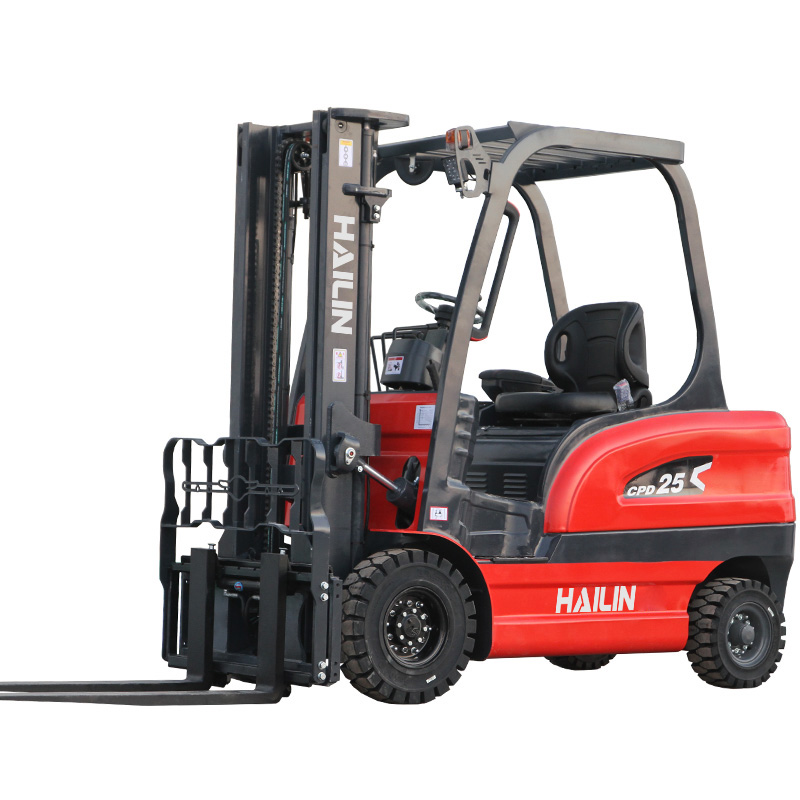
Brands like HAILIN Forklift design different forklift configurations depending on industry requirements, terrain conditions, and lifting capacities.
Why Forklift Operators Must Understand the Fulcrum
Understanding the fulcrum transforms forklift operation from guesswork into controlled physics. Skilled operators develop an intuitive sense of balance. They understand how load placement, mast angle, travel speed, and turning radius interact together.
This knowledge improves:
- Workplace safety
- Equipment lifespan
- Operational efficiency
- Operator confidence
- OSHA compliance
Forklift training is not just about learning controls. It is about learning how invisible forces behave under real-world conditions.
The fulcrum of a forklift is located at the front axle area, acting as the pivot point around which the forklift can tip forward. Understanding this concept is essential because every load, turn, and lifting movement affects the balance of the machine. The relationship between the fulcrum, center of gravity, and stability triangle determines whether a forklift remains safe or becomes a serious hazard.
Modern material handling environments demand more precision than ever before. Warehouses move faster, loads grow heavier, and storage systems become denser every year. Under these conditions, forklift operators cannot rely on instinct alone. They need a clear understanding of the physics behind stability. Once operators understand how the fulcrum works, they make smarter decisions about load placement, travel speed, turning radius, and lifting height.
Forklift safety ultimately comes down to respecting balance. The machine may appear powerful and rugged, but it still obeys the same laws of physics as a playground seesaw. Keep the center of gravity inside the stability triangle, manage load centers correctly, and operate smoothly. Those principles are the foundation of safe and efficient forklift operation.
FAQs
1. What is the fulcrum point on a forklift?
The fulcrum point on a forklift is generally located at the front axle or the line between the front wheels. It acts as the pivot point during forward tipping.
2. Why is the forklift fulcrum important?
The fulcrum determines how the forklift balances loads. If the load moment exceeds the counterweight moment around the fulcrum, the forklift can tip over.
3. Does the fulcrum move on a forklift?
The physical fulcrum location usually stays at the front axle, but the combined center of gravity constantly shifts depending on load position and movement.
4. What causes a forklift to tip forward?
Common causes include overloading, extended load centers, sudden braking, and carrying loads too far forward from the fulcrum.
5. How can forklift operators maintain stability?
Operators can maintain stability by keeping loads low, centered, within rated capacity, and by driving slowly and smoothly.